The best things to do in Pisac
Pisac is no longer just a stop in the Sacred Valley; it has become a destination in itself. Its diversity of natural and cultural attractions, along with the traditional atmosphere it emanates, makes it an ideal place to explore and spend peaceful days on your trip to Cusco. Pisac is located one hour from Cusco. During the Inca period, it was an important control point that guarded the Valley leading to the sacred city of Machu Picchu. Today, it is a town full of culture that is ready to surprise you. Discover each of its top attractions.
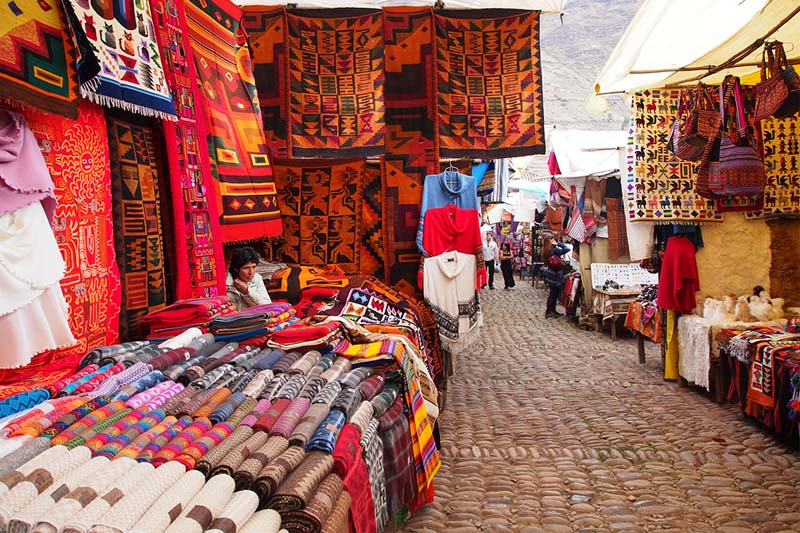
Traditional Pisac Market
Why visit Pisac?
Pisac is the town that welcomes you to the Sacred Valley. It is a region with a privileged geography, dominated by large mountains, snow-capped peaks, rivers, agricultural fields, archaeological constructions, and significant examples of living culture.
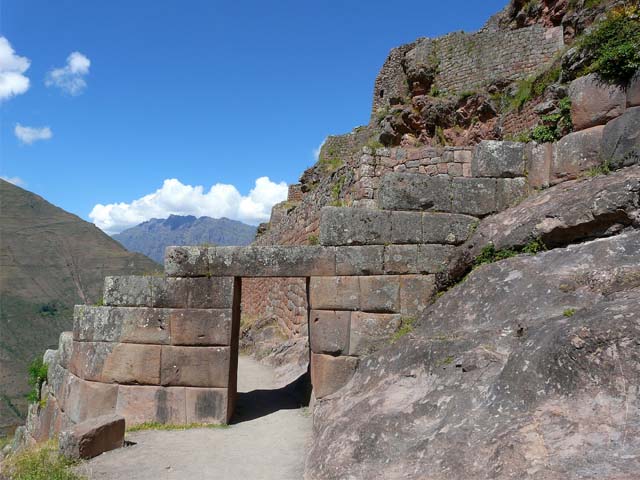
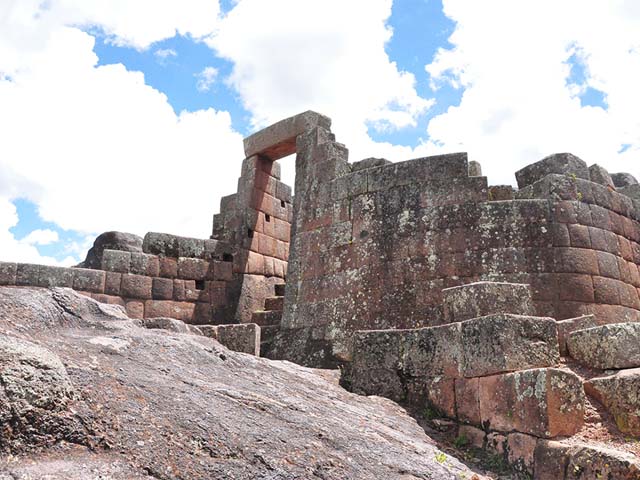
Its main attraction is the Pisac Archaeological Site, located at the top of a huge mountain behind the town. Since Inca times, this place held great importance, not only for being one of the most fertile agricultural areas but also for being the site of a religious and astronomical center that also had a strategic military position.
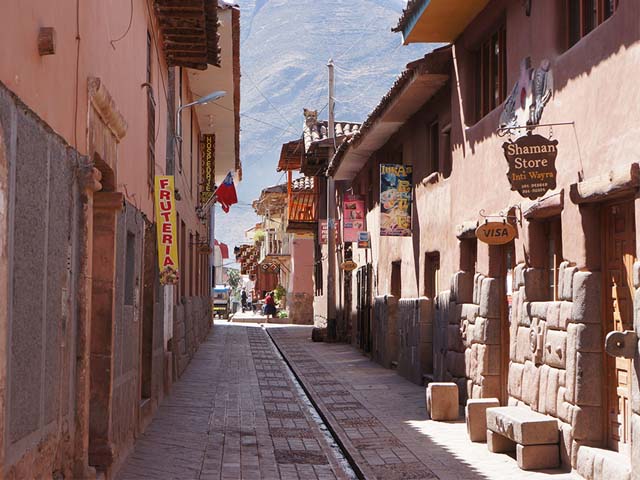
Today, its streets are lined with Inca foundations, adobe buildings, and colonial structures. The main route through the town can be walked along its cobbled streets, where you can always enjoy beautiful views of the mountains that stretch across the Sacred Valley.
The town of Pisac is less than an hour from the center of Cusco, approximately 32 kilometers away.
How to get to Pisac?
The easiest way to travel to the town of Pisac is to take one of the tourist buses that depart from Puputi Street, which is only a 20-minute walk from the Plaza de Armas. The average cost of the service is 7 soles (approximately 2 dollars). Another alternative is to book a Sacred Valley tour, although in this experience, Pisac is just one stop on the route.
Things to do in Pisac
The small streets of the sunny town of Pisac are filled with old mansions and craft shops. It has an exceptional market and some of the most amazing buildings built by the Incas; the hospitality of the townspeople and those foreigners who are no longer foreigners will offer you one of the best experiential experiences in the Sacred Valley of the Incas. Discover each of its main tourist attractions:
The Pisac Archaeological Site
- National Geographic refers to the Pisac Archaeological Site as the Inca constructions you must not miss after Machu Picchu, making this destination an almost essential stop if you’re traveling to Cusco.
- To ascend to the Pisac Inca citadel, you must take collective transport that departs from the town. The journey takes approximately 15 minutes.
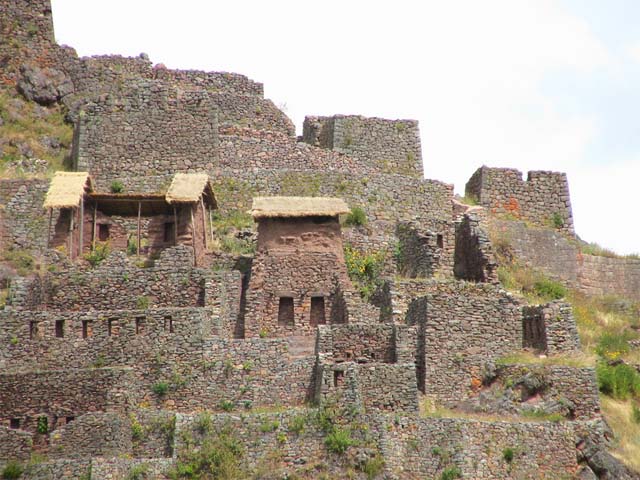
- On the tour through its constructions, the enormous agricultural terraces stand out, along with panoramic views of the entire biodiversity of the Sacred Valley.
- You will also see Inca residences, temples, astronomical observatories, ancient cemeteries, and mystical structures, such as the famous Intihuatana.
- The full tour can take more than two hours, so make sure to set aside plenty of time in your itinerary to enjoy every wonder of the Pisac archaeological site.
The Pisac Market
- One of Pisac’s best attractions is its artisan market, a large place filled with color, tradition, and a wide variety of local products.
- The streets around the main square host the popular market, where products made by local artisans and nearby communities are displayed. Among the highlights, you’ll see gold and silver jewelry, alpaca garments and fabrics of the highest quality, accessories referencing Andean culture, and more.
- Additionally, next to the market, you will also find many food stalls and local agricultural products.
- The Pisac market is open every day of the week from 8 in the morning until around 6 in the afternoon.
The Pisac Communities
- Chawaytire Community
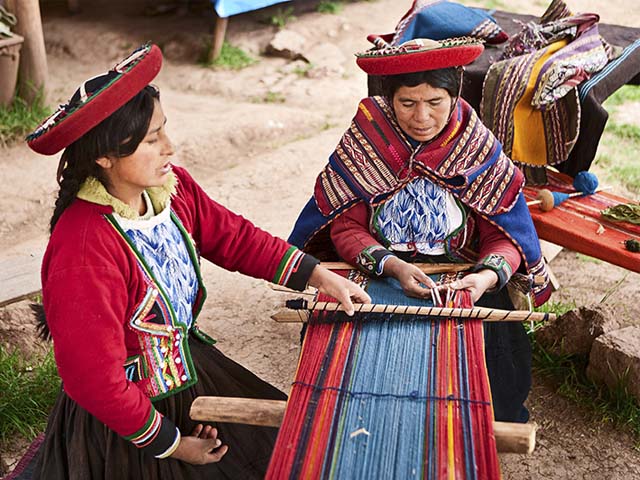
The Chawaytire weaving community is located 45 minutes by car from the town of Pisac and is known for preserving ancestral weaving techniques typical of Andean culture. When visiting the community, you can find high-quality handmade textiles woven on looms made from the wool of Andean animals such as alpacas. In addition to interacting with the locals, you’ll have the opportunity to take weaving classes and learn more about their traditional way of life. This visit not only lets you explore their rich culture, but it also helps preserve their customs, offering you a responsible tourism experience that directly benefits the artisans who make these handmade products.
- Amaru Community
This community is located above the town of Pisac, on hills that offer expansive views of the entire Sacred Valley. A visit here is perfect for those interested in discovering ancestral textile techniques and Andean agriculture. Just 40 minutes from Pisac, you’ll live immersive experiences, learning more about the traditional life of the Amaru community. Among the activities, you’ll discover the process of natural dyeing and weaving using plants and the wool of animals raised by the community.
- Chawaytire Community
Taray Viewpoint
- Located just 5 kilometers from Pisac, the Taray viewpoint is a must-stop before reaching the town. The landscape opens up fully, showing mountain hills, snow-capped peaks, agricultural fields, forests, and rivers that make up the Sacred Valley.
- The Taray viewpoint offers a wide area to rest with benches. There are also parking areas and stalls selling crafts to give you a more complete experience.
- The easiest way to visit is to take a mototaxi from the town to the viewpoint, or you can descend at the viewpoint on the route from Cusco to Pisac.
Potato Park
- A cultural experience within Pisac is visiting the Potato Park. This place preserves more than 1,300 native potato species, and here you’ll also learn about agricultural, ritual, gastronomic, and artisan traditions of the communities that manage it.
- Paru Paru, Amaru, Chawaytire, Sacaca, and Pampallacta are the communities that take care of this project. The highlighted activities you can do at the Potato Park include: exploring agricultural routes, tasting Andean cuisine, discovering Andean textile techniques and natural dyes, participating in ancestral rituals, and exploring the biodiversity of the area.
Botanical Garden
- Located a short distance from the main square of Pisac, the Flipe Marin Moreno Botanical Garden is ideal for nature lovers. This place showcases one of the most diverse collections of cacti in Peru. You will also see various types of orchids, flowers like Kantu, trees, and medicinal plants.
- The museum also has a display of 200 native potatoes, mineral stones, seeds, butterflies, beetles, and other preserved insects.
Walks through the Village
- The geographical diversity of Pisac allows for many walks through forests and biodiverse lands. It’s very easy to walk through the town and discover nearby peaks or viewpoints.
| Attractions | Location | Type of Walk | Difficulty | What to See / Experience |
|---|---|---|---|---|
| Kinsa Cocha | High area of Pisac | Walk between lagoons | Medium | Route to three lagoons (Kinsa Cocha, Azul Cocha, and Puma Cocha) with open views of the valley. |
| Taray Viewpoint | Entrance to the Sacred Valley, near Pisac | Short walk / viewpoint | Easy | Panoramic view of the valley and the Vilcanota River winding through agricultural fields. |
| Vilcanota River | Pisac | Natural stroll | Easy | Relaxed walks through fields, natural gardens, and riverbanks. |
| Potato Park | Andean communities north of Pisac | Rural walk | Easy – Medium | Traditional agricultural landscape with over a thousand varieties of native potatoes and community routes. |
| Pisac Mountains | Surroundings of the town | Mountain walk | Medium | Trails through terraces, forests, viewpoints, and views of the Sacred Valley. |
Pisac - Photo Gallery

Frequently Asked Questions about the Most Available Tickets to Machu Picchu
1) How can I get to Pisac from Cusco?
You can easily get there from the city of Cusco by taking buses that depart from Puputi Street. The journey takes approximately one hour and is one of the most affordable ways to visit the first town of the Sacred Valley of the Incas. You can also opt for organized tours that include transportation and a guide.
2) Is it worth visiting Pisac during my trip to Cusco?
Yes, Pisac is one of the most complete destinations in the Sacred Valley. It combines archaeology, living culture, natural landscapes, and a traditional atmosphere that is maintained in its streets and nearby communities. It’s an ideal place to learn more about Andean history and customs before continuing on to Machu Picchu.
3) How much time do I need to visit Pisac?
We recommend dedicating at least half a day to explore the main attractions of the town. However, if you want to calmly explore the archaeological site, the artisan market, and nearby communities, the ideal plan is to spend a couple of days.
4) What can I see at the Pisac archaeological site?
At the Pisac archaeological site, you can explore enormous agricultural terraces, Inca temples, ancient residences, and astronomical observatories. One of the most notable spaces is the Intihuatana, a ceremonial structure linked to Inca astronomy.
5) How can I reach the Pisac archaeological site?
The easiest way is to take a collective transport or taxi from the town, which takes about 15 minutes. You can also opt for a walk from the town to the mountain, which is a slightly exhausting but rewarding experience, offering panoramic views of the valley.
6) What will I find at the Pisac artisan market?
The Pisac Market is one of the best-known markets in all of Cusco. Here you will find alpaca textiles, silver jewelry, traditional handicrafts, and agricultural products from nearby communities. It’s a perfect place to get to know the work of local artisans and their traditions.
7) Is it recommended to walk through the town of Pisac?
Yes, the town of Pisac is very easy to walk around. Its cobbled streets, traditional houses, and artisan shops let you discover the cultural atmosphere of the place while enjoying constant views of the Sacred Valley mountains.
8) What is the best time to visit Pisac?
The best season is during the dry season, between April and October, when the days tend to be clearer. This allows you to enjoy the walks, the valley views, and the archaeological site visits more fully.
9) Does Pisac belong to the Sacred Valley tour?
Yes, many Sacred Valley tours include a stop in Pisac. However, if you want to explore the town at a more relaxed pace, we recommend visiting it independently or dedicating an entire day to it.
10) Can I combine Pisac with other destinations in the Sacred Valley?
Yes, from Pisac, it is possible to continue the tour to other towns in the valley and eventually to Machu Picchu. Many tourist routes begin precisely in this town due to its proximity to Cusco and its historical importance within the Inca territory.
Advice from people who have been there
 By: Andrea Alejandra Z.
“Incredible“
“Pisac was one of my favorite places in the Sacred Valley. I went on a full-day tour, but I would have liked to spend more time there, as the stops were too short. It's one of the most beautiful places I've visited; I took about 500 photos of the town, but if I had more time, there would have been more.“
By Ticket Machu Picchu – Last updated, March 16, 2026