What was life like in Machu Picchu? The truth behind
For much of the 20th century, the image we had of Machu Picchu was shaped by the perspective of Hiram Bingham (the scientific discoverer of the Inca citadel), closer to adventurous romanticism than to knowledge. However, a century later, new approaches and studies have revolutionized the understanding of the site. Thanks to advanced archaeological analyses, laboratory studies, and interdisciplinary work, we now know much more about the technology, social dynamics, and diet of those who lived there. Discover what daily life in Machu Picchu was really like.
- Who lived in Machu Picchu?
- The health of Machu Picchu’s inhabitants
- Multiethnicity in Machu Picchu
- Craftsmanship in Machu Picchu
- The architecture of Machu Picchu
- Ritual life in Machu Picchu
- Frequently asked questions about Machu Picchu tickets
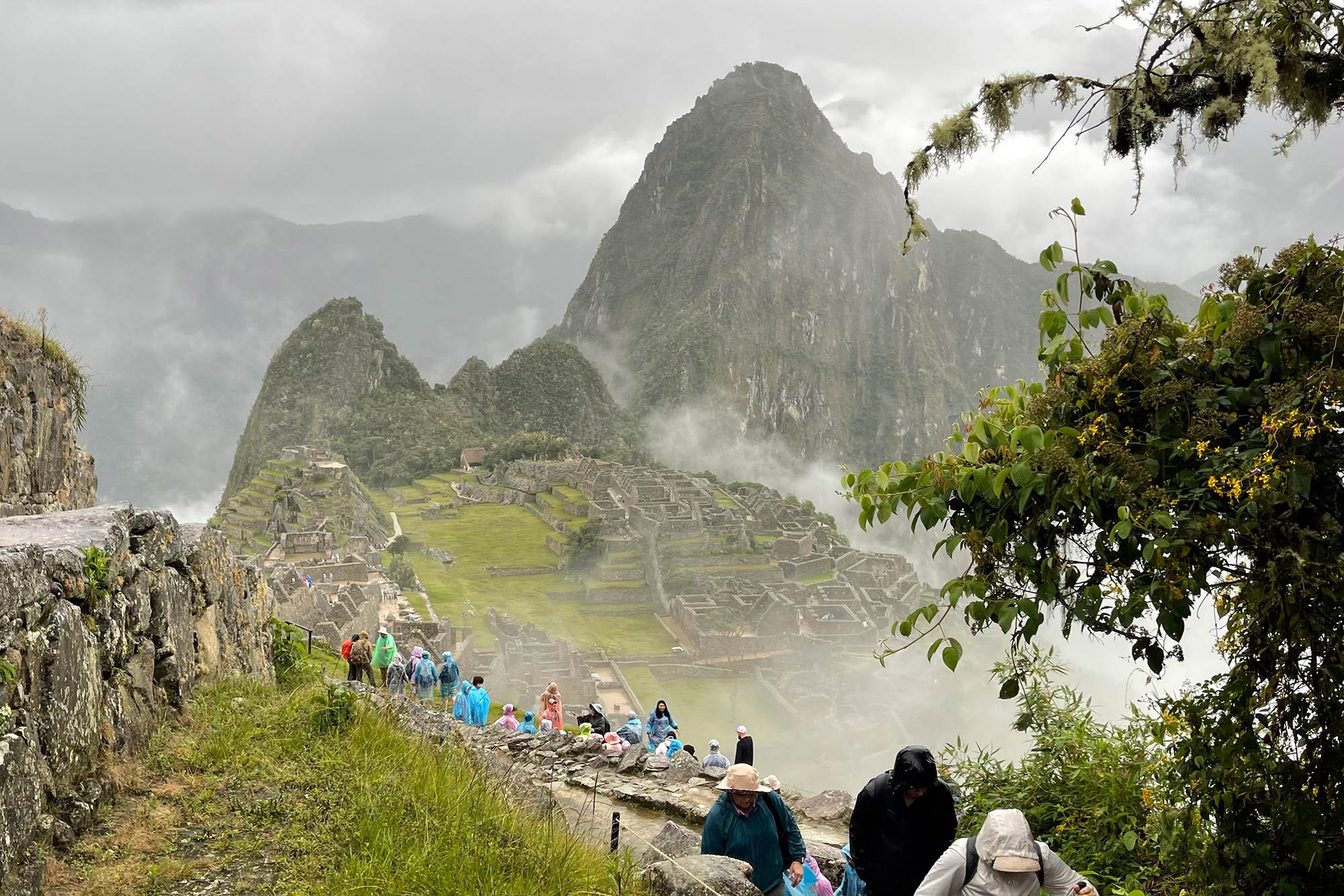
Inca citadel of Machu Picchu
Who lived in Machu Picchu?
- The Historic Sanctuary of Machu Picchu was a royal estate built by the Inca emperor Pachacutec and controlled by his descendants around the 15th century.
- The most well-known part of this territory is the architectural complex built between the mountains Machu Picchu and Huayna Picchu, popularly known as the “Inca llacta” or “Inca citadel.” (Discover the 10 types of Machu Picchu tickets).
- Although this place was referred to by Hiram Bingham as the “lost city,” it is likely that no more than 750 people lived there during certain periods.
- Most of the time, Machu Picchu was inhabited by royal servants, known as yanaconas (men) and acllas (women).
The tombs of the Inca emperors
During the expeditions to Machu Picchu, no tombs of great importance were found, since if members of the Inca elite had died while residing in this place, they would have been transported to their main residence in the city of Cusco (capital of the Tahuantinsuyo empire). Considering that the journey only took three days, this option would have been entirely feasible.
The health of Machu Picchu’s inhabitants
- In recent analyses by John Verano (2003) of an osteological collection gathered from minor tombs, it is indicated that the inhabitants of Machu Picchu had an average height of 157.48 centimeters for men and 149.86 centimeters for women.
- Thanks to the prosperous agriculture of the Sacred Valley, the population generally enjoyed good health, basing much of their diet on maize consumption (discover the giant corn of Cusco).
- Other important foods in their diet, thanks to their adaptation to the mountainous environments of Cusco, included potatoes, quinoa, and tarwi.
- Contrary to what some Spanish chroniclers claimed—“drinking instead of eating was the main characteristic of the Inca community”—the inhabitants did consume a considerable amount of meat, mainly llama and alpaca, which accounted for nearly 88% of their total meat consumption.
- Other animals included subtropical forest rodents, paca, deer, abrocoma, pudu, guinea pig, vizcacha, and white-tailed deer.
- There were also animals kept as pets rather than food sources. Spanish chroniclers indicate these included birds, monkeys, and some canids.
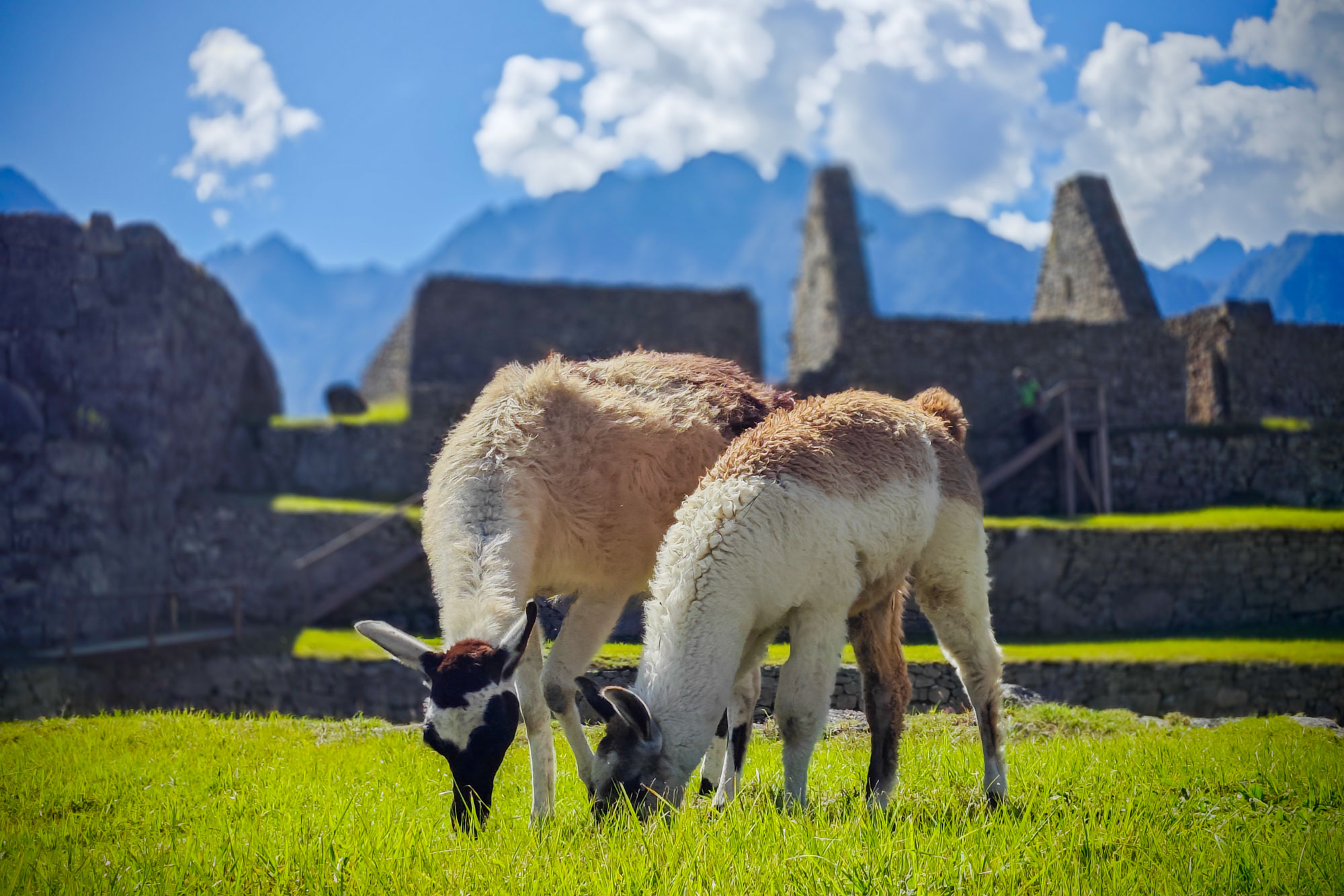
Llamas of Machu Picchu
The ritual function of llamas and alpacas
Most llamas and alpacas during the time of the Tahuantinsuyo also had a ritual and sacrificial function. Older animals were mainly used for this purpose, as using younger ones would have wasted their most productive years of wool. Color was also important; in ceremonies such as Inti Raymi, black llamas were chosen for the main sacrifices in honor of the Sun, as this represented purity to them.
Multiethnicity in Machu Picchu
- It is not surprising that expanding an empire requires domination through conquest or peaceful collaboration with other populations.
- The Tahuantinsuyo, at its height, encompassed territories of Peru, Ecuador, Colombia, Argentina, Bolivia, and Chile.
- Due to the vastness of its territory, a notable diversity of ethnic groups coexisted in the Tahuantinsuyo, sharing daily life. Part of the empire’s success lay in its ability to integrate and learn from the different ways of life of its peoples.
- Inca society was also openly polytheistic, where each community could maintain its own deities and rituals, although the worship of the Sun god held a central place within the official religious structure.
- After analyzing funerary goods, Lucy Salazar (1997) argued that most individuals buried in Machu Picchu came from areas outside Cusco, resembling heterogeneous urban populations more than the small homogeneous villages of other regions of the Tahuantinsuyo.
- One of the most common ways to express identity in pre-Hispanic times was through cranial deformation. These practices have a long history, dating back three millennia before the Inca period (during the Inca era, this practice became less common).
| The four regions of the Tahuantinsuyo | ||||
|---|---|---|---|---|
| Suyo (region) | Location | Geographic characteristics | Economic activities | Cultural / strategic traits |
| Chinchaysuyo | Northern part of the empire (present-day northern Peru, Ecuador, part of Colombia). | Northern coast, fertile valleys, Andean zones, and high jungle. | Agriculture (maize, cotton), large-scale trade, fishing. | It was the most populated and wealthiest suyo, a key commercial center for the empire’s supply. |
| Antisuyo | Eastern Andes, encompassing the Amazon. | High jungle, humid forests, and ravines. | Hunting, gathering, exchange of Amazonian products. | Strategic zone for exotic resources (feathers, medicinal plants). |
| Collasuyo | Southern part of the empire (highlands of Peru and Bolivia, northern Chile and Argentina). | Andean plateau, cold climate, and extensive plains. | Camelid herding, wool production, high-altitude agriculture (potatoes, quinoa). | Considered the largest suyo, militarily important due to its vast and flat territory. |
| Contisuyo | Southwest of the empire (coast and highlands of southern Peru). | Arid coastal and Andean areas. | Terrace farming, fishing, mining. | A varied region of great ritual importance due to its proximity to southern ceremonial centers. |
Craftsmanship in Machu Picchu
- In the territory of Machu Picchu, there are two well-defined climatic seasons, each associated with different activities.
- The rainy season (November to March) was ideal for planting crops and producing textiles and crafts.
- During the dry season, daily life in Machu Picchu was likely more focused on the royal family and its needs, as well as harvesting and trade, along with ceremonies and rituals (such as Inti Raymi).
- In Machu Picchu, craftsmanship was part of everyday life. Inhabitants worked textiles using spindles for spinning and delicate bone tools to shape fine fabrics that reflected the Inca worldview.
- They also practiced stone carving, but where Machu Picchu showed particular skill was in metallurgy. Recent studies confirm that two key metals for the Incas were also worked here: copper and silver.
- This suggests that the site did not function solely as a ceremonial center or royal estate, but also as a space dedicated to technical and manufacturing production.
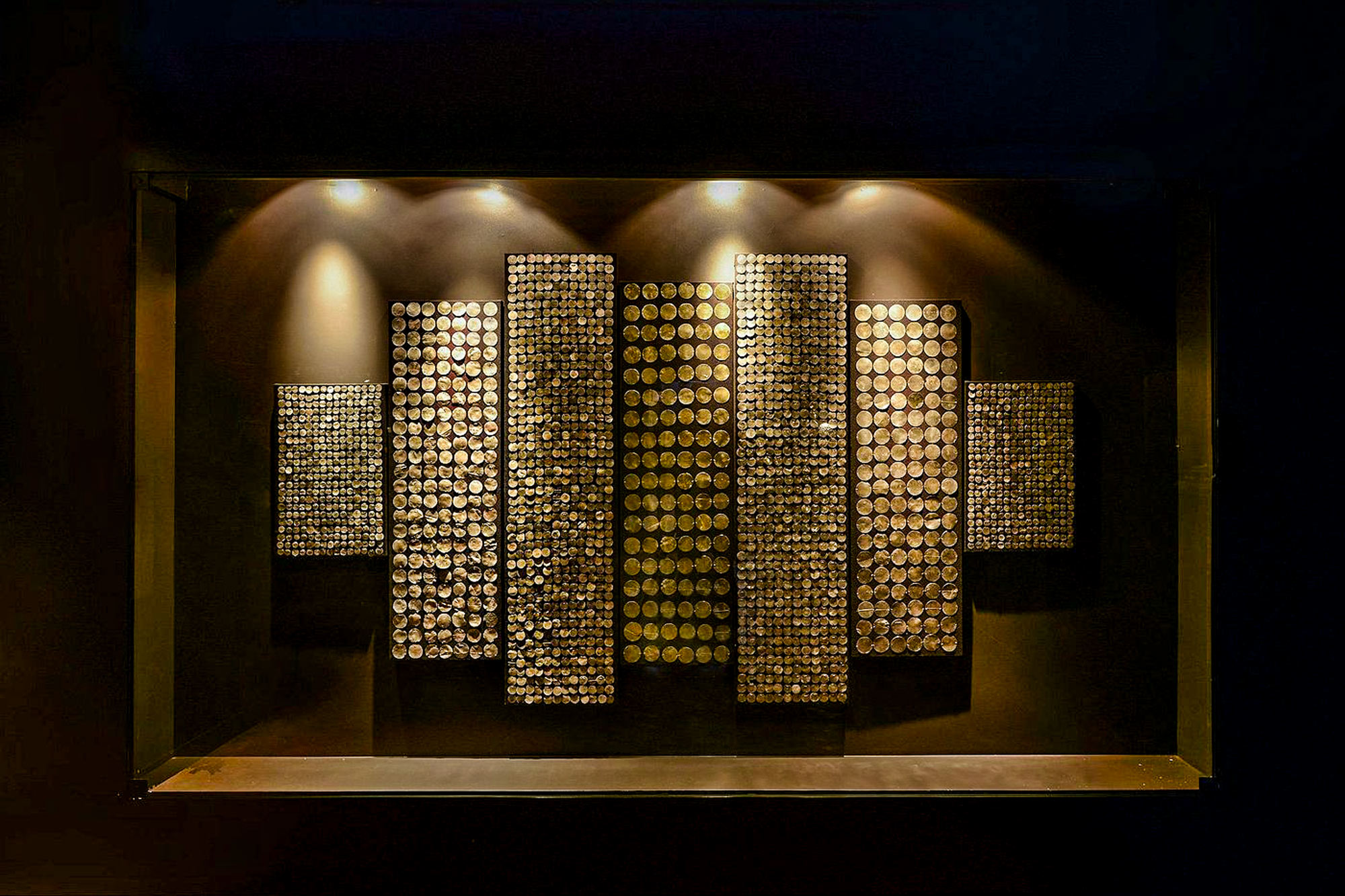
Inca metallurgy
The architecture of Machu Picchu
- The architecture of Machu Picchu stands out not only for its temples and stone structures, but also for its agricultural terraces and canal system, two essential elements for the functioning of the Inca citadel.
- These two components show the extent to which the Incas transformed the terrain to enable the construction of the urban complex and the royal palace.
- The terraces were designed to create stable and well-drained surfaces, allowing agricultural activities while also reinforcing slope stability.
- The canal system had a dual function: on one hand, it supplied water to residential areas, and on the other, it enabled irrigation of the agricultural terraces.
- The combination of well-drained terraces and an efficient hydraulic system explains why Machu Picchu has withstood centuries of heavy rains, landslides, earthquakes, and today, the impact of tourism.
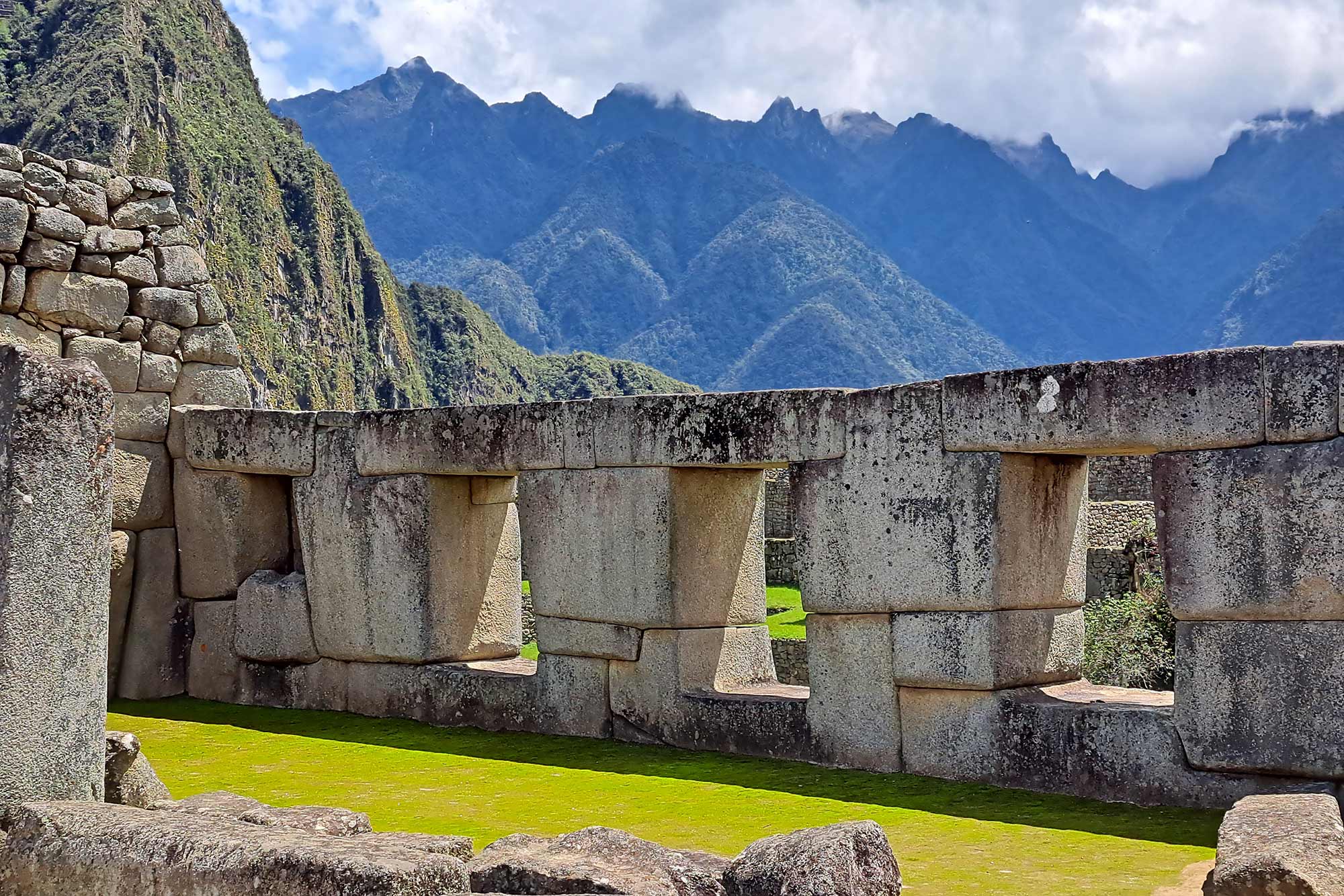
Walls of the Temple of the Three Windows
Ritual life in Machu Picchu
- During the first excavation of Machu Picchu, a set of obsidian pebbles (volcanic stone) was found near the entrance. Recent studies revealed that these came from Chivay, a settlement located more than 300 kilometers away.
- This finding confirms their ceremonial nature, as they were deliberately transported as offerings. Their distant and volcanic origin aligns with the Inca worldview, where mountains were considered deities.
- New studies have also identified that several structures at the site show precise alignments with solstices and other celestial events. Among the most important are the Intihuatana and the Temple of the Sun of Machu Picchu.
- The main religious constructions of Machu Picchu were dedicated to the Sun (Inti), the Moon (Killa), the mountains (apus), and Mother Earth (Pachamama).
- Modern review of excavated material has identified ritual practices that were not previously detected, significantly expanding the understanding of Machu Picchu’s ceremonial role within the Tahuantinsuyo.
| Main constructions of Machu Picchu with ritual origin | ||
|---|---|---|
| Construction | General description | Ritual function |
| Intihuatana | Carved stone block shaped like a pillar, located in the upper part of the ceremonial sector. | Used for solar observations, especially during solstices. |
| Temple of the Sun (Torreón) | Semicircular structure built with finely crafted walls and windows. | Used for ceremonies linked to the Sun and to record astronomical events. It may have also functioned as a sanctuary for offerings. |
| Main Temple | Building with large, finely carved walls in the ceremonial sector. | Place intended for rituals related to water worship and state ceremonies. |
| Temple of the Three Windows | Structure with three trapezoidal windows overlooking nearby mountains. | Associated with astronomical observations. The windows likely marked specific solar events. |
| The Sacred Rock | Monolith carved in the shape of a mountain. | Functioned as a place for offerings. Its shape and orientation relate to nearby sacred mountains. |
| Temple of the Condor | Set of rocks and structures that evoke the figure of a condor. | Linked to symbolic rituals associated with sacred animals and the Andean spiritual world. |
| Ritual caves (such as those of the Temple of the Sun) | Small chambers beneath important structures. | Used to place offerings, mummies, or perform rituals related to the earth and ancestors. |
Frequently asked questions
1) Who lived in Machu Picchu during the Inca period?
Mainly royal servants lived there, such as yanaconas and acllas. They were responsible for taking care of the site when the imperial family was not present. Machu Picchu was actually a royal estate built by the Inca emperor Pachacutec and controlled by his descendants around the 15th century.
2) Is it true that the inhabitants came from different regions of the empire?
Yes, studies of funerary goods show that many came from areas outside Cusco. That is why Machu Picchu is now described as a multiethnic settlement, reflecting the diversity of the Tahuantinsuyo empire.
3) What was the diet of the people who lived in Machu Picchu like?
The diet was based on Andean products such as maize, potatoes, quinoa, and tarwi. They also consumed a considerable amount of meat, especially llama and alpaca. This confirms that their health was good and that they had sufficient resources from the Sacred Valley.
4) Did llamas have a ritual function in Machu Picchu?
Yes, older llamas and alpacas were used for sacrifices, especially in important ceremonies. Color also mattered: for example, black llamas were offered in rituals dedicated to the Sun due to their association with purity.
5) What kind of crafts were produced in Machu Picchu?
In Machu Picchu, people produced textiles, carved stone, and worked metals such as copper and silver. This indicates that the Inca citadel was not only a ritual or political center, but also a place of specialized production.
6) Why are agricultural terraces so important?
Agricultural terraces were important because they allowed cultivation while also stabilizing the slopes. Their design prevented landslides and made the construction of the royal palace and the entire urban area possible.
7) How important was the water system?
It was very important because it served a dual function: supplying water to the royal residence and irrigating the terraces. Its efficiency is reflected in the fact that it can still be seen functioning today.
8) Which constructions are dedicated to rituals?
There are many, but among the most important are the Intihuatana, the Temple of the Sun, and the Sacred Rock, as their orientation was related to astronomical events and sacred mountains. This shows that ceremonial life was a central axis in the daily dynamics of Machu Picchu.
9) Did the Incas observe the skies from Machu Picchu?
Yes, several structures are aligned with solstices and other celestial events. This helped manage the agricultural calendar and organize ritual events efficiently.
10) Why were no tombs of emperors found in Machu Picchu?
This was likely because if a member of the elite died there, their body was transported to Cusco. The journey was short, and the capital was where the royal residence was located. That is why only minor tombs were found in Machu Picchu.
Advice from people who have been there
 By: Jarrod B.
“The mysteries of Machu Picchu“
“While exploring Machu Picchu, I realized that there is still much unknown about this impressive culture. I would like to return and explore each of the circuits in more detail to resolve some of my questions.“
By Ticket Machu Picchu – Last updated, April 28, 2026