The best destinations to visit after Machu Picchu
Machu Picchu is the most visited tourist destination in Peru and one of the top travel attractions in South America. Every day, thousands of travelers book their entrance tickets to explore the famous Inca citadel and discover its impressive stone constructions surrounded by breathtaking natural landscapes. However, the experience does not end there. After visiting the Inca llaqta, there are still many fascinating destinations to explore, both in Cusco and throughout other regions of Peru. If you are planning a more complete travel experience, here we will show you other must-visit attractions you can include in your itinerary.
- Choquequirao: the ideal Inca city to visit after Machu Picchu
- What to visit in the Sacred Valley after Machu Picchu
- Best things to do in Cusco city after Machu Picchu
- The best hikes in Cusco after Machu Picchu
- Other tourist attractions in Cusco you should visit
- Other cities in Peru to visit after Machu Picchu
- Frequently asked questions about what to do after Machu Picchu
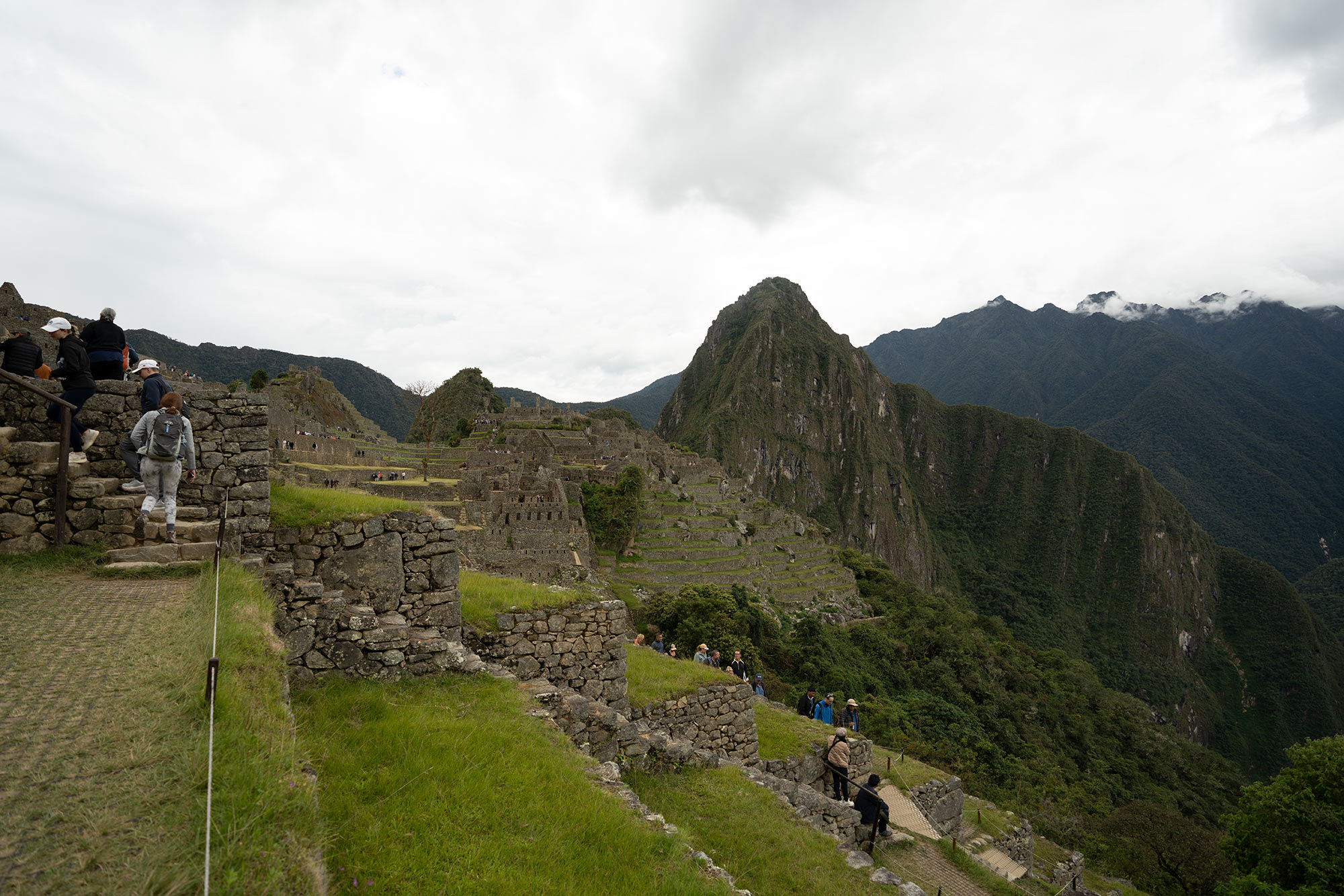
Inca Citadel of Machu Picchu
Machu Picchu Ticket Reservation
Machu Picchu tickets are limited, with only around 4,500 daily entries available (5,600 during the high season), so they often sell out several months in advance. To access the most popular routes, such as the Classic Circuit or Huayna Picchu Mountain, reservations should be made up to three months ahead of time. The remaining tickets are usually available one to two months in advance.
Choquequirao: the ideal Inca city to visit after Machu Picchu
- The Choquequirao archaeological complex is known as the “sister city of Machu Picchu” because of its similar Inca architecture and the spectacular natural environment surrounding it.
- Like the Wonder of the World, this ancient Inca city features temples, residences, water canals, storehouses, agricultural terraces, colcas, and many other historical structures.
- However, Choquequirao still has much more to offer, as a large part of the Inca complex remains under restoration and cleaning processes. It is estimated that only 30% to 40% of the archaeological site has been excavated and uncovered.
- Choquequirao is located above the Urubamba River canyon under the protection of the snow-capped Salkantay Mountain, in the Apurímac Valley at approximately 3,050 meters above sea level.
- The main way to reach this archaeological site is through an incredible 4-day hiking adventure. Similar to the Inca Trail, this 60-kilometer trek offers travelers an impressive diversity of natural landscapes. It is an excellent alternative for visitors with several free days in Cusco.
What to visit in the Sacred Valley after Machu Picchu
- The Sacred Valley of the Incas is an essential destination when visiting Cusco, located just one hour away from the city.
- This region was one of the most important territories for the Inca civilization due to the fertility of its lands, the presence of the Urubamba River, and its remarkable geographical diversity.
- Today, the Sacred Valley includes several traditional villages and important archaeological sites, among which the following stand out:
- Pisac: Known as the gateway to the Sacred Valley, Pisac is home to an enormous Inca archaeological site with stunning panoramic views. In addition, its handicraft market is the most popular in all of Cusco.
- Urubamba: Famous for being the administrative, commercial, and tourist center of the Sacred Valley. It is considered the world capital of corn and features many natural and cultural attractions.
- Ollantaytambo: During Inca times, it was a fortified town that served as an important administrative control center. It preserves archaeological remains alongside a traditional village that still maintains the original urban layout from the Inca era. In addition, it is a mandatory stop because it hosts the main train station to Machu Picchu.
- Chinchero: The traditional village of Chinchero preserves many expressions of Andean culture. Its famous textile centers showcase ancestral weaving techniques throughout the entire textile production process. The village also features important archaeological remains and colonial structures.
- Yucay: This village held great importance during the Inca Empire. It was also the residence of the Inca Sayri Tupac II during the Spanish conquest. Today, it is one of the most fertile and peaceful destinations to enjoy relaxing days in Cusco surrounded by Andean landscapes.
- Maras and Moray: Usually combined in the same tour because of their proximity, these two attractions hold a remarkable historical legacy. In Maras, visitors can walk through thousands of salt ponds that create a spectacular landscape. Later, in Moray, travelers can explore enormous circular agricultural terraces that once served as an Inca agricultural laboratory.
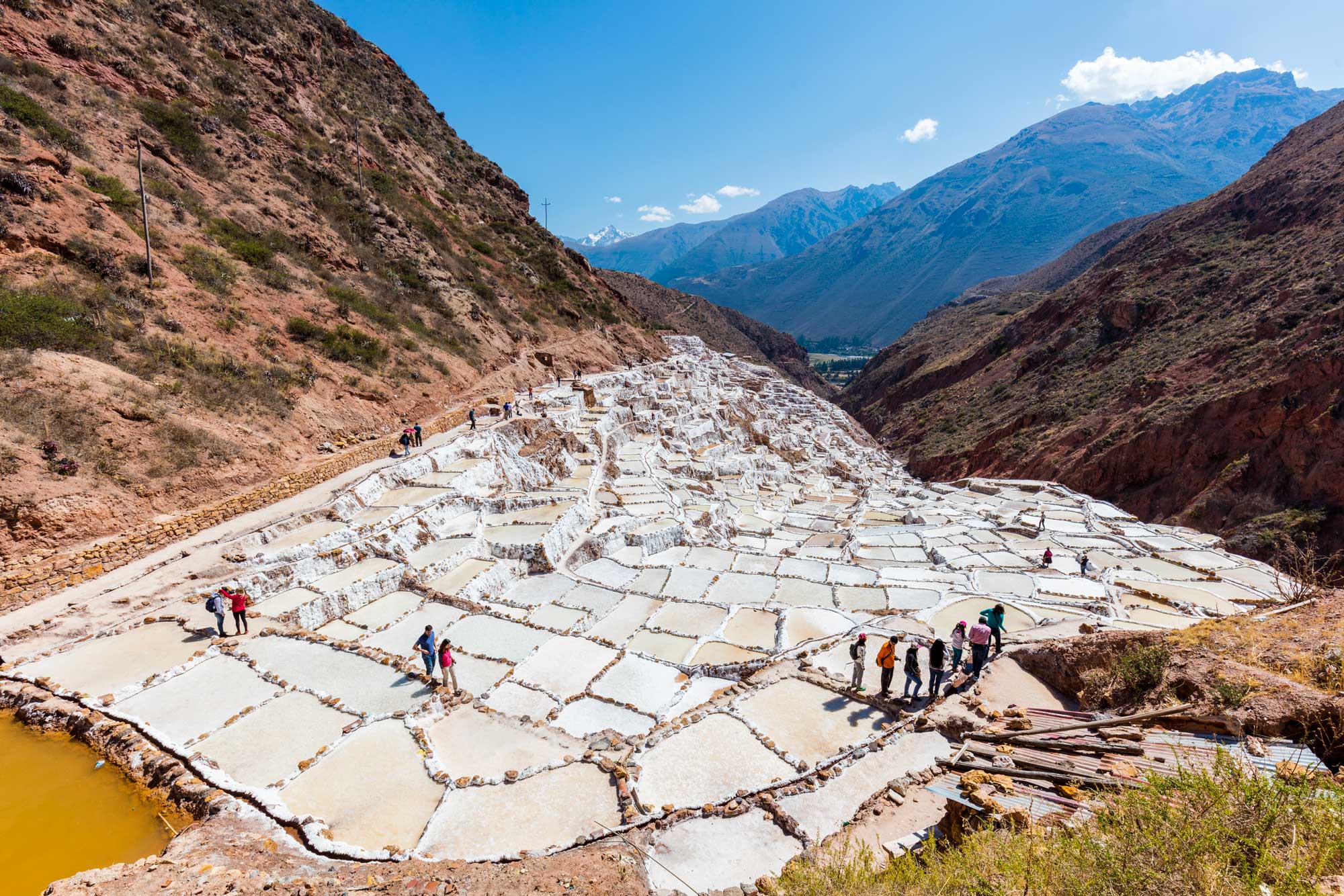
Landscape of the Maras Salt Mines
Sacred Valley VIP Tour
The Sacred Valley VIP Tour allows visitors to explore the main attractions of this region in just one day. It is an excellent option that optimizes every stop while including professional tour guide service and full tourist transportation. The historical destinations included in the journey are: Pisac, Ollantaytambo, Maras, Moray, Chinchero, and a short stop in Urubamba for lunch. In addition, another advantage of this alternative is that it can be booked with only a few days of anticipation.
What to do in Cusco city after Machu Picchu
- The city of Cusco was the capital of the Inca Empire, and evidence of this legacy can still be seen in the impressive Inca constructions that often coexist with colonial architecture.
- Walking through its streets, especially around the Historic Center, means immersing yourself in a destination filled with cultural heritage and fascinating history.
- Thanks to its manageable size, visiting the main tourist attractions in Cusco usually takes no more than two days. However, travelers interested in exploring each archaeological site in depth may require more time.
- Among the top tourist attractions in Cusco are: the Cathedral, the Qoricancha Temple, Sacsayhuamán, Qenqo, and many other archaeological sites and museums that tell the story of the region.
- One of the most popular experiences when visiting the city is taking the classic Cusco City Tour, which covers the most important tourist attractions in just half a day. It is the ideal option for getting a first impression of the city.
| Main attractions in Cusco city | ||||
|---|---|---|---|---|
| Attraction | Type | Location in the city | Visit duration | Main highlights |
| Plaza de Armas | Historic center | Historic center | 1 hour | Heart of the city, baroque cathedral, colonial architecture |
| Cusco Cathedral | Colonial temple | Plaza de Armas | 1 – 1.5 hours | One of the most important cathedrals in South America, colonial art |
| Qoricancha | Inca temple + convent | Historic center | 1 – 2 hours | Fusion of Inca and colonial architecture, ancient Temple of the Sun |
| Sacsayhuamán | Inca fortress | Upper area of the city | 2 hours | Massive stone walls, panoramic views of Cusco |
| San Blas neighborhood | Historic/artisan district | Historic center | 1 – 2 hours | Cobblestone streets, artisan workshops, bohemian atmosphere |
| San Pedro Market | Traditional market | Historic center | 1 hour | Local gastronomy, Andean products, daily life in Cusco |
| Inka Museum | Archaeological museum | Historic center | 1 – 2 hours | Largest collection of Inca artifacts in the world |
| Q’enqo | Inca ceremonial site | Northern exit (2 kilometers from downtown) | 1 hour | Stone labyrinth, sacrificial altar, ceremonial cave |
| Puca Pucara | Inca tambo / military outpost | Northern exit (7 kilometers from downtown) | 45 minutes | Inca surveillance complex, panoramic views |
| Tambomachay | Inca ceremonial site | Northern exit (8 kilometers from downtown) | 50 minutes | Inca water fountains and channels still functioning perfectly |
The best hikes in Cusco after Machu Picchu
- Cusco features an impressive and highly diverse geography, making it an ideal destination for all kinds of hiking adventures.
- The most famous route is the Inca Trail, considered one of the best hiking routes in the world. This is one of the paths leading to Machu Picchu after completing a 4-day trek covering more than 41 kilometers of breathtaking trails.
- Among other excellent trekking options, which not only allow visitors to discover historical sites but also dreamlike landscapes, are:
- Lares Trek: This hiking route offers hot springs, traditional Andean communities, and stunning mountain landscapes. This option also allows travelers to finish the 3- or 5-day trek at the Inca City of Machu Picchu.
- Rainbow Mountain hike: It is the second most visited attraction in Cusco, although reaching the main viewpoint requires hiking nearly 5 kilometers (about 2 hours) at more than 5,200 meters above sea level.
- Ausangate Trek: The Ausangate snow-capped mountain, the highest peak in Cusco, offers scenic hiking routes through trails filled with extraordinary natural attractions. The main route takes around five days, immersing visitors in an unforgettable high-altitude experience.
Other tourist attractions in Cusco you should visit
- The Cusco region is made up of 13 provinces. For example, Machu Picchu is located in the province of Urubamba, while Cusco City belongs to the province of the same name.
- If you have more time after visiting the Wonder of the World, you can explore lesser-known destinations that are not as crowded by tourism but still offer remarkable attractions for visitors:
- Quillabamba: Known as the “City of Eternal Summer,” Quillabamba is the capital of La Convención Province. Its tropical climate is perfect for enjoying sunny days near rivers and swimming pools. Among its main tourist attractions are the Yanaya Waterfall, the Seven Pools, the Sambaray recreational area, and more.
- Sicuani: It is the capital of Canchis Province and one of the most important locations in the Cusco region. Its main attractions include the Plaza de Armas and the Sacacanicocha Lagoon. In addition, travelers can also visit the Raqchi Archaeological Park.
Other cities in Peru to visit after Machu Picchu
- Peru is home to diverse landscapes filled with natural beauty and cultural attractions. Another excellent option after visiting Machu Picchu is to continue exploring more of the Peruvian territory. The most popular routes, due to their proximity to Cusco City, are the following:
- Lake Titicaca: Located in the Puno region between Peru and Bolivia (6 hours by road from Cusco), it is considered the highest navigable lake in the world (3,812 meters above sea level). Its vast area contains islands inhabited by traditional communities that are also prepared to welcome tourism. It is one of the most visited destinations in Peru.
- The Peruvian Amazon: The Peruvian jungle covers most of Peru’s territory. Due to its relative proximity to Cusco (approximately 8 hours by road), many destinations in this region are highly requested, such as: Puerto Maldonado, Manu National Park, the Tambopata Reserve, among others. In addition, travelers can also visit the cities of Iquitos, Pucallpa, or Tarapoto.
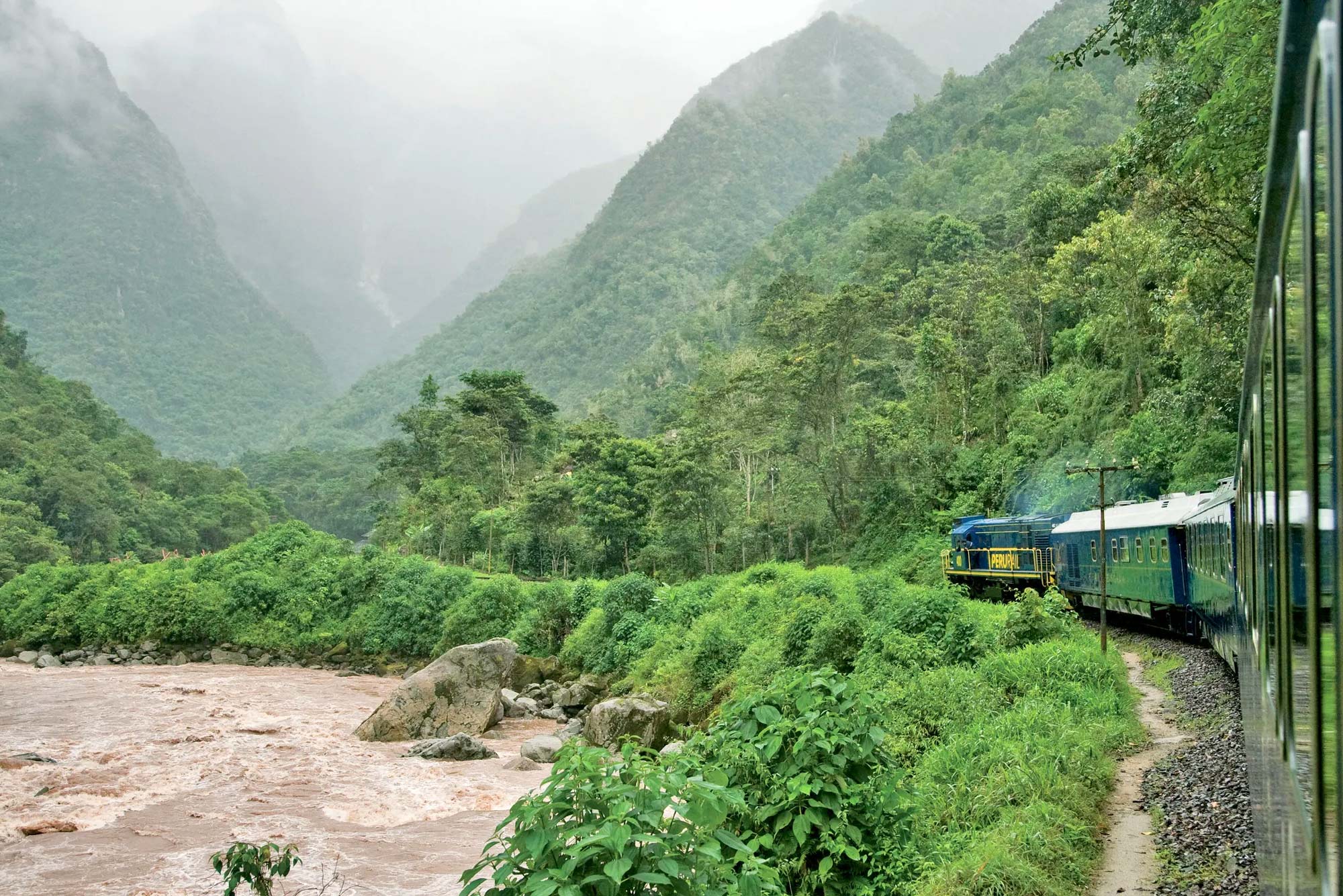
Tropical landscapes on the way to Machu Picchu
Frequently asked questions about what to do after Machu Picchu
1) What can I visit in Cusco after Machu Picchu?
After visiting Machu Picchu, we recommend continuing your trip by exploring the Sacred Valley of the Incas, Cusco City, and several hiking routes. These destinations complement the Inca experience and allow visitors to discover more about the history and geography of the region.
2) How many days are recommended for traveling after Machu Picchu?
We suggest having at least 3 to 5 additional days available. This amount of time allows travelers to visit the Sacred Valley, explore Cusco City, and enjoy a hike or excursion without rushing through the experience.
3) Is it worth visiting the Sacred Valley after Machu Picchu?
Yes, the Sacred Valley of the Incas is an essential stop. During this tour, visitors can explore archaeological sites such as Pisac, Ollantaytambo, and Chinchero, as well as impressive Andean landscapes that enrich the travel experience.
4) Which places in the Sacred Valley should I not miss?
We recommend visiting Pisac for its archaeological complex, Ollantaytambo for its historical importance, and Chinchero for its textile traditions. Maras and Moray also offer unique landscapes and remarkable cultural value.
5) What activities can I do in Cusco City?
In Cusco, you can visit the Plaza de Armas, the ancient Qoricancha Temple, Sacsayhuamán, and several museums. We also recommend taking the City Tour to discover the main tourist attractions in just half a day.
6) How much time is needed to explore Cusco City?
We recommend between 1 and 2 days to visit the city’s main attractions. If you want to learn more deeply about its history and culture, you may extend your stay for a few additional days.
7) Which hikes can be done after Machu Picchu?
There are several options such as the Lares Trek, Rainbow Mountain, and the Ausangate Trek. These hiking routes offer high-altitude landscapes and unforgettable cultural experiences surrounded by breathtaking scenery.
8) Is the Rainbow Mountain hike difficult?
The Rainbow Mountain hike has a moderate level of difficulty due to the altitude, which exceeds 5,000 meters above sea level. However, horses can also be rented to help complete the route.
9) What is Choquequirao and why should I visit it?
Choquequirao is an Inca archaeological complex known for its similarities to Machu Picchu. It is ideal for travelers looking for a more demanding and less crowded trekking experience.
10) What other cities in Peru can I visit after Cusco?
We recommend destinations such as Lake Titicaca in Puno and the Peruvian Amazon, especially Puerto Maldonado or the Tambopata Reserve, where you will discover a different side of Peru filled with biodiversity and local culture.
Advice from people who have been there
 By: Luis Felipe M.
“Absolutely breathtaking!“
“We arrived with the intention of learning more about the Inca culture, and honestly, we were left wanting even more. The craftsmanship, the architecture, and everything that makes up Machu Picchu is simply extraordinary. A destination that everyone should visit at least once in their lifetime.“
By Ticket Machu Picchu – Last updated, May 27, 2026