Historic Center of Cusco
Walking through the Historic Center of Cusco is discovering ancient Inca and colonial streets filled with history. It is the heart and most important legacy of the city, which, before having colonial buildings, was adorned with Inca architecture, some of which can still be seen today in certain walls and foundations. Today, Cusco is one of the top tourist attractions in South America and is also recognized as ‘The Archaeological Capital of America.’ Discover more about the main attractions and services in the area known as the Historic Center, which is also a UNESCO World Heritage Site.
- History of the Historic Center
- What is the Historic Center?
- Map of the Historic Center of Cusco
- What to see?
- Photos of the Historic Center of Cusco
- Tourist services
- Tips for your visit to Cusco
- Frequently Asked Questions
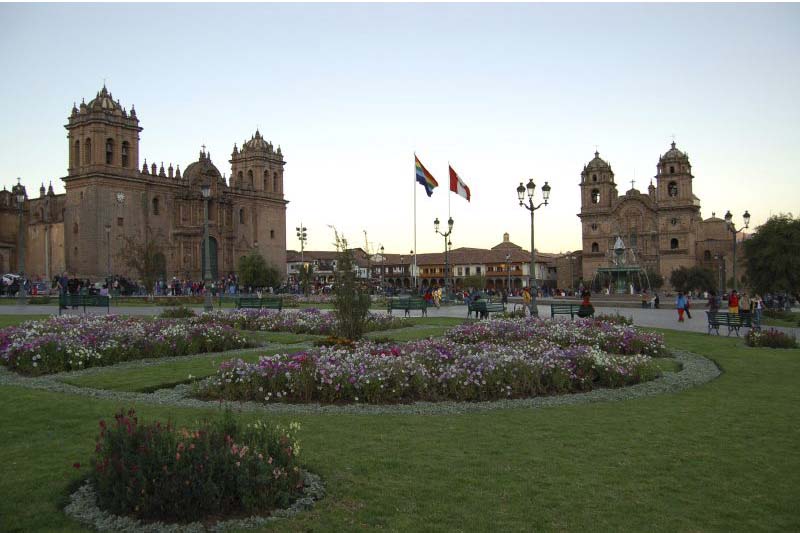
Plaza de Armas, in the historic center of Cusco
History of the Historic Center
- The city of Cusco was the capital of the Tahuantinsuyo Empire. Its name comes from the Quechua word ‘Qosqo,’ which translates to ‘Navel or center of the world,’ as this place was the urban and religious center of the Inca culture.
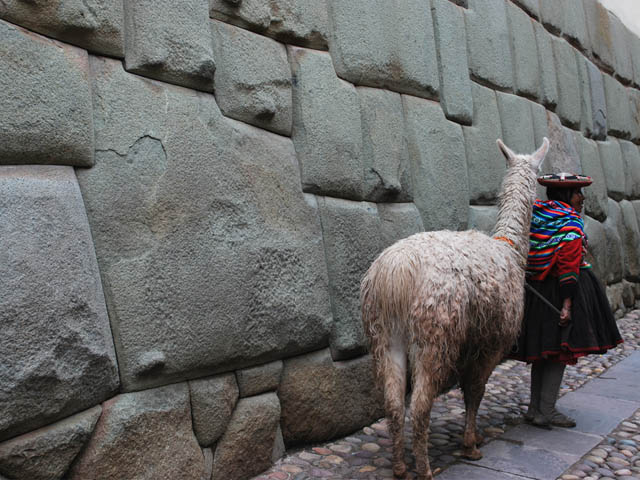
- During Inca times, the area that now constitutes the Historic Center consisted of plazas (Plaza de Armas, Plaza Regocijo), religious temples (the Coricancha), and palaces (the palace of Inca Roca, where the stone of the twelve angles is located).
- According to some colonial-era chroniclers, the first urban layout of the city of Cusco was shaped like a puma, one of the sacred animals of the Inca worldview.
- In the 16th century, with the Spanish invasion, Inca residences, palaces, and temples were destroyed, and new architecture was built on the foundations and walls of the city. Over time, a mestizo artistic, architectural, and cultural fusion emerged, combining Andean and colonial elements.
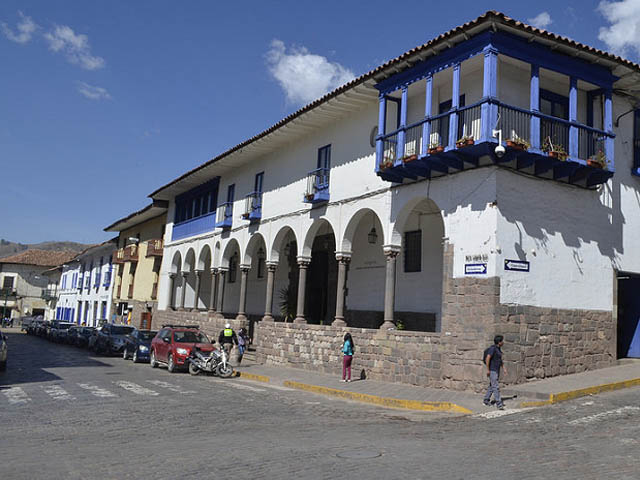
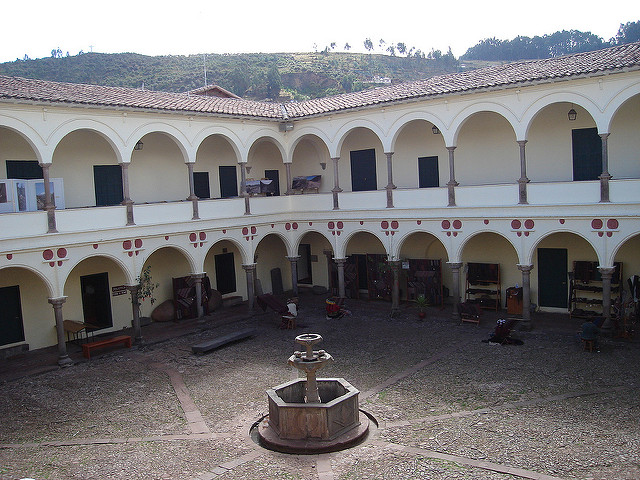
- Today, the area that comprises the Historic Center of Cusco features mostly colonial buildings, but some still have Inca walls that give it a unique aesthetic in the world. Since its declaration as a UNESCO World Heritage Site in 1983, conservation efforts have been made, along with restrictions on the construction of new buildings, to preserve its syncretic aesthetic.
| Main Features of the Historic Center | |
|---|---|
| Feature | Description |
| Location | It is located in the heart of the city of Cusco and concentrates the main historical and cultural attractions. |
| Historical Importance | It was the capital of the Inca Empire and later the political and religious center during the colonial era. |
| Architecture | It combines Inca stone constructions with Spanish colonial buildings, creating a unique style. |
| Streets and Squares | Narrow Inca-origin streets and large squares like Plaza de Armas, the central point of the city. |
| Cultural Heritage | Recognized as a UNESCO World Heritage Site for its historical and cultural value. |
| Main Monuments | Includes churches, convents, palaces, museums, and archaeological remains. |
| Urban Environment | A mix of tradition, contemporary local life, and tourism all within the same space. |
| Current Use | A tourist, commercial, and cultural zone with restaurants, hotels, shops, and many services. |
What is the Historic Center?
- The Historic Center is the area encompassing the historic core of the city, where the most important Inca and colonial buildings in Cusco are preserved. It is also referred to as the ‘Monumental Zone of Cusco’ due to its historical legacy filled with beauty.
- The area of the Historic Center of Cusco includes important historical streets, Inca-origin plazas, traditional neighborhoods, and Inca constructions such as the Inca temple of Coricancha (Temple of the Sun).
- There are also many colonial temples, such as the Cathedral and the Church of the Society of Jesus. As visitors walk through its streets, they will appreciate the Inca walls and colonial buildings that have survived over time.
- Many of the most important tourist services are located in the historic center. It is also an ideal place to discover businesses housed in historic residences.
The Historic Center of Cusco is a beautiful testament to the blending of Inca and colonial architecture. This part of the city has been continuously inhabited since well before the year 1400 AD. According to a royal decree from July 1540, it was named “the very illustrious, very notable, loyal, and most faithful City of Cusco, the principal city and head of the kingdoms of Peru.” Today, it is considered one of the most important cities in South America and the world.
Map of the Historic Center of Cusco
The Historic Center of Cusco is officially delimited by a perimeter that includes: to the north, the Santa Ana sector and the surroundings of Plaza San Cristóbal; to the east, the area rising towards San Blas and the Plaza de las Nazarenas; to the south, the Coricancha area and Avenida El Sol; and to the west, the sectors of San Pedro and Plaza San Francisco.
What to See?
- Plaza de Armas (Haucaypata) – Since Inca times, this square has been the most important festive, administrative, and religious center of Cusco. It is currently the favorite meeting place and hosts the city’s most significant cultural events. Around it, you will find many churches, commercial stalls, and streets filled with history.
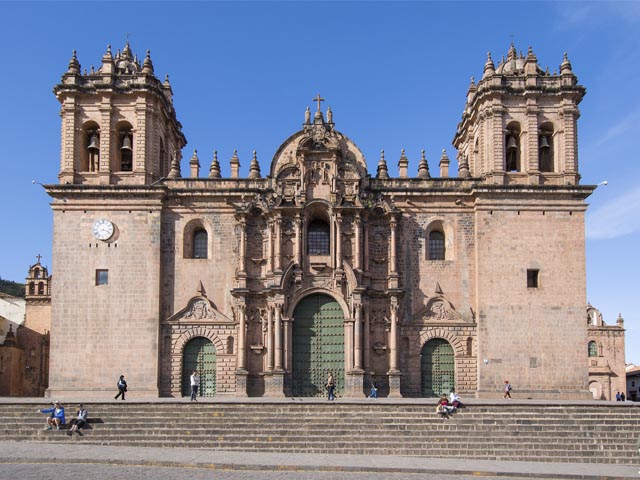
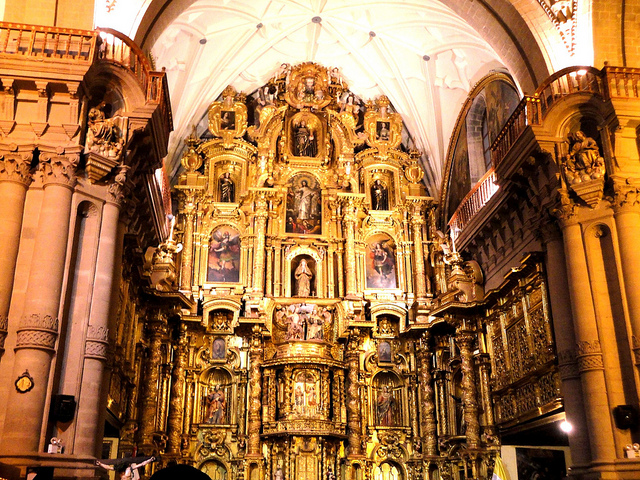
- The Cathedral – This is the most important and imposing colonial church in the city. It is located right in front of Plaza de Armas and features Andean Baroque architecture typical of the colonial era. Inside, you will find liturgical treasures made of gold and silver, as well as paintings created by the Cusco School of Art. It also has a museum where you can discover more about this incredible place.
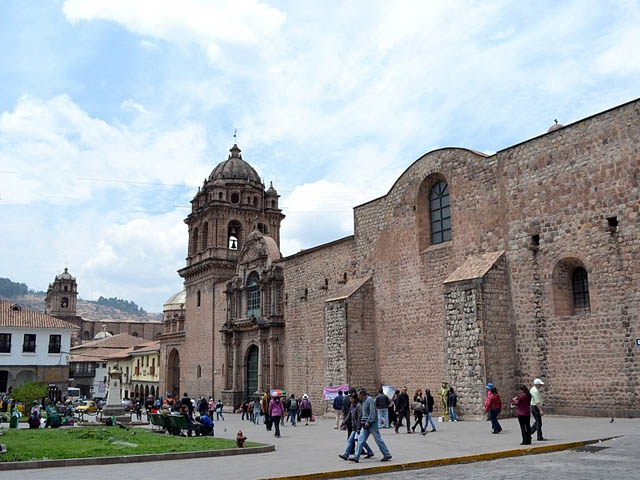
- The Church of the Society of Jesus – Another colonial church in Plaza de Armas is the Church of the Society of Jesus. It boasts Baroque architecture that stands out for its solidity and stone façade. Inside, you will find treasures such as paintings, altarpieces, choir stalls, statues, and liturgical adornments made from gold, silver, and precious stones.
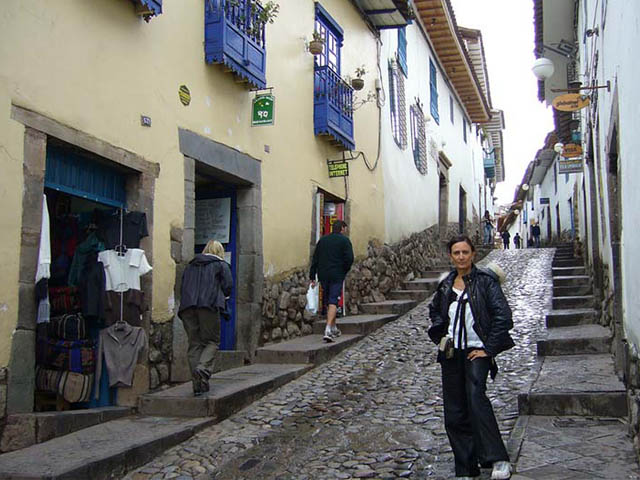
- Hatun Rumiyoc Street (Stone of the 12 Angles) – This street is famous for the numerous handicraft stores around it. But, most importantly, it is home to the massive stone wall that was part of the palace of Inca Roca. This wall features the ‘Stone of the 12 Angles,’ a carefully polished rock with twelve corners that fit perfectly into its surroundings.
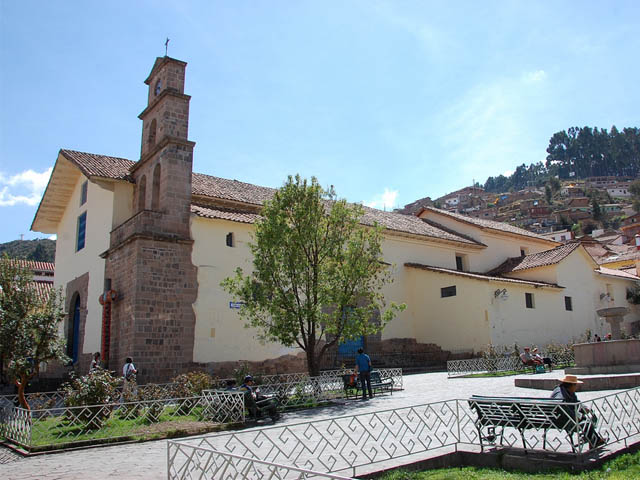
- San Blas Neighborhood – If you continue up Hatun Rumiyoc Street, you will arrive at the San Blas neighborhood, famous for being home to Cusco’s most talented artisans. This neighborhood is also a meeting point for young adventurers and ‘backpackers’ from all over the world. As you stroll through it, you will get to know its small square, viewpoint, the local church, and many businesses that preserve colonial architecture with Inca foundations, all offering incredible views of the city.
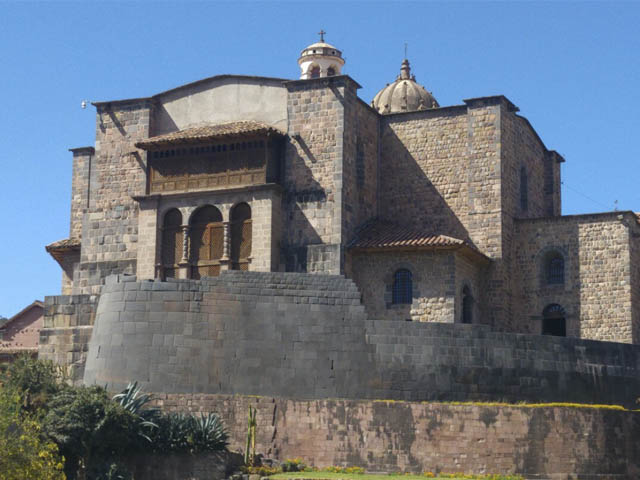
- The Coricancha – This temple was the most important religious site of the Tahuantinsuyo Empire. It was dedicated to the Sun “Inti” and many other deities of great importance to the Incas. During the 16th century, in the Spanish invasion, the Coricancha was looted and largely destroyed to build the Church and Convent of Santo Domingo on top, which still stands today over Inca foundations.
- Museums – As you explore the Historic Center, you can visit the best museums in the city of Cusco, among the most notable are: the Museum of Pre-Columbian Art, the Inka Museum, the Regional Historical Museum, the Qoricancha Site Museum, the Contemporary Art Museum, the Machu Picchu Casa Concha Museum, and the Archbishop’s Palace of Cusco.
- Convents – Another attraction of the Historic Center is its numerous convents, which you can visit on a historical tour. The main ones include: the Santa Catalina Monastery, the Convent of Santo Domingo, the Convent of San Francisco de Asís, and the Convent of La Merced. All of these are within short walking distance, so you can visit them in one single tour.
- Squares – The center also stands out for its squares and small plazas, perfect for resting after each walk. The most important ones are: Plaza de San Blas, Plaza Regocijo, Plaza San Francisco, Plaza Nazarenas, Plaza San Pedro, Plaza Espinar, Plaza San Teresa, and Plaza Santa Ana.
- Traditional Neighborhoods – The neighborhoods of Cusco bring color and tradition to the Historic Center, as they have been inhabited since Inca and colonial times. Among the most notable are: the San Blas neighborhood, the San Cristóbal neighborhood, the Santa Ana neighborhood, and the San Pedro neighborhood.
- Historical Streets – The streets of Cusco are filled with history, art, and exceptional architecture. From Plaza de Armas, you can see most of them, with some of the most important being: Hatun Rumiyoc, Siete Angelitos, Siete Culebras, Loreto, Cuesta de San Blas, Cuesta del Almirante, Amargura, and Resbalosa.
- Churches – Each important square or neighborhood in the Historic Center has its own church or temple, perfect for discovering more about the city’s religious and artistic heritage. These include: Church of San Cristóbal, Church of San Blas, Church of the Triunfo, Church of the Society of Jesus, Church of San Francisco, Temple of Santa Clara, Church of San Pedro, Church of Santo Domingo, and the Basilica of La Merced.
Historic Center of Cusco
Tourist Services
- During your visit to the Historic Center of Cusco, you will find various types of services, such as: hotels, restaurants, bars, cafeterias, fast food outlets, nightclubs, agencies, currency exchange services, banks (ATMs), museums, public restrooms, parking lots, internet services, telephone services, photography centers, taxis, and more.
- Don’t forget that Cusco has one of the most incredible nightlife scenes in South America. The Historic Center is where most of the city’s tourist nightclubs and bars are located.
Tips for Your Visit to Cusco
- The Historic Center is the safest area in Cusco. The police patrol the area at all times, and there are security cameras in many places. Don’t be afraid to walk through its streets at night.
- There are many colonial churches in the Historic Center, such as: the Church of the Society of Jesus, the Church of La Merced, the Church of Santo Domingo, the Church of San Blas, the Church of San Pedro, the Cathedral, and more. Visiting all these churches is free during Mass hours (usually Saturdays and Sundays at 7 am and 7 pm).
- The majority of tourism agencies in Cusco are located in the Historic Center, where you can book tours to Machu Picchu, the Sacred Valley, Rainbow Mountain, and more. You can also book tours in advance online.
- Cusco has only two seasons: the rainy season (November to March) and the dry season (April to October). It will depend on your preferences when you decide to visit, as each season has its advantages.
- Visiting most of the tourist attractions in the Historic Center of the city is possible with the Cusco Tourist Ticket, or you can purchase individual tickets at the entrance of each destination.
Frequently Asked Questions about the Historic Center of Cusco
1) What is the Historic Center of Cusco?
The Historic Center is the historical and cultural heart of Cusco, where the main Inca and colonial buildings of the city are concentrated. Here, you can walk through ancient streets, squares, and neighborhoods that preserve the city’s historical and traditional legacy, all in one journey.
2) Why is the Historic Center of Cusco so important?
Because it was the capital of the Tahuantinsuyo Empire and later the political and religious center during the colonial period. This cultural blend has given it unique historical value, recognized by UNESCO as a World Heritage Site.
3) What type of architecture can I see in the Historic Center?
You can appreciate a unique mix of Inca and colonial architecture. Many colonial buildings were constructed over Inca walls and foundations, creating a very special aesthetic that is not found in any other city in the world.
4) What are the main attractions in the Historic Center?
The main attractions we recommend visiting in the Historic Center are: Plaza de Armas, the Cathedral, the Church of the Society of Jesus, Hatun Rumiyoc Street with the Stone of the 12 Angles, San Blas neighborhood, and the Coricancha temple.
5) Is it possible to explore the Historic Center by walking?
Yes, walking is the best way to explore. Most of the attractions are within walking distance, allowing you to enjoy the journey at your own pace and appreciate every architectural and cultural detail.
6) Is it safe to visit the Historic Center of Cusco?
Yes, it is one of the safest areas of the city. There is constant police presence and security cameras. Even at night, it is a very lively area for tourists and locals alike.
7) What museums can I find in the Historic Center?
You will find some of Cusco’s most important museums, such as the Inka Museum, the Museum of Pre-Columbian Art, the Regional Historical Museum, the Machu Picchu Casa Concha Museum, and the Qoricancha Site Museum.
8) Are there tourist services near the Historic Center?
Yes, the Historic Center is home to hotels, restaurants, cafes, currency exchange offices, banks, tourist agencies, craft shops, and all kinds of services needed by visitors.
9) What is the best time to visit the Historic Center of Cusco?
It will depend on your preferences. The dry season, from April to October, offers sunnier days and is ideal for exploration. The rainy season, from November to March, has fewer visitors and lush green landscapes.
10) Is it worth visiting the Historic Center at night?
Definitely! At night, the Historic Center looks beautifully lit, and it is a great time to enjoy restaurants, bars, and the vibrant nightlife of the city, which is one of the best in South America.
Advice from people who have been there
 By: Fritz D.
“Magnificent“
“There are several beautiful churches to visit, plus many restaurants and places to buy souvenirs. The food is excellent for all tastes. There's a lot of traffic, so it's easier (and nicer) to get around on foot, as nothing is too far. The only annoying thing was the dozens of street vendors trying to sell us overpriced products. They're everywhere.“
By Ticket Machu Picchu – Last updated, February 3, 2026