10 best tourist attractions of Cusco that few know
Cusco is famous for historic sites such as Sacsayhuaman, Coricancha, Ollantaytambo, and especially Machu Picchu. However, the capital of the ancient Inca Empire holds many other treasures that often go unnoticed. Sites like Pisac, Chinchero, Choquequirao, Maras, Moray, or the Rainbow Mountain are just the beginning. But have you ever heard of Piquillacta, Tres Cruces de Oro, or the mysterious Putucusi Mountain? Discover the 10 most surprising and lesser-known tourist attractions in Cusco.
- The Red Valley of Pitumarca
- Palcoyo Rainbow Mountain
- Tres Cruces de Oro: the most beautiful sunrise in the world
- Putucusi Mountain: seeing Machu Picchu for free is possible
- Huasao Wetland: Groot and the Lord of the Rings in Cusco
- Lares Hot Springs
- Humantay Lagoon
- Cocalmayo Hot Springs
- Piquillacta: the pre-Inca city in Cusco
- The Inca Bridge of Q’eswachaka
- Frequently Asked Questions
The Red Valley of Pitumarca
The Vilcanota mountain range, south of Cusco, is home to incredible natural attractions. The most well-known of all is the Rainbow Mountain (5,200 meters above sea level). However, very few visitors know about the so-called ‘Red Valley of Pitumarca,’ a natural landscape located nearby. It’s a high-altitude adventure, but the vast expanse of the natural site will allow you to enjoy a more intimate and immersive experience.
The slopes and peaks of this site are tinged with red due to a mineralization process that took place millions of years ago. Although the ‘Red Valley’ is a new attraction, it is estimated that it already receives 500 visitors per day.
How to get there? – From the city of Cusco, it takes a 3-hour journey to the village of Pitumarca. From there, a 2 to 3-hour hike takes you to the Red Valley.
How much does it cost? – Tours to the Red Valley usually include a visit to Rainbow Mountain. The approximate cost is 60 dollars.
| FEATURES OF THE RED VALLEY OF PITUMARCA | |
|---|---|
| Location | District of Pitumarca, province of Canchis |
| Altitude | 5,200 meters above sea level |
| Features | Mountains with reddish hues due to high mineral concentration. |
| Access | From Cusco, travel 3 hours to Pitumarca. From there, a hike of about 1 hour leads to the main viewpoint. |
| Ideal for | Photography, hiking, and Andean nature. |
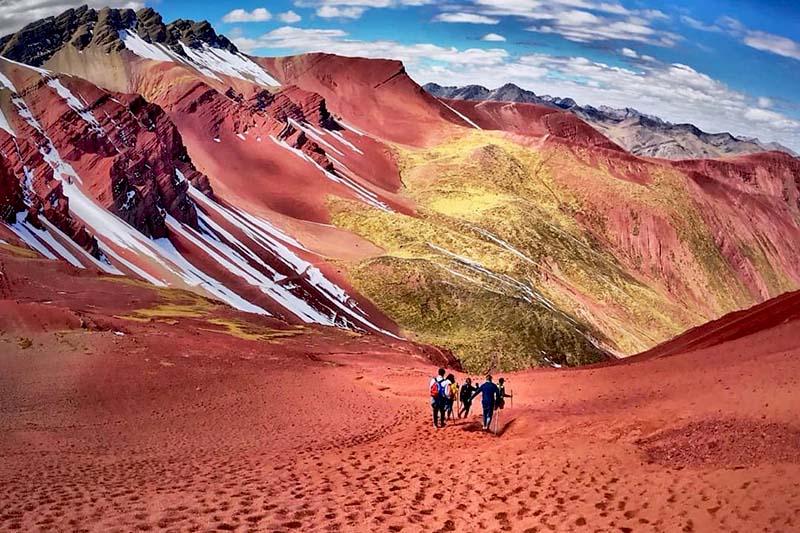
Tourists in the Red Valley of Pitumarca
Palcoyo Rainbow Mountain
Palcoyo Rainbow Mountain (4,900 meters above sea level) is a peak painted in several colors, very similar to Vinicunca. It is located close to the Ausangate snow-capped peak and is one of the new attractions of the Vilcanota mountain range that you can visit along with the classic 7 Color Mountain or the Red Valley.
In Palcoyo, you can also appreciate a naturally formed stone forest. There, llamas, alpacas, viscachas, condors, and other animals are abundant. Despite its beauty, not many tourists visit it yet, so you’ll have a more authentic experience surrounded by dreamlike landscapes.
How to get there? – From Cusco, a 3-hour bus ride takes you to the village of Checacupe. From there, a 1-hour hike begins.
How much does it cost? – Tours are approximately 60 dollars. It is also possible to get there and pay an entrance fee (10 soles for foreigners and 5 soles for Peruvians).
| FEATURES OF PALCOYO RAINBOW MOUNTAIN | |
|---|---|
| Location | District of Checacupe, province of Canchis |
| Altitude | 4,900 meters above sea level |
| Features | Three mountains with natural multicolored stripes. |
| Access | 3 hours and 30 minutes from Cusco by road to Checacupe. The path to the mountain is short and easy, just under an hour in a well-signposted area. |
| Ideal for | Visitors looking for a more peaceful alternative compared to Vinicunca’s Rainbow Mountain. |
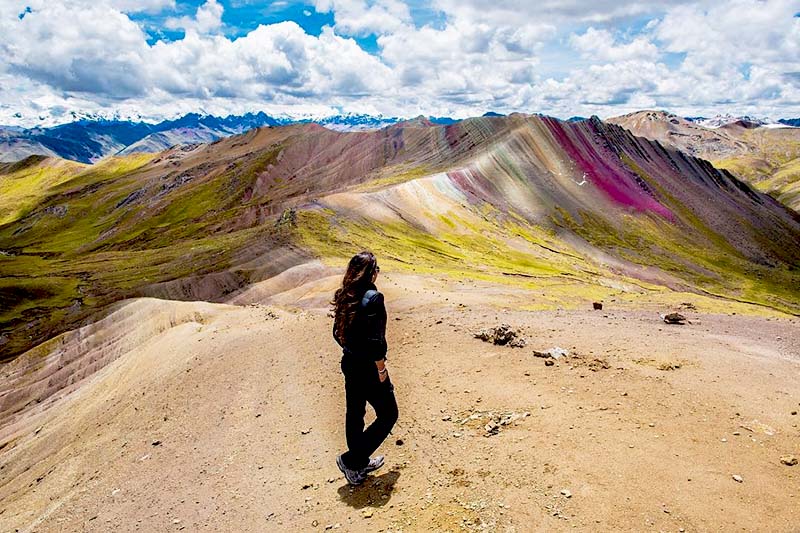
Palcoyo Rainbow Mountain
Tres Cruces de Oro: The Most Beautiful Sunrise in the World
The most beautiful sunrise in the world can be seen from the Tres Cruces de Oro viewpoint, in Paucartambo (Cusco). The place is called ‘Akhanacu’, also known as the ‘Balcony of the East’ because, in the distance, you can see the Manu, in the Peruvian jungle.
This natural spectacle happens every morning during the winter solstice (late June) starting at 4:30 AM. The sky turns red, orange, and shades that seem like a magical act. In Tres Cruces de Oro, the ‘White Ray’ effect occurs, an optical illusion that simulates three suns in the distance.
How to get there? – From Cusco, travel south by bus for 4 hours to the town of Paucartambo. From there, take a private transport to the viewpoint.
How much does it cost? – The tours are 2 days long, cost 100 dollars, and include visits to other tourist sites in the region. If you go on your own, the entrance fee is 10 soles (3 dollars).
| FEATURES OF THE TRES CRUCES DE ORO VIEWPOINT | |
|---|---|
| Location | Paucartambo District, Paucartambo Province |
| Altitude | 3,739 meters above sea level |
| Features | A natural viewpoint where the sunrise creates an optical effect, and you can observe “three suns.” |
| Access | You can reach it by road from Cusco to Paucartambo, and then a short walk leads to the viewpoint. |
| Ideal for | Watching the most stunning sunrise in Cusco. |
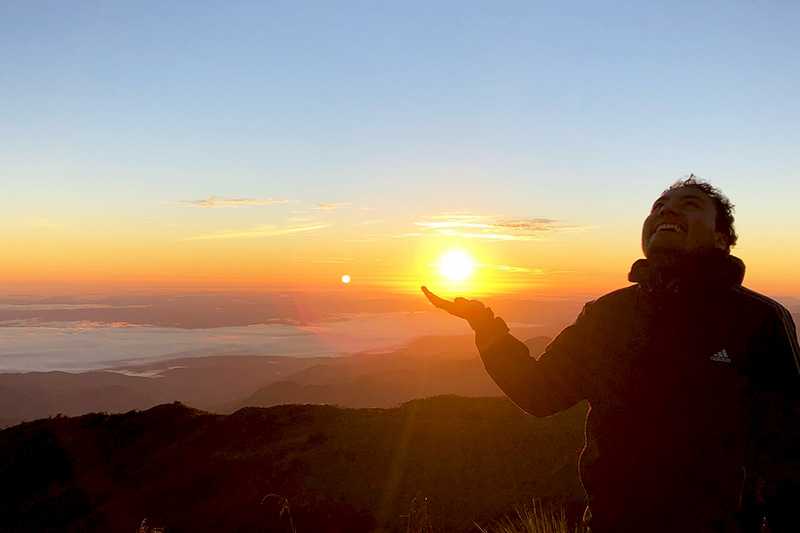
Sunrise at Tres Cruces – Paucartambo
Putucusi Mountain: Seeing Machu Picchu for Free is Possible
Putucusi Mountain (2,560 m.s.n.m.) means ‘Happy Mountain’ in Quechua. Putucusi belongs to the mountain range that surrounds Machu Picchu. There is no known Inca construction, but from its summit, you can see the Wonder of the World in the distance.
Climbing its slopes is an extreme adventure due to the difficult access of its paths. The hardest section is an ascent via a wooden ladder several meters high. This ladder was recently destroyed, so temporary access is not possible.
How to get there? – The access is on foot from the town of Aguas Calientes. Follow the train tracks until you take a path that leads to Putucusi.
How much does it cost? – Access to this mountain is free, but it’s recommended to always check the route’s access status.
| FEATURES OF PUTUCUSI MOUNTAIN | |
|---|---|
| Location | Machu Picchu District, Urubamba Province |
| Altitude | 2,560 meters above sea level |
| Features | Massive mountain with an unparalleled direct view of Machu Picchu. |
| Access | The journey begins in Aguas Calientes (Machu Picchu town) with a subsequent demanding ascent, taking approximately 2 hours to complete, though the route has been closed for some time. |
| Ideal for | Adventurers looking for a challenging and free experience. |
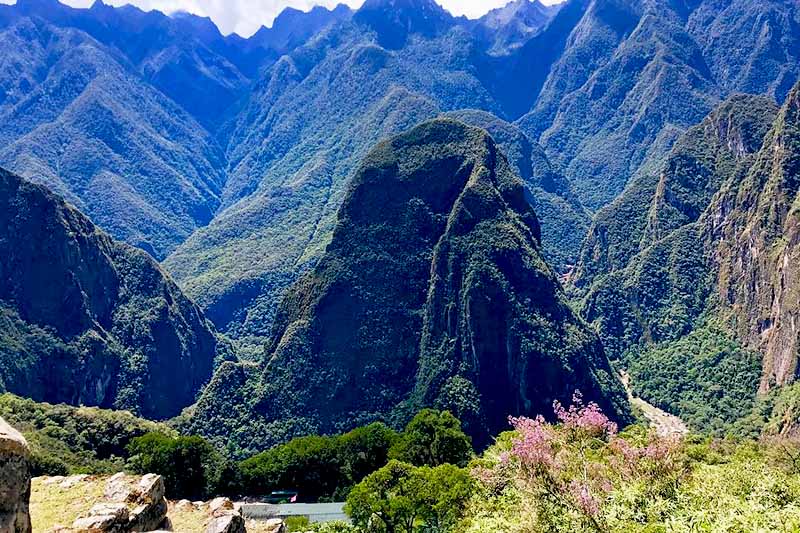
View of Putucusi Mountain in Machu Picchu
Huasao Wetland: Groot and The Lord of the Rings in Cusco
A few kilometers from Cusco, there is a theme park where the characters from ‘Guardians of the Galaxy’ and ‘The Lord of the Rings’ are designed in wood. The Huasao Wetlands is a natural setting where one can escape the city and enjoy nature.
This attraction is located in the district of Oropesa. Not far from there, there is a Jurassic park ideal for visiting with young children. During the visit, you can also enjoy local gastronomy, such as the famous ‘Pan Chuta’ and ‘Roast Pork’.
How to get there? – From the city of Cusco, take buses heading to Oropesa on Avenida De la Cultura. The journey takes about 30 minutes.
How much does it cost? – The entrance fee to the Huasao Wetland is 1.50 soles (0.5 dollars) for adults and 1 sol (0.3 dollars) for children.
| FEATURES OF THE HUASAO WETLAND | |
|---|---|
| Location | Oropesa District, Quispicanchi Province |
| Altitude | 3,150 meters above sea level |
| Features | Giant sculptures inspired by Groot and characters from The Lord of the Rings. |
| Access | Easy access by road from Cusco to the Southern Valley. Many public buses can take you very close to the entrance. |
| Ideal for | Family outings, photography, and nature. |
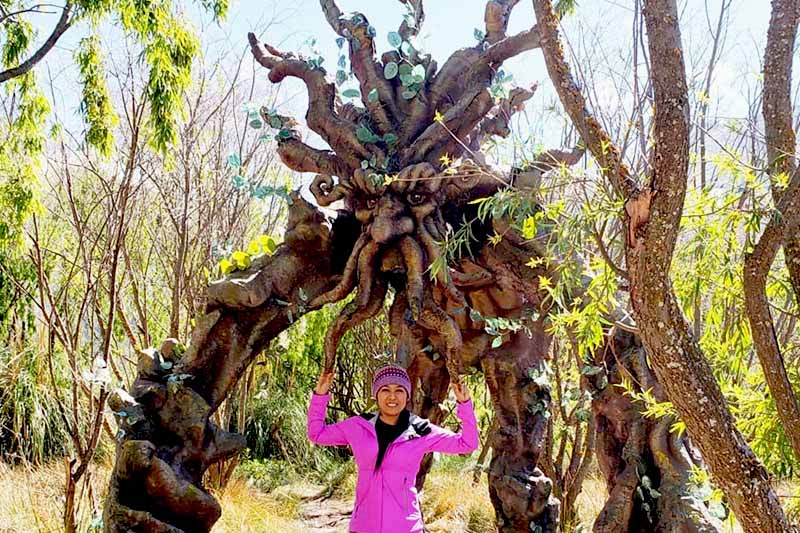
Theme park at Huasao Wetland
Thermal Baths of Lares
The town of Lares is famous for being part of the well-known ‘Lares Trek’ route, which leads to Machu Picchu after a 4-day hike. However, this district is also popular for hosting thermal baths, a relaxation spot surrounded by mountains and rivers.
The thermal baths of Lares have up to 4 pools with natural hot waters ranging from 36ºC to 44ºC. These waters have therapeutic properties that help alleviate conditions such as osteoporosis, arthritis, and muscle problems. Visiting this place also means enjoying walks through nature in a very tranquil setting.
How to get there? – Lares is located 149 kilometers by road from the city of Cusco. The route goes through the town of Calca and then to Lares.
How much does it cost? – The visit is part of the Lares Trek. If you wish to visit independently, the entrance fee is 5 soles (1.5 dollars).
| FEATURES OF THE LARES THERMAL WATERS | |
|---|---|
| Location | Lares District, Calca Province |
| Altitude | 3,250 meters above sea level |
| Features | Natural pools with therapeutic properties. |
| Access | It is reached via the Sacred Valley road, passing through Calca until reaching Lares. |
| Ideal for | Relaxation, nature, and visiting traditional towns. |
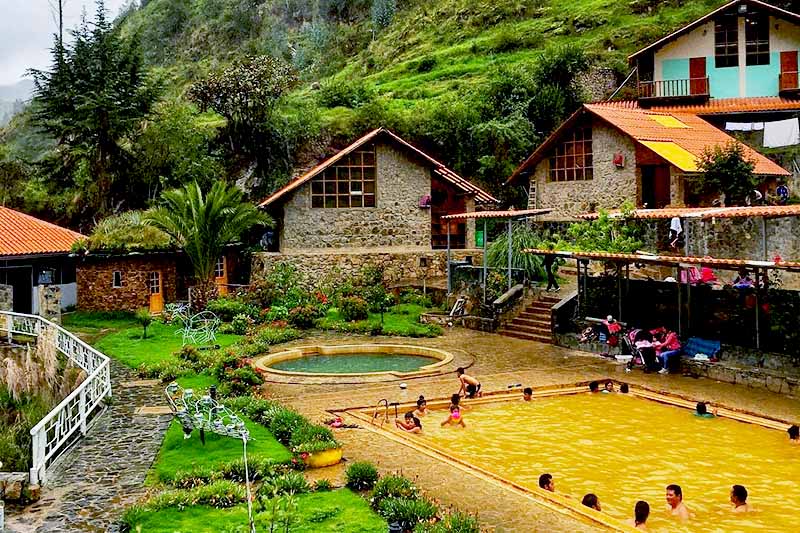
Lares Thermal Baths
Humantay lagoon
Humantay lagoon is undoubtedly one of the most incredible natural destinations in Cusco. This tourist attraction is located at the foot of the snow-capped mountain of the same name, on the way to the “apu” Salkantay. It is one of the most visited tourist sites, making it an unmissable destination.
Getting there is an adventure, passing through high Andean paths surrounded by vast nature, where llamas, alpacas, vizcachas, and other animals can also be seen. The lagoon is surrounded by snowy peaks, offering an unforgettable landscape. Along the way, visitors often leave ‘apachetas’, offerings to Pachamama (Mother Earth).
How to get there? – From the city of Cusco, you can reach Humantay lagoon by bus to the town of Soray Pampa. From there, a 3-hour hike begins to the lagoon.
How much does it cost? – One-day tours cost approximately 40 dollars. It is also possible to reach there independently.
| FEATURES OF HUMANTAY LAGOON | |
|---|---|
| Location | Mollepata District, Anta Province |
| Altitude | 4,200 meters above sea level |
| Features | Turquoise glacial lagoon surrounded by the snow-capped Humantay and Salkantay mountains. |
| Access | You can reach Soraypampa by road, the starting point of the hike, which takes about 2 hours to reach the lagoon. |
| Ideal for | Trekking, photography, and connecting with nature. |
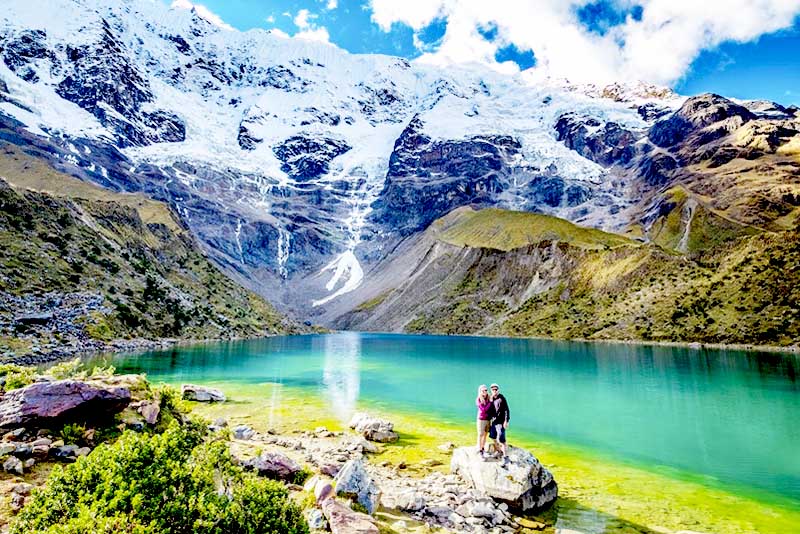
Humantay lagoon
Cocalmayo Thermal Baths
Visitors who reach Machu Picchu via the alternate route through Hydroelectric have the option to relax in the Cocalmayo thermal baths. This natural attraction is located in the town of Santa Teresa, approximately 20 kilometers from Machu Picchu.
The Cocalmayo thermal baths have up to 3 pools with temperatures ranging from 38ºC to 44ºC. The waters are clear and have healing and relaxing properties. This place is surrounded by abundant high jungle nature, providing a unique sense of tranquility.
How to get there? – There are several ways to reach the Cocalmayo thermal baths. The most common way is by taking a bus from Cusco to Santa Teresa (5 hours).
How much does it cost? – Foreign visitors pay 10 soles (3 dollars), and Peruvians pay 5 soles (1.5 dollars).
| FEATURES OF THE COCALMAYO THERMAL WATERS | |
|---|---|
| Location | Santa Teresa District, La Convención Province |
| Altitude | 1,600 meters above sea level |
| Features | Outdoor thermal waters by the Urubamba River, surrounded by high jungle vegetation. |
| Access | You can reach it from the town of Santa Teresa on foot or by mototaxi, on a short and accessible route. You can also reach it from Aguas Calientes or Santa María. |
| Ideal for | Relaxing after visiting Machu Picchu and enjoying the warm weather. |
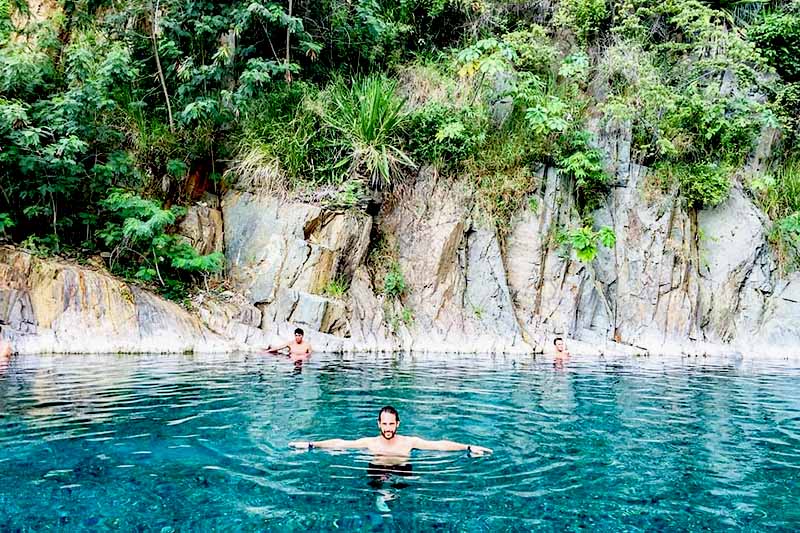
Cocalmayo Thermal Baths
Piquillacta: The Pre-Inca City in Cusco
The archaeological complex of Piquillacta was built by the Wari culture around the year 500. The 50-hectare site contains up to 700 buildings and many construction remnants.
It is estimated that 10,000 people lived there (compared to a maximum of 1,000 in Machu Picchu). Despite its grandeur and historical importance, it is still not very crowded with tourists. Piquillacta is the most significant pre-Inca discovery in Cusco and is surrounded by abundant Andean nature, making it part of the classic South Valley tour.
How to get there? – If traveling independently, take a bus traveling south from Cusco to Piquillacta. Tours include round-trip transportation.
How much does it cost? – Piquillacta is included in the South Valley tour of Cusco, which also covers Tipón and Andahuaylillas. The approximate cost of the tour is 40 dollars.
| FEATURES OF PIQUILLACTA | |
|---|---|
| Location | Lucre District, Quispicanchi Province |
| Altitude | 3,350 meters above sea level |
| Features | Pre-Inca citadel of the Wari culture with perfectly laid streets and walls. |
| Access | It is reached by road through the South Valley. It is part of the tourist circuit alongside Tipón and Andahuaylillas. |
| Ideal for | Archaeological tours, history, and photography. |
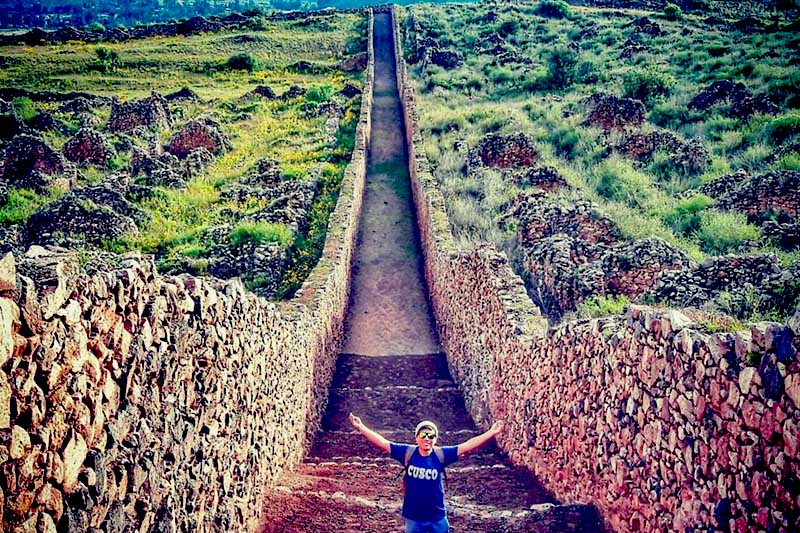
Streets of the pre-Inca city of Piquillacta
The Inca Bridge of Q’eswachaka
Three hours from the city of Cusco, in the town of Qhehue, survives the last Inca bridge known as Q’eswachaka, which was declared an Intangible Cultural Heritage by UNESCO. This bridge, made of ichu (Andean grass), is over 500 years old.
Every second week of June, the residents of nearby communities reconstruct the bridge just as their Inca ancestors did hundreds of years ago. After a 4-day ceremony, the old bridge is replaced with a new one. Visiting it today offers the opportunity to walk through mountains, canyons, and rivers.
How to get there? – From the city of Cusco, take a bus to the town of Combapata. Then, take subsequent buses to the towns of Yanaoca and Quehue, where the bridge is located.
How much does it cost? – One-day tours cost approximately 50 dollars. It is also possible to visit this site independently.
| FEATURES OF THE INCA BRIDGE OF Q’ESWACHAKA | |
|---|---|
| Location | Quehue District, Canas Province |
| Altitude | 3,700 meters above sea level |
| Features | Suspension bridge woven with ichu, reconstructed annually by the local community. |
| Access | It is reached by road from Cusco to Quehue District. From the parking area, a short walk leads directly to the bridge. |
| Ideal for | Cultural tourism and nature. |
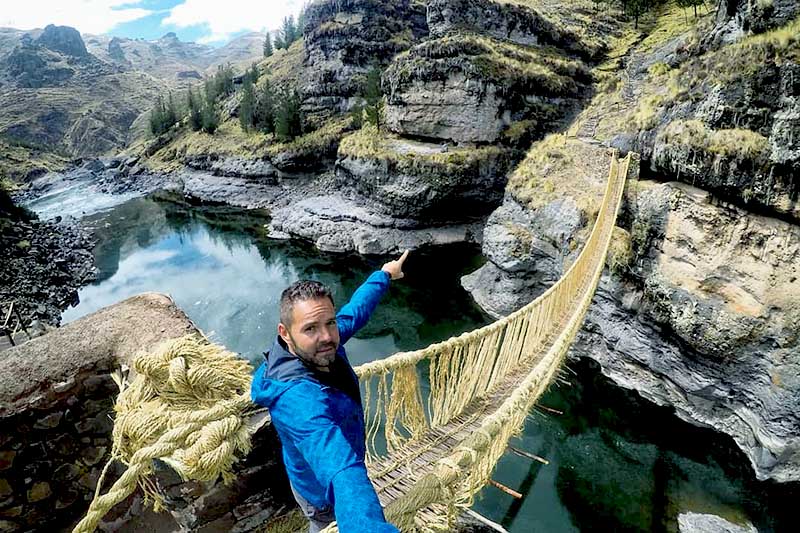
Inca bridge of Q’eswachaka
Frequently Asked Questions
1) What is the best time to visit Cusco?
The best time to travel to Cusco is between April and October, when rainfall is minimal and the days are usually clearer. If you come during the rainy season, it’s recommended to always carry a poncho or waterproof clothing to enjoy each destination.
2) Is it difficult to reach the Red Valley or Humantay lagoon?
Reaching these remote natural destinations requires good physical condition, although you can also rent horses to help you. Before undertaking these treks, it’s important to acclimatize to avoid altitude sickness. Remember to stay hydrated, walk slowly, and rest without hurry.
3) Can I visit all these destinations without a tour?
In most cases, yes, but keep in mind that some destinations require multiple transports. If you want to optimize your time and avoid logistical complications, we suggest booking organized tours, especially for remote natural and archaeological destinations.
4) Is it safe to travel independently to these places?
Yes, Cusco is a very safe region for travelers. During your adventure, always remember to check the status of roads and weather. Remember, you can book your ideal tour with us and forget about organizing the details yourself.
5) Is altitude sickness common?
Yes, since many destinations are at 4,000 to 5,000 meters above sea level, especially in areas like the Palcoyo Rainbow Mountain, Humantay, or the Red Valley. It’s ideal to acclimatize for one or two days in Cusco before undertaking these treks.
6) What attractions are ideal for families with children?
The Huasao Wetland, the Cocalmayo Hot Springs, and the South Valley tour including Piquillacta are excellent options. They are accessible, safe, and allow you to enjoy nature without strenuous physical effort.
7) Which attractions demand more effort?
The Red Valley, Palcoyo Rainbow Mountain, and Humantay lagoon are adventurous experiences. If you seek greater challenges, we recommend alternative routes like Salkantay or the Lares Trek, which combine altitude, nature, and unforgettable hikes.
8) Is it possible to combine several of these places in one day?
Yes, some destinations complement each other well. For example, the Palcoyo Mountain with the Red Valley, or Piquillacta in the South Valley circuit. Consult with our sales advisors to help design an ideal itinerary so you can make the most of your trip to Cusco.
9) Is it worth visiting these destinations if I already know Machu Picchu and the Sacred Valley?
Absolutely, these places offer a more intimate experience, breathtaking landscapes, and a deeper connection with nature and local culture. Many travelers consider them the hidden treasures that complete the unforgettable panorama of Cusco.
10) What are the benefits of booking a tour to these places?
By booking a tour, you ensure safety, transportation, a professional guide, and constant assistance. Additionally, we help optimize your time and provide personalized recommendations to enhance your experience without stress.
By Ticket Machu Picchu – Last updated, January 30, 2026