Archaeological Site of Puca Pucara
Puca Pucara is an Inca archaeological site located on the outskirts of the city of Cusco, which contains various historical structures such as plazas, water channels, enclosures, walls, terraces, and even an ancient Inca road that was part of the Inca road network ‘qhapac ñan’. Its location at the top of a hill allows a wide view of the Cusco valley. How to visit Puca Pucara? Discover more about this place and schedule your visit in your travel itinerary.
- Puca Pucara archaeological site
- Location
- Map of Puca Pucara
- Main constructions of Puca Pucara
- What was its function?
- Visiting hours
- Photos of Puca Pucara
- Tours to visit Puca Pucara
- Puca Pucara without a tour
- Frequently asked questions about Puca Pucara
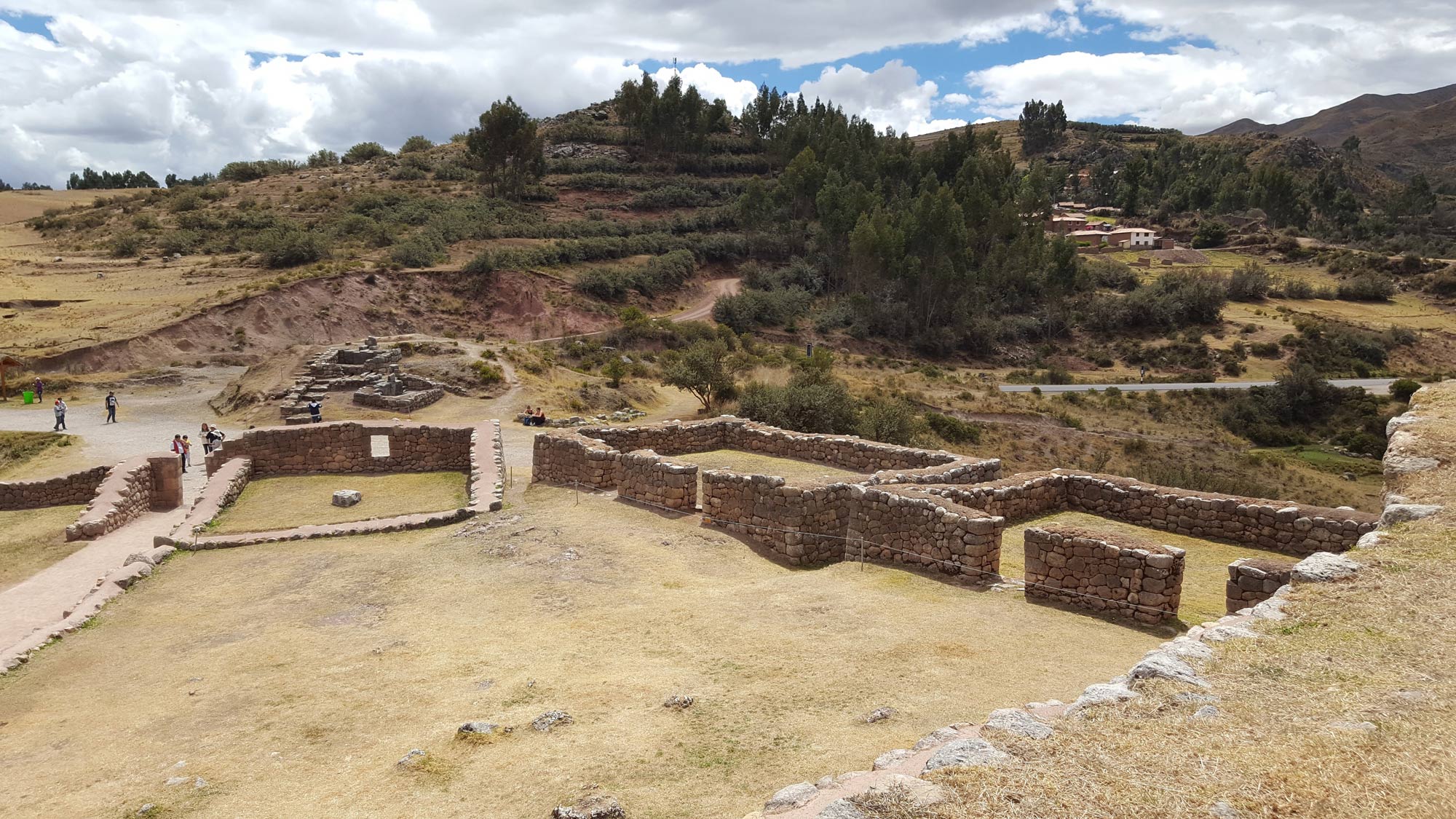
Puca Pucara
Puca Pucara archaeological site
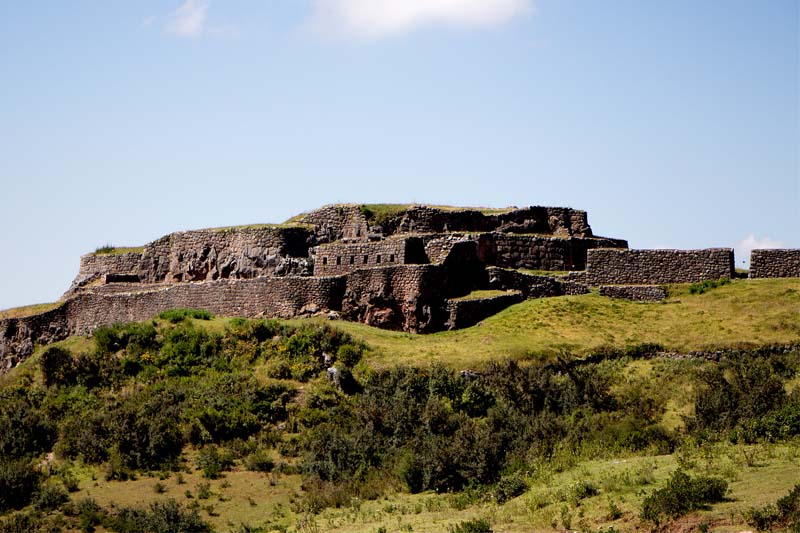
- Puca Pucara is an Inca construction that belongs to the Sacsayhuamán archaeological park. Its function is related to the administrative and military system, since its location makes it ideal as a control and surveillance post.
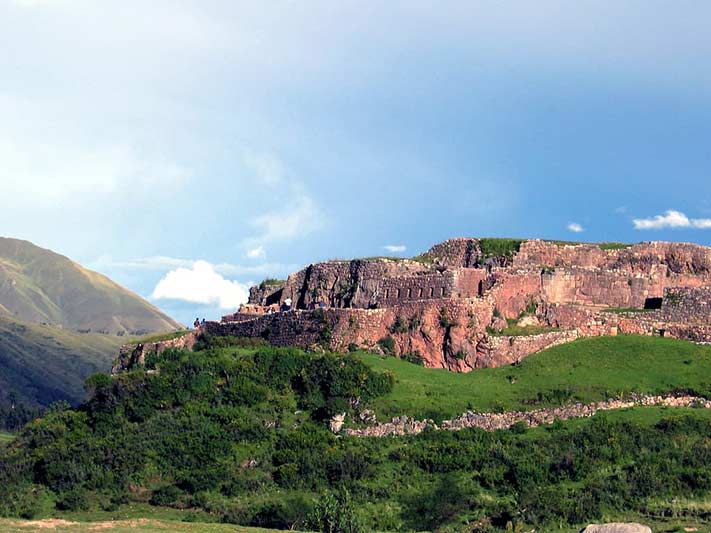
- Its name of Quechua origin means ‘red fortress’, referring to the color of its walls at sunset (due to the high iron content).
- Historical chronicles state that its constructions were initiated by a culture preceding the Incas. Later, during the expansionist era of Emperor Pachacutec (1400 – 1471), they were improved. The Spanish did not damage many of its structures, so they are well preserved.
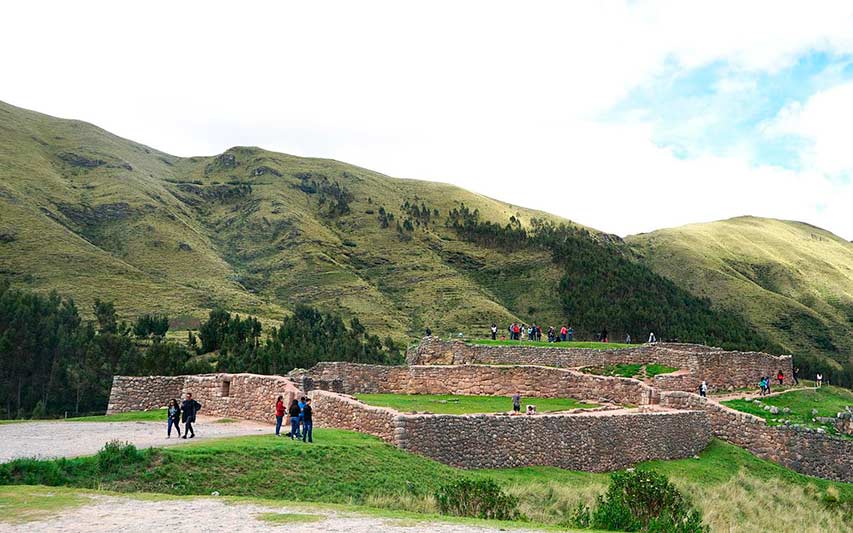
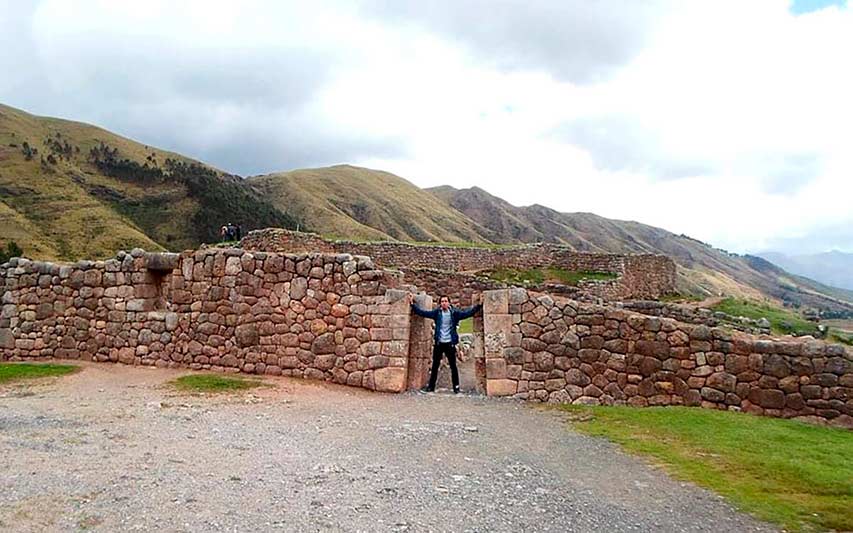
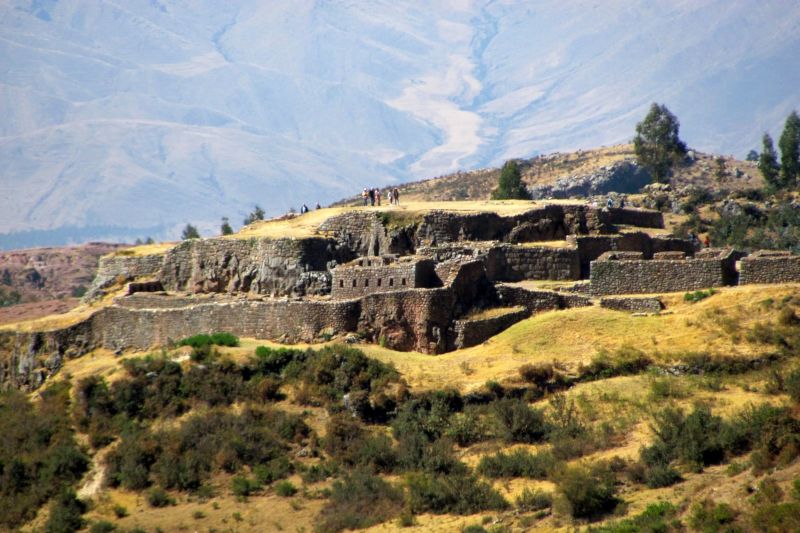
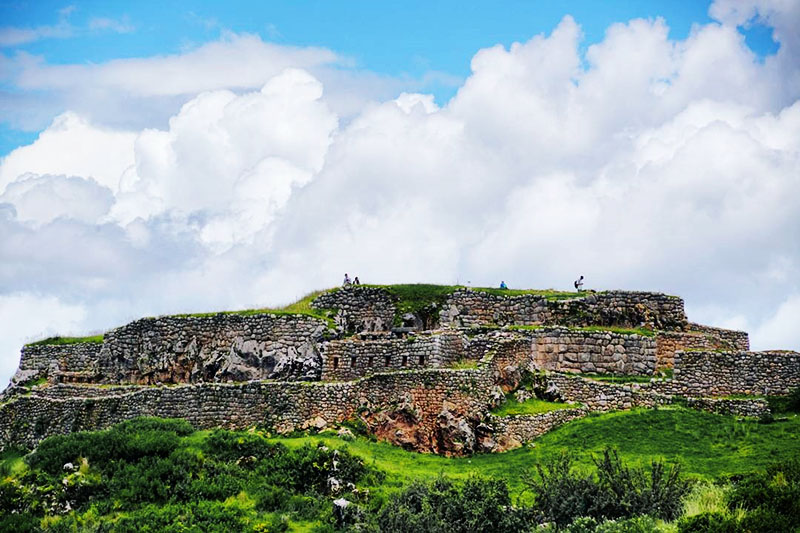
- The structures of Puca Pucara were built with limestone found on site. Unlike other Inca sites, these are medium and small stones joined with great precision. The site features terraces, walls, aqueducts, small plazas, and stairways, which are divided into 3 levels. Each level is accessed via stone stairways.
- Its proximity to other important archaeological sites such as Tambomachay reinforces the idea that Puca Pucara was part of a planned surveillance system protecting the capital of the Tahuantinsuyo, Cusco.
| Main characteristics of Puca Pucara | ||
|---|---|---|
| Characteristic | Description | |
| Name | Puca Pucara (from the Quechua Puka Pukara meaning “red fortress”). | |
| Location | About 9 kilometers northeast of the city of Cusco, on the route to the Sacred Valley. | |
| Approximate altitude | 3,764 meters above sea level. | |
| Construction period | 15th century, during the expansion of the Inca Empire. | |
| Main function | Military center and control post to monitor the roads leading to Cusco. | |
| Structure | Complex of terraces, walls, stairways, plazas, and enclosures. | |
| Relation with other sites | Part of the Sacsayhuamán archaeological park, along with places such as Qenqo and Tambomachay. | |
Location
- The archaeological site of Puca Pucara is located on the upper part of the road leading to Pisac, approximately 9 kilometers northeast of the city of Cusco. Its altitude reaches 3,764 meters above sea level (m a.s.l.).
- It is situated on top of a hill in the Cusco valley, where it also served as a surveillance point for Tambomachay. It is also part of the Sacsayhuamán archaeological park, making it an essential stop on the classic Cusco City Tour.
According to some chroniclers, when the Inca was about to visit the baths of Tambomachay, his entourage composed of soldiers remained at Puca Pucara, which functioned at the same time as a barracks and tambo (resting place). Likewise, there are rumors about the existence of a chincana (tunnel) that served as a communication route between these two important Inca sites. Today, Puca Pucara and Tambomachay are part of the classic Cusco City Tour. Their entrances are only 10 minutes apart on foot.
Main constructions of Puca Pucara
Wall 1
- The first wall of Puca Pucara is located in the lower part of the archaeological site and features a sinuous layout. On the northern end, there are six rooms of different sizes arranged irregularly, while on the west side there is a trapezoidal plaza accessed by an external staircase.
- In its original layout, this plaza was surrounded by buildings. At one end of the site, there is a section of the famous Inca road that crosses Puca Pucara. This path leads to Pisac and was part of the vast road network of up to 30,000 kilometers known as the ‘qhapac ñan’ (royal road).
Wall 2
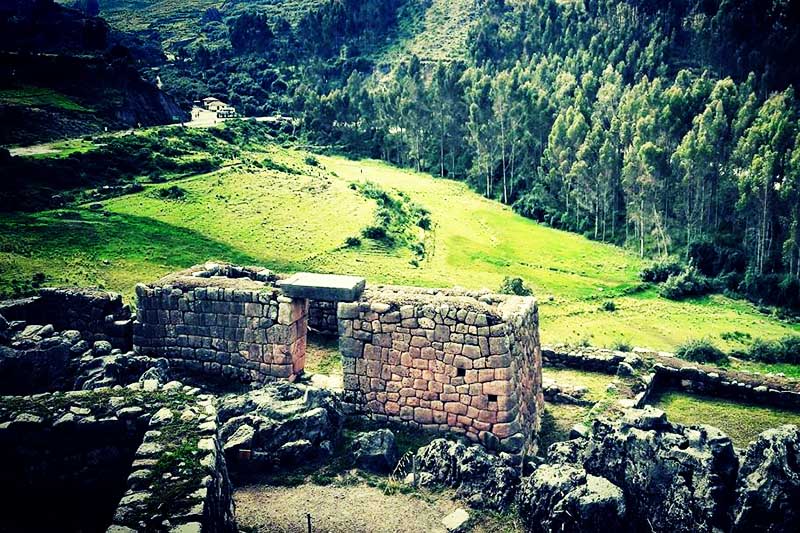
- The second wall complex is accessed via stone stairways from the first wall. This level features wide terraces and gardens located to the south and east of Puca Pucara. At the back of the second wall, there are three rooms, two of which have trapezoidal layouts and the third a rectangular one.
- The second wall is also built with medium and small limestone stones, which have a slight anti-seismic inclination. Because of this, the Puca Pucara complex has remained intact despite several earthquakes over more than 500 years.
Wall 3
- The last wall surrounds the top of the Puca Pucara site and is in ruins, so no trace remains of the buildings that may have existed there.
- This is probably because these walls were built with lower quality materials than those of the first and second levels. From the highest point of Puca Pucara, there is a wide panoramic view of the surrounding landscape.
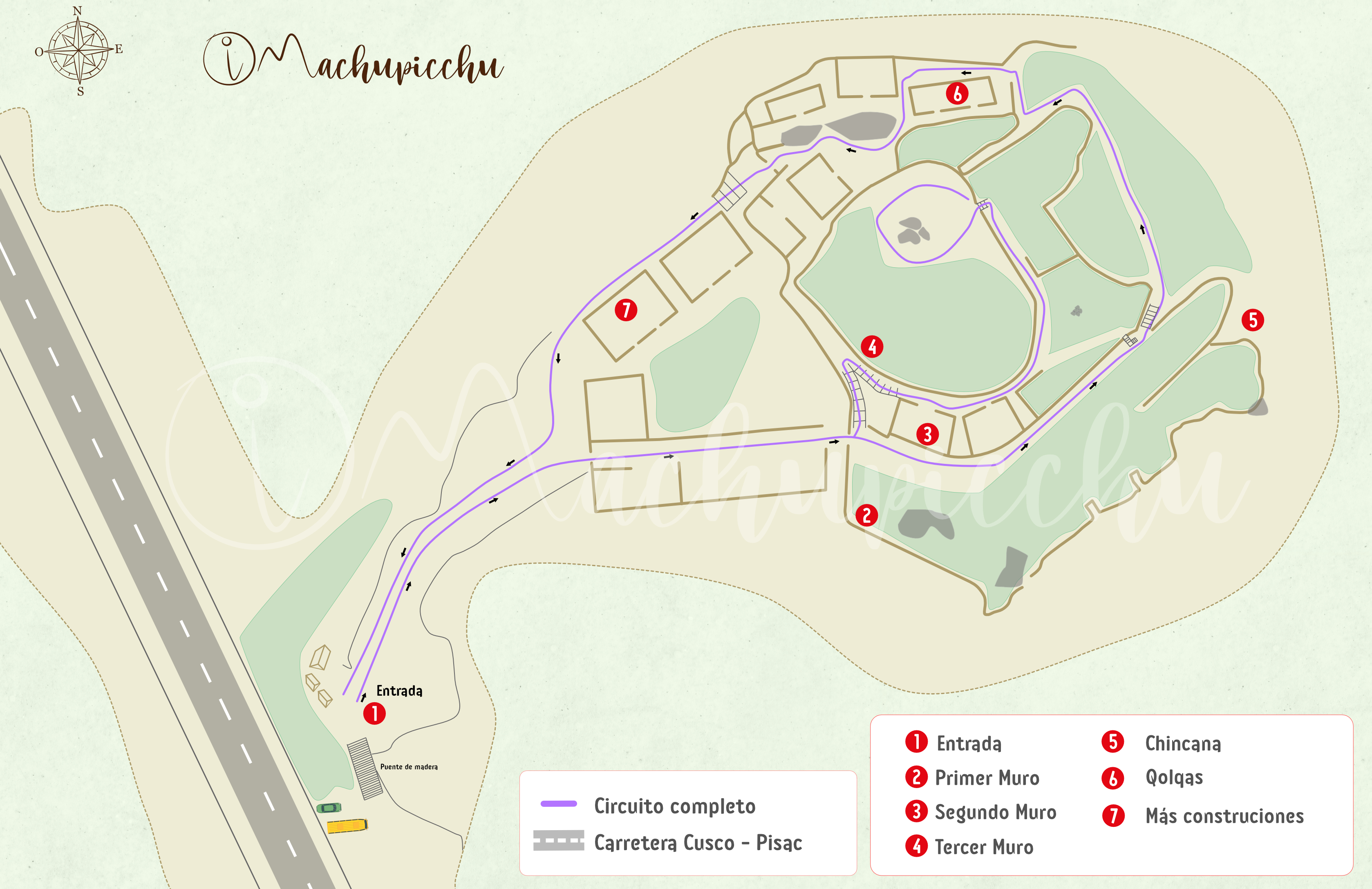
Map of the route at the Puca Pucara archaeological site
What was its function?
- Despite its good state of preservation, the function of Puca Pucara remains uncertain. The presence of a section of the ‘Inca road’ may indicate that it served as a ‘tambo’ or resting place for travelers or Inca troops while the emperor rested in the baths of Tambomachay.
- Some research also suggests that Puca Pucara is located in the area of a ‘huaca’ (places or sacred sanctuaries for the Incas). Because of this, the site was guarded by priests and periodically visited by the Inca himself.
- The main theory about Puca Pucara holds that it was a control and surveillance post, due to its elevated position overlooking paths leading to Cusco.
Visiting hours
- The archaeological site of Puca Pucara is open every day of the year, from 7 in the morning until 6 in the afternoon, like most archaeological sites in Cusco.
- The best time to visit Puca Pucara is early in the morning, when the weather is milder and there are fewer tourists. This also allows it to be visited along with other archaeological sites on the route.
Fotos de Puca Pucara
Tours to visit Puca Pucara
- Visiting Puca Pucara with an organized tour is the best option to explore this archaeological center in detail.
- The Cusco City Tour includes not only the visit to Puca Pucara, but also the cathedral, the Qoricancha temple, and the archaeological sites of Sacsayhuamán, Qenqo, and Puca Pucara.
- This experience includes professional guiding service, full transportation, and entrance tickets to each destination.
- You can book the Cusco City Tour in two time slots: one in the morning (8:30 a.m.) and another in the afternoon (12:30 p.m.). It is a 5-hour experience that allows you to make more plans in the city.
- Booking is very simple and can be done just a few days in advance. It is an ideal activity to help you acclimate to the city’s altitude.
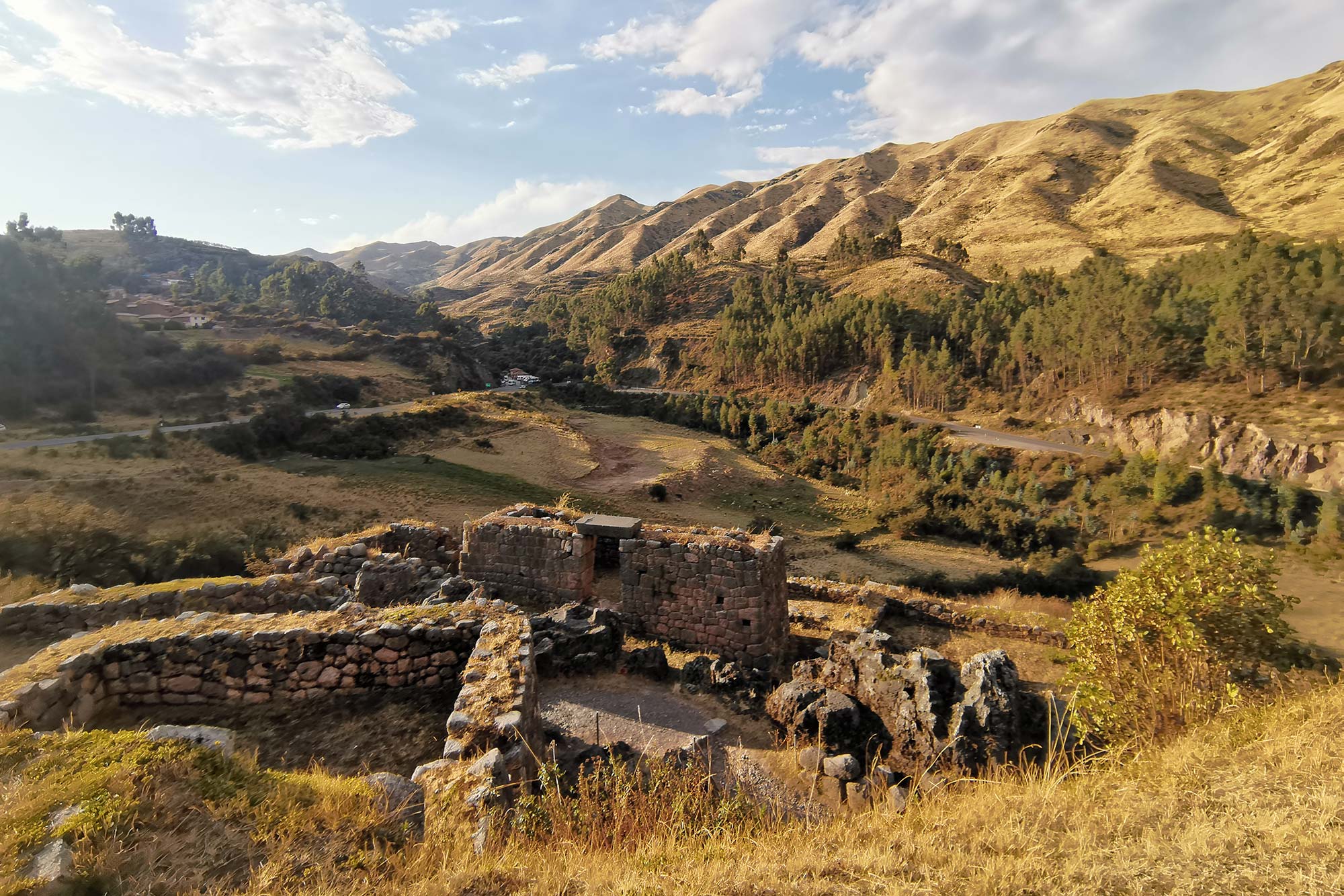
Landscapes from Puca Pucara
Puca Pucara without a tour
- To visit Puca Pucara without a tour, the best option is to purchase the Cusco Tourist Ticket, either in its full version or the partial option for circuit 1.
- You can buy the ticket at the offices on El Sol Avenue 103, just a few steps from the Plaza de Armas.
- The partial circuit 1 option includes entrance to Puca Pucara, Sacsayhuamán, Qenqo, and Tambomachay, destinations located very close to each other.
- On the other hand, the full ticket allows access to ten archaeological sites, five museums, and one cultural center, including Puca Pucara.
- The cost of the full Tourist Ticket is 130 soles (43 US dollars), while the partial option costs 70 Peruvian soles (23 US dollars). You can purchase this ticket at the ticket offices of the archaeological sites or buy it in advance online.
Frequently asked questions about Puca Pucara
1) Is it dangerous to visit Puca Pucara?
No. The archaeological site is completely safe. It has wide paths and well-defined stairways. Altitude sickness may cause some discomfort to visitors, so it is recommended to drink plenty of water.
2) What should I bring for the trip?
It is recommended to bring: a rain poncho, sunscreen, mosquito repellent, a cap (or hat), comfortable clothing, walking shoes, snacks, rehydration drinks, extra cash, and identification documents.
3) Can I find tour guides at the entrance of the archaeological site?
Yes. At the entrance of Puca Pucara, you can find tour guide services. However, most visitors choose to go with a City Tour, which already includes a tour guide.
4) Is there public transportation to get there?
You can reach Puca Pucara by public transportation from the ‘Rosaspata’ stop in the city of Cusco. The cost of the trip is only 1 Peruvian sol. You can take the service called ‘Señor del Huerto’.
5) What is the weather like?
The weather in Puca Pucara is mild and cold, with temperatures ranging from 22ºC to 3ºC (at night). Most visitors go in the afternoon or early in the morning when the weather is milder.
6) When should I go?
According to experts, the best time to visit is during the dry season (from April to October). During these days, rain is not frequent and the days are sunnier, allowing tourists to explore without inconvenience.
7) What other nearby places can I visit?
Tambomachay is just a few steps from Puca Pucara, making it the closest option. Other alternatives include visiting Qenqo and the Sacsayhuamán fortress. Entrance to all these places is included in the ‘Cusco Tourist Ticket’.
8) How much time is needed to explore Puca Pucara?
A visit to the Puca Pucara archaeological site usually lasts between 30 and 45 minutes. This is enough time to explore its terraces, observe the main structures, and enjoy the panoramic views of the landscape.
9) Can I visit Puca Pucara without booking a tour?
Yes, it is possible to visit Puca Pucara on your own using the Cusco Tourist Ticket. It is a great option if you prefer to explore the archaeological sites at your own pace.
10) Is it necessary to visit Puca Pucara during a trip to Cusco?
Yes. Visiting Puca Pucara allows you to learn about one of the strategic points of the ancient Inca Empire. In addition to its historical value, the site offers a privileged view of the Cusco valley.
Advice from people who have been there
 By: Tyler A.
“Perfect for a quick stop with great views“
“It’s a small site, but it’s worth stopping for a few minutes. There are fewer people, and you can enjoy the scenery at a relaxed pace.“
By Ticket Machu Picchu – Last updated, April 15, 2026