Traveling to Cusco: Everything You Need to Know to Plan Your Visit
If you have planned to visit Peru, you cannot miss the beautiful city of Cusco. The ancient Inca capital is a ‘Cultural Heritage of Humanity’ and one of the most attractive places for tourists from all over the world. Among its main attractions are: the archaeological site of Sacsayhuaman, the Qoricancha Temple, the Sacred Valley of the Incas, the Rainbow Mountain, and, of course, the Inca citadel of Machu Picchu.
- Do I need a visa for my trip to Cusco, Peru?
- Which tickets should I book for my trip to Cusco?
- When is a good time to visit Cusco?
- What to do once in Cusco?
- What to bring?
- Can I suffer from altitude sickness in Cusco? How to avoid it?
- What are the main tourist attractions for a trip to Cusco?
- Necessary information you should know about your trip to Cusco
- Frequently Asked Questions
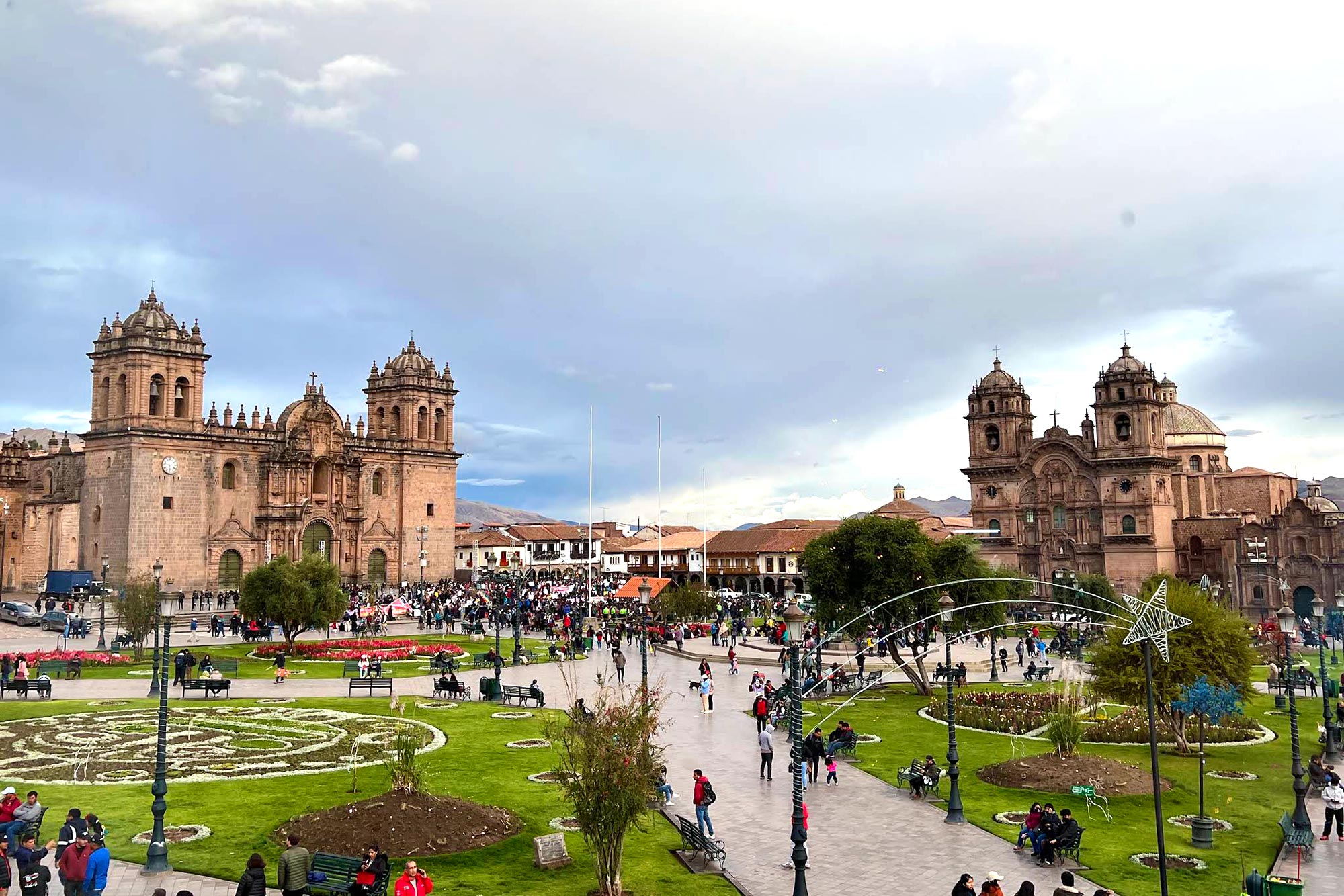
Cusco Main Square
How to organize a 4-day trip to Cusco?
The best 4-day travel plan starts as follows: Day 1, a half-day city tour to acclimate to the altitude; Day 2, a tour of the Sacred Valley, where you will visit places like Pisac, Ollantaytambo, and Chinchero; Day 3, a full day at Machu Picchu; Day 4, tour to Rainbow Mountain. If you want to add more destinations to your trip, Humantay Lake and the Southern Valley are equally impressive options.
Do I need a visa for my trip to Cusco, Peru?
- Citizens of Latin America, United States, Canada, European Union, Japan, South Africa, Australia, or New Zealand do not need a VISA to enter Peru.
- Visitors who do not belong to these countries must have a VISA to enter Peru.
- However, all visitors must have a valid passport and a tourist card, which they will receive upon arrival in Peru. This card is valid for 90 days and must be returned upon leaving the country.
- Check in detail which countries need a VISA to visit Cusco and Machu Picchu in Peru.
Which tickets should I book for my trip to Cusco?
- Cusco is a city packed with archaeological, historical, and natural attractions. Most of them have their own entrance ticket, but some are part of a tourist circuit.
| MAIN TICKETS FOR TOURIST ATTRACTIONS IN CUSCO | ||
|---|---|---|
| Ticket type | Included attractions | Key notes |
| Cusco Tourist Ticket – Full Pass | Sacsayhuamán, Qenqo, Puca Pucara, Tambomachay / Pisac, Ollantaytambo, Chinchero, Moray / Tipón, Piquillacta, Contemporary Art Museum, Regional Historical Museum, Qoricancha Site Museum, Monument to Inca Pachacútec, Qosqo Center of Native Art | This is the most complete ticket to visit some of the city’s attractions. It is valid for 10 days. |
| Cusco Tourist Ticket – Circuit I | Sacsayhuamán, Qenqo, Puca Pucara, Tambomachay | Lasts 1 day. Ideal for the City Tour. |
| Cusco Tourist Ticket – Circuit II | Tipón, Piquillacta, Contemporary Art Museum, Regional Historical Museum, Qoricancha Site Museum, Monument to Inca Pachacútec, Qosqo Center of Native Art | Lasts 2 days. Recommended to explore the Southern Valley and the main museums in the city. |
| Cusco Tourist Ticket – Circuit III | Pisac, Ollantaytambo, Chinchero, Moray | Lasts 2 days. Perfect for tours through the Sacred Valley. |
| Machu Picchu Ticket | Entry to the Historic Sanctuary of Machu Picchu | There are 10 types of tickets and 3 tour circuits. |
| Inca Trail Entry | Entry to the historic hiking trail leading to Machu Picchu | Duration of 4 days and 3 nights, walking through trails surrounded by nature. |
| Community-managed entries (Paid on site) | Humantay Lake, Rainbow Mountain, Palcoyo Mountain, Red Valley | Managed by local communities; payment is made directly at the control points. |
When is a good time to visit Cusco?
- The best time to visit Cusco is during the dry season (between May and October). The weather features sunnier days with clear skies, ideal for excursions or outdoor adventures.
- Another reason this season is preferred by visitors is the cultural events. For example, in June you can witness Inti Raymi (the most important Inca festival honoring the sun), Corpus Christi, and Cusco’s jubilee celebrations.
- However, visiting Cusco and Machu Picchu during the rainy season (November to April) also has its benefits.
- During these months, prices are lower, the landscapes are greener, and fewer people visit the tourist attractions in Cusco. This allows for a more immersive experience, seeing completely different scenery.
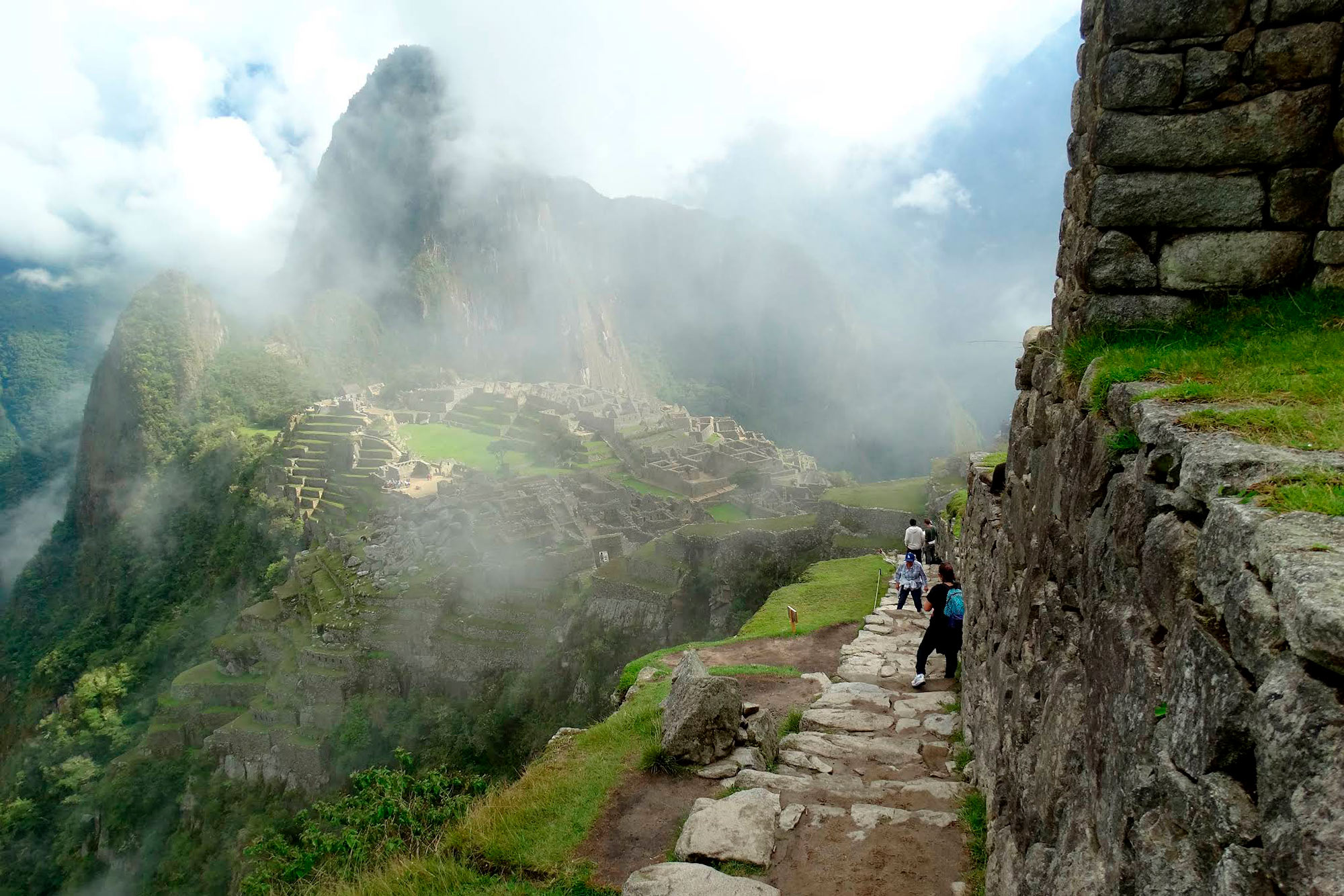
Machu Picchu rainy season
Recommendations for the high season
Traveling to Cusco during the high season means you need to make reservations well in advance, especially for: Machu Picchu entrance tickets, train tickets to Aguas Calientes, plane tickets, hotels, Cusco tourist ticket, tour guides, and additional tours. Remember that this is the season with the highest demand and tourist influx. If you prefer a quieter experience with shorter notice for bookings, the rainy season is a great alternative.
What to do once in Cusco?
- When you arrive in Cusco, the first thing you should do is acclimate, especially if you come from locations near sea level. The city of Cusco is situated at 3,399 meters (11,150 feet) above sea level. Engaging in light activities, eating healthily, and staying well hydrated helps prevent altitude sickness.
- Most accommodations are located near the Historic Center of the city. However, staying in the Sacred Valley is also a great option, as it is at a lower altitude.
- As part of your first-day itinerary, you can explore Cusco through the City Tour, a half-day tour covering: the Cathedral, the Qoricancha Temple, and the archaeological sites of Sacsayhuamán, Qenqo, Puca Pucara, and Tambomachay.
- The following days can be dedicated to exploring the Sacred Valley and mainly Machu Picchu.
- Finally, once fully acclimated, you can travel to higher-altitude destinations such as Rainbow Mountain or Humantay Lake.
What to bring?
- Bring only the absolute essentials. This way, you will feel “lighter” and can move more freely among the many tourist attractions Cusco offers.
- No matter the time of year, bring a raincoat and a warm jacket. Nights in Cusco can be colder, especially during the dry season (April to October).
- These are the basic items you should bring:
- Warm clothing (for nights).
- Light clothing (for daytime).
- Sun protection.
- Hat.
- Rain poncho.
- Insect repellent.
- Hiking shoes.
- Passport or ID.
Can I suffer from altitude sickness in Cusco? How to prevent it?
- Altitude sickness (also called “soroche”) is a normal reaction of people to the low oxygen levels in high-altitude areas like Cusco.
- Symptoms vary from person to person, and the most common are: nausea, headache, dizziness, fatigue, shortness of breath (especially with physical effort), loss of appetite, rapid pulse, and drowsiness.
- To better prevent the symptoms of altitude sickness, it is recommended to drink plenty of water (especially coca leaf infusions). It is also advised to avoid fatty foods and alcoholic beverages.
- Some visitors choose to spend the night in a hotel in the Sacred Valley (for example, in the town of Urubamba), which is at a lower altitude than Cusco city. This also allows for easier exploration of the Sacred Valley.
What are the main tourist attractions on a trip to Cusco?
- Cusco offers a great diversity of tourist attractions, from archaeological to historical and natural destinations. Machu Picchu is the main attraction, receiving nearly 1.5 million visitors each year. Among the highlights, you can visit:
| MAIN ATTRACTIONS IN CUSCO | |||
|---|---|---|---|
| Attraction | Location | Approximate time from Cusco center | What you will see |
| Sacsayhuamán | Northern zone of Cusco | 15 minutes by car | Archaeological fortress with natural viewpoints over the entire city. |
| Qenqo | Northern zone, near Sacsayhuamán | 20 minutes by car | Archaeological site next to a vast queuña forest. |
| Puca Pucara | Outskirts of Cusco | 25 minutes by car | Archaeological fortress with valley views. |
| Tambomachay | Outskirts of Cusco | 30 minutes by car | Ceremonial archaeological site dedicated to water. |
| Qoricancha – Temple of the Sun | Historic center of Cusco | 5 minutes walking | Site museum of the most sacred temple of the Inca Empire. |
| Cusco Cathedral | Plaza de Armas | 5 minutes walking | Baroque art, Cusco school paintings, and colonial architecture. |
| Pisac | Sacred Valley | 45 minutes by car | Archaeological center and traditional town. |
| Ollantaytambo | Sacred Valley | 1 hour 45 minutes by car | Archaeological fortress and town with Inca foundations. |
| Chinchero | Sacred Valley | 1 hour by car | Terraces, colonial temples built on Inca bases, and textile centers. |
| Moray | Sacred Valley | 1 hour 20 minutes by car | Giant circular terraces used as an agricultural laboratory during the Inca era. |
| Maras Salt Mines | Sacred Valley | 1 hour 30 minutes by car | Over 3,000 terraced salt pools on the hillside of a mountain. |
| Rainbow Mountain (Vinicunca) | Phulawasipata community | 3 hours by car + 2 hours walking | Multicolored mountains with Andean landscapes over 5,000 meters above sea level. |
| Humantay Lake | Soraypampa community | 3 hours by car + 2 hours walking | Turquoise lake at the foot of Mount Humantay. |
| Machu Picchu | Aguas Calientes, Machu Picchu Town | 2 hours by car + 2 hours by train + 30 minutes by bus | The Inca city full of temples, terraces, natural viewpoints, and sacred architecture. |

Sacsayhuaman – Cusco
Essential information you should know about your trip to Cusco
Keep the following in mind during your trip to Cusco:
- Cash and credit cards – The official currency in Peru is the Peruvian Nuevo Sol. Most businesses also accept US dollars or euros. Likewise, most stores accept credit or debit cards, although some places, especially small businesses, accept cash only.
- Tips – Leaving tips in Cusco and Peru is not common. However, most tourists choose to tip waiters at restaurants, cafés, and other services. Also, on the Inca Trail it is customary to tip the porters who help carry visitors’ luggage. The amount depends on the quality of service provided.
- Visitor information points – You will find information points upon arriving in Cusco (at bus terminals, train stations, or Alejandro Velasco Astete Airport). There are also tourist information points at Cusco’s Plaza de Armas.
- Inca Trail and Huayna Picchu Mountain – The Inca Trail is a 4-day hike along ancient paths built by the Incas to reach Machu Picchu. To secure a spot on this trek, you must make a reservation 5 months in advance. Similarly, to visit the popular Machu Picchu mountain, Huayna Picchu, you need to reserve an entry ticket 2 months beforehand.
- Language in Cusco – Spanish is the most spoken language in Peru. However, in Cusco many people still communicate in Quechua, the ancient language of the Incas. In the tourism sector, most services are familiar with English, Portuguese, and other languages.
Frequently Asked Questions
1) Do I need a visa to travel to Cusco, Peru?
No, if you are a citizen of Latin America, the United States, Canada, the European Union, Japan, South Africa, Australia, or New Zealand, you can enter without a visa. You only need a valid passport and the tourist card you will receive upon arrival, which is valid for 90 days. Citizens from other countries must obtain a visa before traveling.
2) Which tickets should I book before traveling to Cusco?
It is ideal to secure your entry to Machu Picchu and the main tourist circuits in advance. The Cusco Tourist Ticket covers most archaeological sites, while Machu Picchu, the Inca Trail, Humantay Lake, and Rainbow Mountain require separate tickets. If you already have a defined itinerary, we can help you choose the tickets you need based on your plan.
3) When is the best season to visit Cusco?
The dry season (May to October) offers clear days ideal for excursions, though tourist traffic is higher. If you prefer a more immersive experience with greener landscapes, the rainy season (November to April) is also an excellent option.
4) What activities are ideal for the first day in Cusco?
Remember that upon arrival in Cusco, acclimatization is most important. We recommend resting, staying hydrated, and avoiding heavy meals. In the afternoon, you can take a light walk around the Historic Center or do the City Tour.
5) What activities can I include in my itinerary?
You can start with the City Tour to see the Cathedral, Qoricancha, and nearby archaeological sites. Then, dedicate one day to the Sacred Valley and another to Machu Picchu. If you enjoy hiking, Rainbow Mountain or Humantay Lake are good options for the last days.
6) What should I bring for my trip to Cusco?
Essentials include comfortable clothing, a warm jacket, rain poncho, and suitable hiking shoes. Don’t forget sunscreen, a hat, insect repellent, and your ID. Cusco’s weather can change suddenly, so traveling light but prepared is key.
7) Is it possible to suffer from altitude sickness in Cusco?
Yes, altitude sickness is a common reaction in high-altitude destinations. To reduce symptoms, stay hydrated, avoid heavy meals, and rest on the first day. Some infusions, such as coca leaf tea, are helpful. A good alternative is spending the first night in the Sacred Valley, which is at a lower altitude.
8) What are the main tourist attractions I can visit?
Cusco offers a wide variety of archaeological, cultural, and natural attractions. The most notable include Sacsayhuamán, Qenqo, Pisac, Ollantaytambo, Moray, Rainbow Mountain, Humantay Lake, and of course, Machu Picchu. Each offers unique experiences and landscapes.
9) What if I want to visit less touristy destinations?
Cusco has numerous alternatives off the traditional routes: little-visited viewpoints, artisan communities, short hiking trails, and lesser-known archaeological sites. We can help you choose quieter experiences, ideal if you seek a more authentic visit.
10) Is it safe to travel alone in Cusco?
Yes, Cusco is a safe tourist destination. Still, as in any city, it is important to watch your belongings and follow official guidance on hiking routes. Booking tours, especially for transfers or excursions, ensures a more organized and relaxed experience.
Advice from people who have been there
 By: Steven A.
“Wonderful“
“Planning my trip to Cusco was much easier than I expected. I made sure to book Machu Picchu and other circuit tickets in advance, and I took time to acclimate to the altitude. Thanks to careful planning, I enjoyed every place without rush and discovered amazing corners of the city and surroundings.“
By Ticket Machu Picchu – Last updated, November 19, 2025