Guide to Chinchero, Maras and Moray: the best of the Sacred Valley
The Sacred Valley of the Incas is a succession of incredible landscapes, towns, and stories, each with a special charm where you can be amazed at every moment. Some of the most enchanting places are Maras, Moray, and Chinchero, tourist destinations that are part of a classic route through the valley. Discover how to visit them and live a shared experience filled with history, landscapes, and culture.
- Must-see tour in the Sacred Valley
- Chinchero Archaeological Site
- Moray Circular Terraces
- Maras Salt Mines
- Frequently asked questions
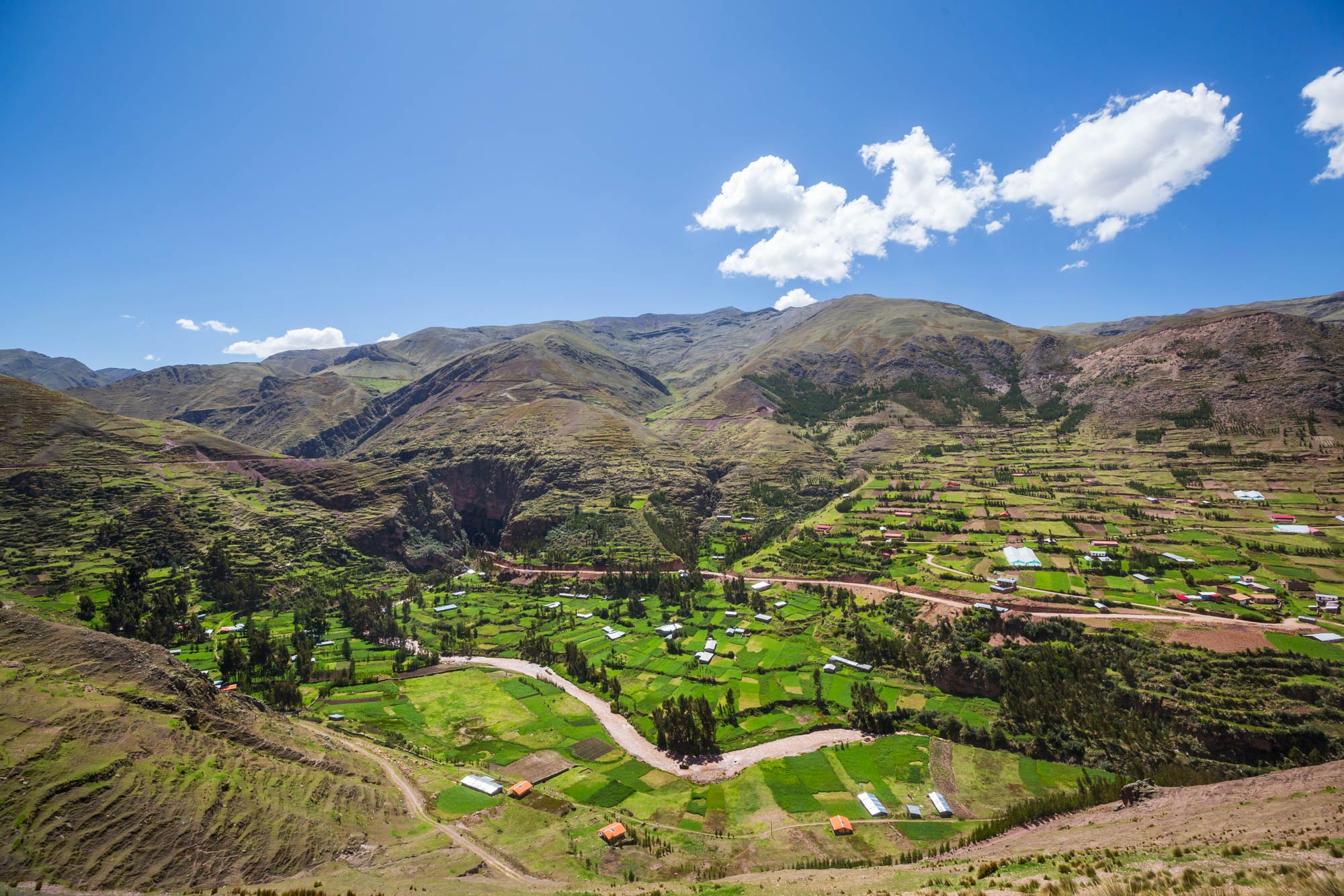
Landscapes of the Sacred Valley
Must-see tour in the Sacred Valley
- There are many tours that explore the Sacred Valley of the Incas, which include classic destinations like Pisac and Ollantaytambo. This is partly because many visitors only have one day to travel and opt for more popular alternatives.
- However, there are many more options within the valley, historical and natural destinations that allow you to discover more about this incredible territory.
- Among the main recommendations are Chinchero, Maras, and Moray. Places that are on the same travel route, making them easier to visit.
- For a comfortable and efficient experience, you can book a tour or transportation from Cusco. The experience typically lasts half a day (approximately 6 hours).
- Another very popular option is the VIP Valley tour, which, in addition to Maras, Moray, and Chinchero, also includes visits to Pisac and Ollantaytambo in a full-day experience (12 hours).
Chinchero Archaeological Site
- Chinchero is the most famous town of these three fascinating places and is usually part of the classic Sacred Valley tours, but with a very quick stop, which won’t allow you to fully experience everything this ancient place has to offer.
- It is a town frozen in time, and in no other place will you be able to observe the living Andean culture, which has a legacy predating the Inca Empire.
- Its main attraction is the Chinchero archaeological site, a vast complex with Inca constructions and wide landscapes of the Sacred Valley.
- One of the most beautiful places in Chinchero is undoubtedly its main square, an architectural combination of Inca and colonial legacies.
- The church that dominates the area is built on the ancient palace of Inca Tupac Yupanqui, and inside it contains beautiful artworks by notable indigenous painters from the Cuzco school. It also has the unique feature that its bell tower is separated from the main church structure.
- In the square, three large doorways stand out, two of which are accompanied by a beautiful Inca wall with trapezoidal niches. Also, next to the square, you can observe remains of Inca walls and terraces.
- On Sundays, a traditional fair is held where you can experience the ancestral customs that are still preserved in Chinchero.
- Another classic activity in this town is visiting the traditional textile centers, places where you can not only purchase high-quality garments but also see demonstrations of how textiles are dyed and crafted by hand.
| MAIN CHARACTERISTICS OF CHINCHERO | |
|---|---|
| Category | Characteristics |
| Location | Located in the province of Urubamba, about 30 kilometers from the city of Cusco. At an approximate altitude of 3,700 meters above sea level. |
| Traditional nickname | Known as “The land of the rainbow” because during the rainy season, constant rainbows often appear in the landscape. |
| Historical origin | Before the Incas, it was inhabited by the Killke culture, which was dedicated to agriculture and the herding of camelids. |
| Inca importance | It was a royal estate and a resting residence for Inca Tupac Inca Yupanqui, who ordered the construction of palaces, terraces, and enclosures for the imperial elite. |
| Archaeological site dimension | The Chinchero archaeological park spans over 40 hectares, some of which are integrated into the current town. |
| Main architecture | Inca agricultural terraces, stone walls, trapezoidal doorways, water channels, and cobblestone roads connected to the Inca road system (Qhapaq Ñan). |
| Textile tradition | Chinchero is one of the most important centers of traditional Andean weaving, where communities still use natural dyes and ancestral techniques. |
| Landscape and viewpoints | From the archaeological site, you can see snow-capped mountains like Verónica and expansive agricultural fields of the Sacred Valley. |
| Inca roads | Some cobblestone paths in the complex were part of the Qhapaq Ñan, the road network that connected the Inca Empire. |
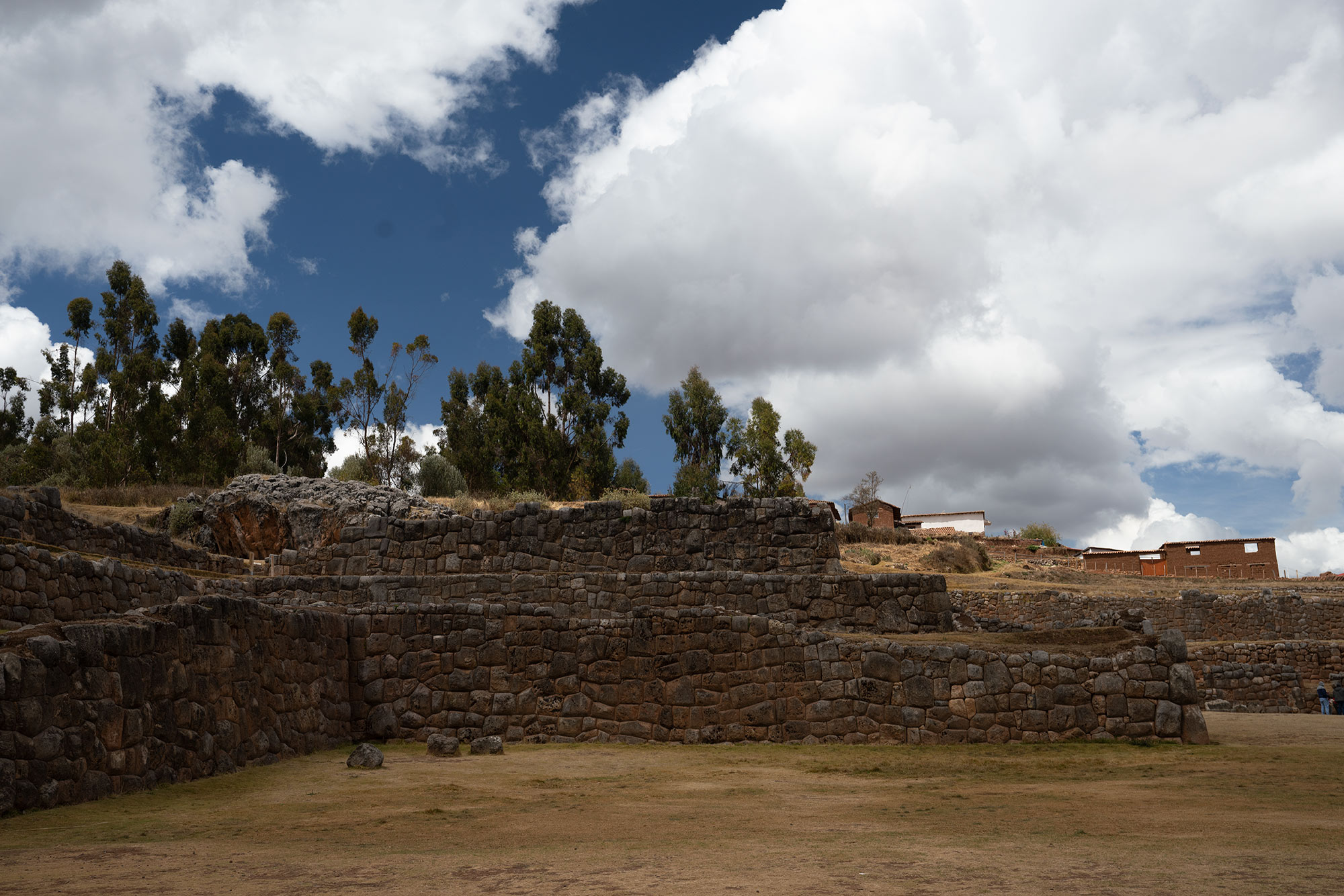
Chinchero Archaeological Complex
Moray Circular Terraces
- If there’s something that might surprise you in the Sacred Valley of the Incas, it’s definitely the Moray Archaeological Complex, there’s nothing like it anywhere else in the world.
- It’s a set of large structures built on plateaus, following a series of concentric terraces that descend to a depth of approximately 30 meters.
- These huge terraces were used as agricultural laboratories by the Incas, as the temperature varies at each level, creating microclimates in each terrace.
- This allowed them to experiment with a wide variety of crops from different regions, which was a significant scientific and agricultural advancement.
- In Inca times, these places may have originally served as an amphitheater before being used as agricultural acclimatization sites.
- These colossal structures, along with the surrounding landscapes, will allow you to enjoy one of the best views of the Sacred Valley.
- The tour is generally panoramic, although you can also descend to explore each circular complex in detail.
| MAIN CHARACTERISTICS OF MORAY | |
|---|---|
| Category | Characteristics |
| Location | Located near the town of Maras, about 50 kilometers from the city of Cusco. At approximately 3,500 meters above sea level. |
| Main function | Considered an Inca agricultural experimentation center, where crops were studied in different microclimates. |
| Main structure | A set of three concentric circular terraces that descend in the form of a natural amphitheater. |
| Climatic difference | There can be a temperature difference of up to 15°C between the top and bottom of the terraces, allowing different crops to be tested. |
| Landscape | From the site, you can see the mountains of the Sacred Valley and expansive Andean agricultural areas. |
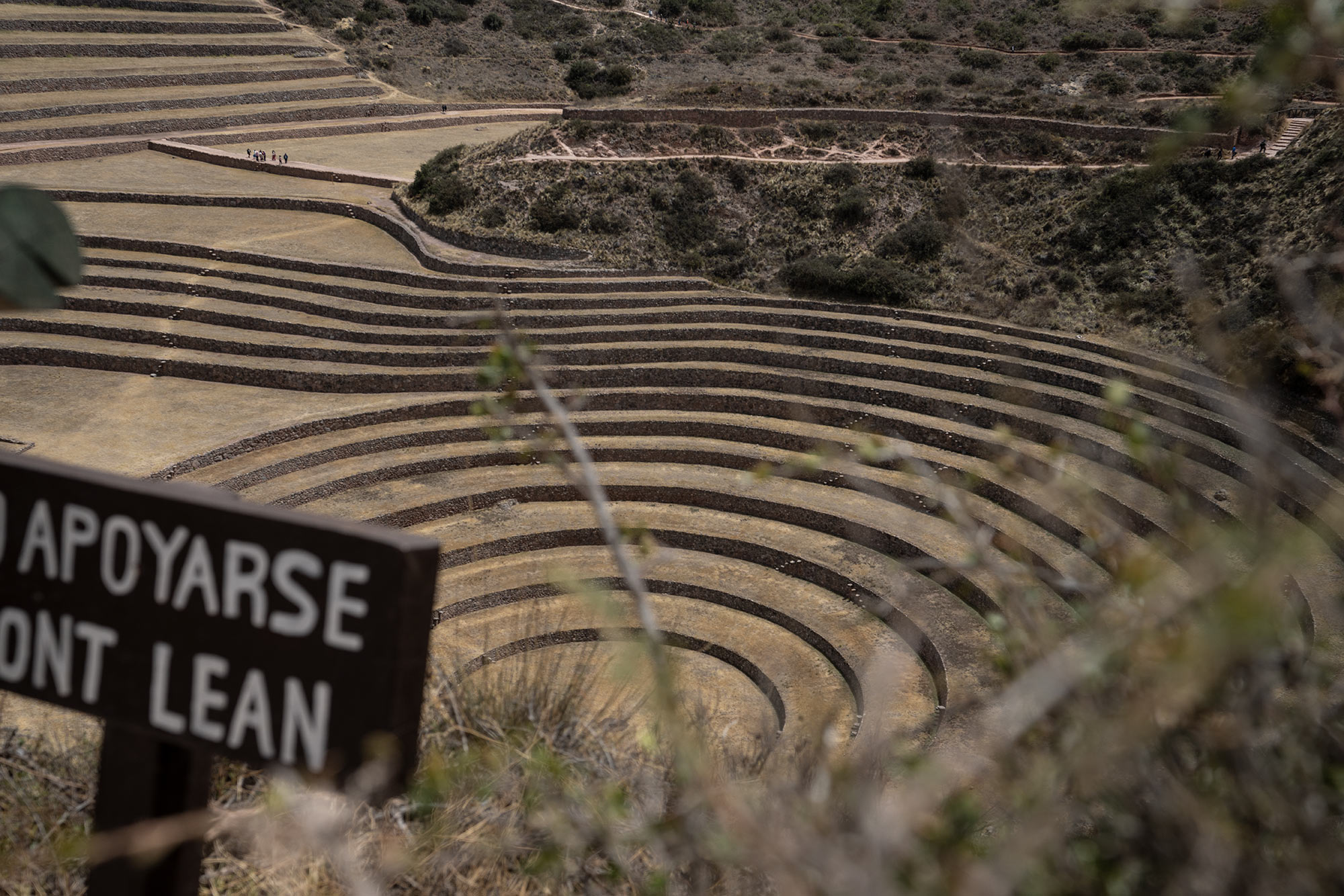
Circular Terraces of Moray
Maras Salt Mines
- The Maras Salt Mines are the most visited natural attraction in the Sacred Valley. Located in the village of the same name, it showcases one of the most surreal landscapes of the trip.
- This place consists of more than 3,000 salt pools, creating white panoramas that can be explored through its different levels.
- Maras is one of the four places in the world where natural pink salt can be found. Depending on the time of day, the white terraces of the salt mine take on beautiful hues that will delight your eyes.
- As part of the experience, you can even take home a small handful of salt extracted by yourself. Additionally, you can purchase gourmet salt bags at the souvenir shop on-site.
- In the town of Maras, there is also a colonial church with paintings from the Cuzco school of art. The town also features beautiful doorways with geometric and zoomorphic figures.
| MAIN CHARACTERISTICS OF MARAS | |
|---|---|
| Category | Characteristics |
| Location | Located in the province of Urubamba, about 40 kilometers from Cusco. At approximately 3,000 meters above sea level. |
| Main feature | More than 3,000 salt pools built on terraces. |
| Origin | Salt exploitation has existed since pre-Inca times, when the evaporation terraces were created and are still maintained today. |
| Ownership of the pools | Each pool belongs to local families who continue the tradition of salt extraction from generation to generation. |
| Types of salt | Pink salt, coarse salt, and fine salt are produced here. |
| Characteristic landscape | From the high ground, you can see a mosaic of white and beige terraces, one of the most unique landscapes in the Sacred Valley. |
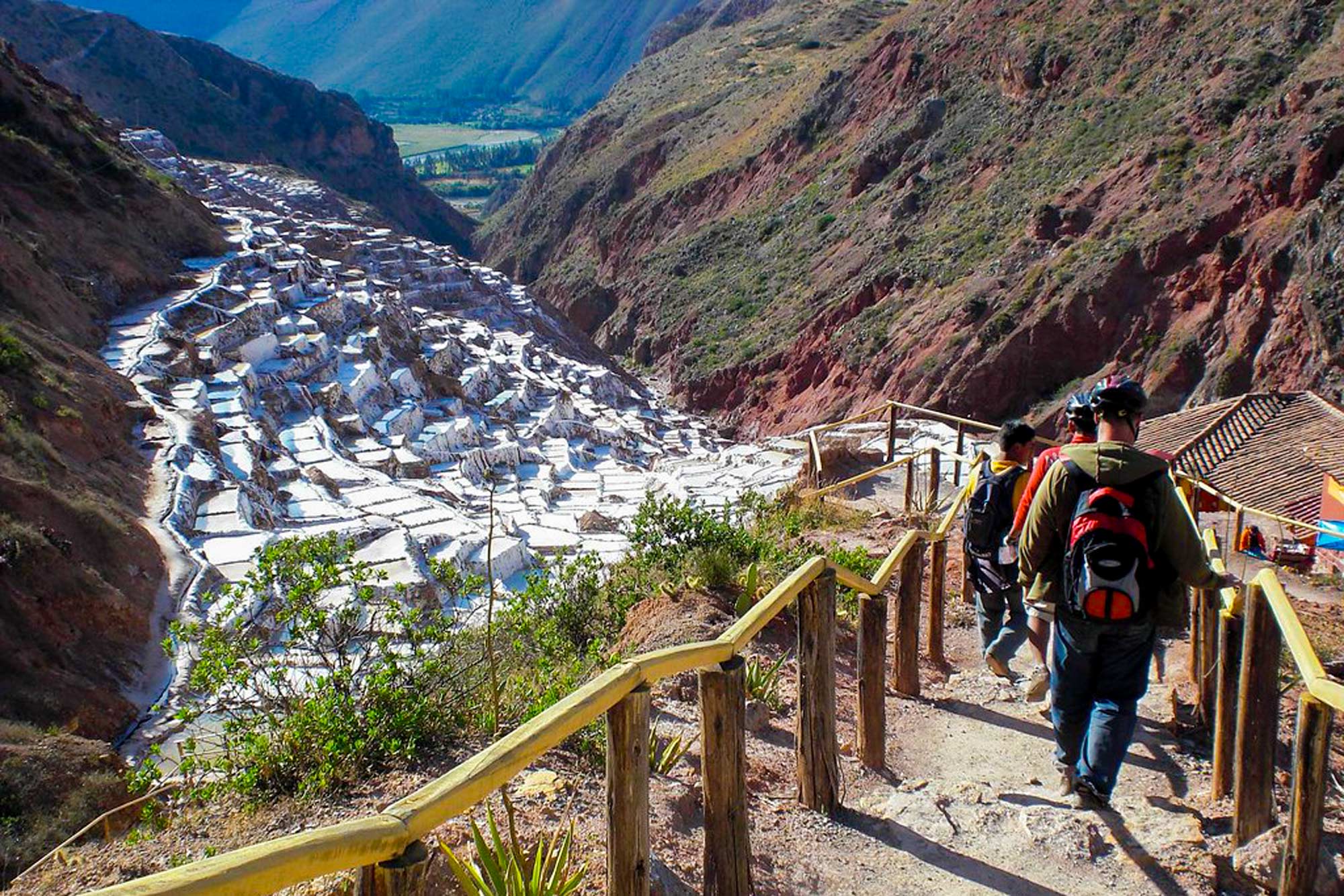
Maras Salt Ponds
Acclimatization in Cusco
The city of Cusco is located 3,399 meters above sea level, so the altitude, if you are not accustomed to it, can cause discomfort during the first days of your trip. It is recommended to do light activities upon arrival, avoid fatty foods, drink plenty of water, and rest well. The Sacred Valley, being at a slightly lower average altitude, is a good place to spend your first few days.
Frequently Asked Questions
1) How can I visit Chinchero, Maras, and Moray from Cusco?
The most practical way is to take a tour from Cusco, as these destinations are on the same route within the Sacred Valley. Many agencies offer half-day tours with transportation and a guide included, making it easy and efficient to visit each place.
2) How long does the tour to Chinchero, Maras, and Moray last?
Most tours last about six hours. This is enough time to explore the main attractions of each place and enjoy the landscapes of the Sacred Valley. If you want a more complete experience, you can opt for a full-day tour that also includes nearby sites.
3) What places are visited during the tour to Chinchero, Maras, and Moray?
The tour typically includes visits to the Chinchero archaeological site, the circular terraces of Moray, and the famous Maras salt mines. Each offers a different experience: living Andean culture, Inca agricultural engineering, and unique natural landscapes.
4) What is the town of Chinchero like?
Chinchero is considered one of the best-preserved examples of Andean culture. You can visit its archaeological site, historic square, and colonial church built on ancient Inca foundations. It is also known for its textile centers, where local communities demonstrate traditional weaving techniques.
5) What is Moray like?
The Moray archaeological site stands out for its impressive circular terraces that descend in the shape of a natural amphitheater. These structures were used by the Incas as an agricultural laboratory, where they experimented with different crops thanks to the microclimates created at each level.
6) What are the Maras Salt Mines?
The Maras Salt Mines consist of more than 3,000 salt pools built on terraces along the side of a mountain. Since pre-Inca times, saline water from a spring has been channeled into these pools to produce salt through natural evaporation.
7) What is the best time to visit Chinchero, Maras, and Moray?
These destinations can be visited year-round. However, the dry season, from April to October, usually offers clear skies and better weather conditions to enjoy the Sacred Valley’s landscapes.
8) At what altitude are these Sacred Valley destinations?
Chinchero is located at about 3,700 meters above sea level, Moray at around 3,500 meters, and Maras at about 3,000 meters. Therefore, it is recommended to acclimatize in Cusco before taking the tour.
9) Do I need to buy tickets to enter these places?
Yes, all these tourist destinations require specific tickets or entry fees. When booking a tour to these destinations, the entry fees are typically included.
10) Is it worth visiting Chinchero, Maras, and Moray on the same tour?
Yes, it’s one of the most recommended combinations within the Sacred Valley. In one trip, you can discover Inca history, living Andean culture, and unique natural landscapes, making this circuit a very complete experience for those visiting Cusco.
Advice from people who have been there
 By: Andriana A.
“Excellent landscapes!“
“The Sacred Valley of the Incas is full of incredible landscapes. Maras and Moray are definitely places you must visit. To get to Moray, you pass through a visual spectacle, literally a bunch of beautiful places. Here we learn more about how advanced the Incas were in agricultural matters. The Maras salt mines are another beautiful spectacle. Wear comfortable sneakers so you can walk and visit the places at ease.“
By Ticket Machu Picchu – Last updated, April 24, 2026