Archaeological sites in the Sacred Valley of the Incas
Machu Picchu is no longer the only reason to visit Cusco in the Peruvian Andes. Now, the Sacred Valley of the Incas is one of the most touristy and in-demand places, due to the importance it held during the times of the Tahuantinsuyo Empire. Today, this vast territory offers mountainous landscapes full of nature, traditional towns, and archaeological remains of great significance. Which Inca constructions survive to this day in this territory? Learn a little more about the archaeological sites in the Sacred Valley.
- The Sacred Valley of the Incas
- Pisac Archaeological Park
- Ollantaytambo Archaeological Complex
- The Moray Terraces
- Chinchero Archaeological Center
- Huchuy Qosqo Archaeological Site
- Frequently Asked Questions
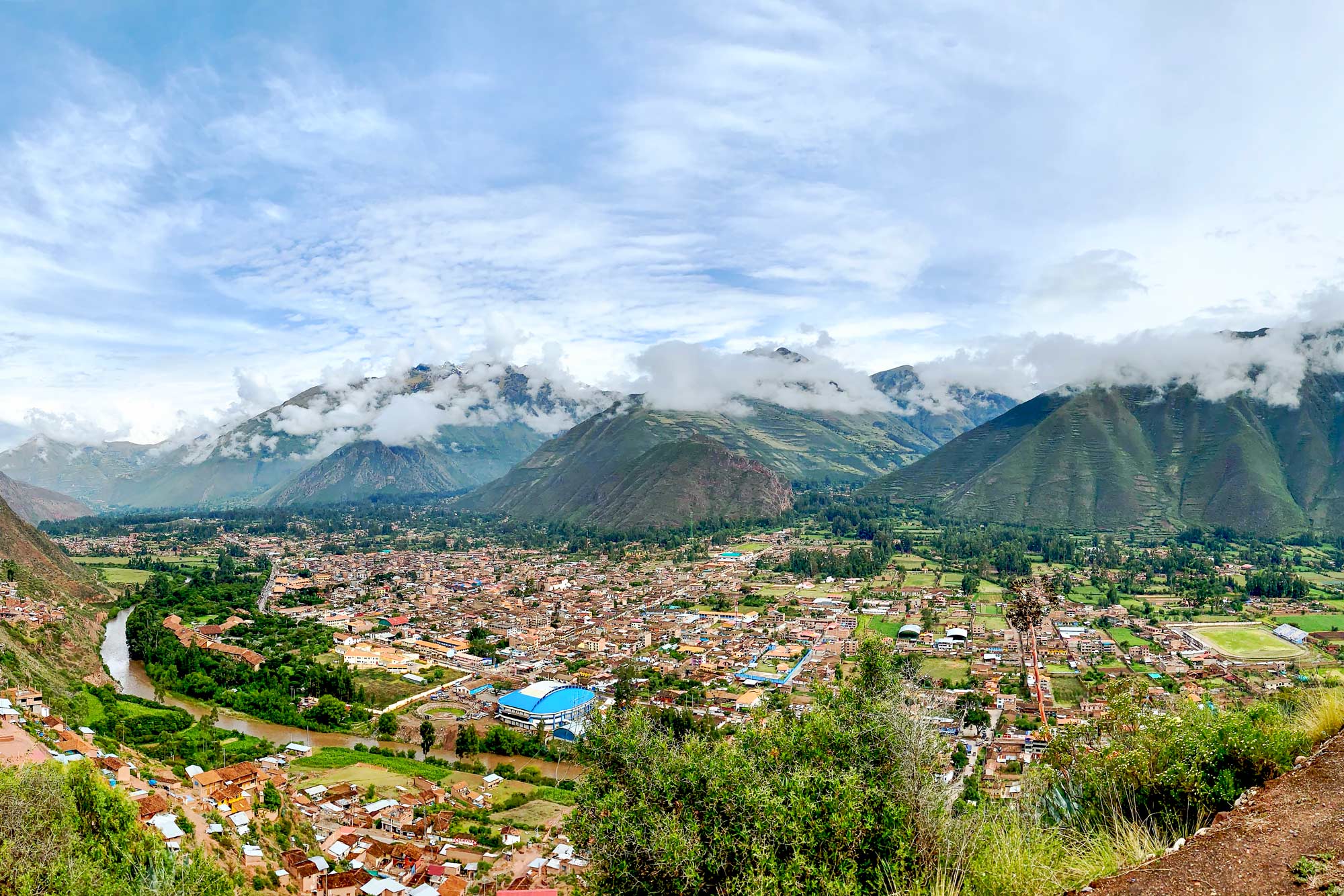
Sacred Valley of the Incas
The Sacred Valley of the Incas
- The importance of the Sacred Valley was noted since the time of the Incas, as the fertility of these lands made the Tahuantinsuyo Empire much more prosperous. The presence of the Urubamba River throughout the territory was also a key factor.
- That is why many of the most important Inca constructions and citadels are located in this territory, including: Ollantaytambo, Chinchero, Pisac, and Moray.
- During your tour of the Sacred Valley, you can see many Inca foundations that lie beneath colonial constructions. It is a territory rich in history, where the syncretism experienced is part of the culture.
- Although there are many recognized citadels in the Sacred Valley, there are also small structures you can visit throughout the territory, such as: Ñaupa Iglesia, Huchuy Qosqo, Pinkuylluna, Inti Punku, and many others.
- Today, these archaeological sites are among the main tourist attractions in Peru and the world. You can explore each town that preserves a piece of Inca history, or you can also book the Sacred Valley tours.
The Cusco Tourist Ticket
If you want to visit the Sacred Valley of the Incas along with its main archaeological sites, you must purchase the Cusco Tourist Ticket. This ticket includes entry to the Pisac Archaeological Park, the Ollantaytambo Archaeological Complex, the circular terraces of Moray, and the Chinchero Archaeological Center. It is a tour experience that can be done in just one day, although we recommend experiencing it with a guided tour, which also includes transportation, guidance, and lunch.
Pisac Archaeological Park
- Pisac Archaeological Park (34 kilometers from Cusco) is made up of Inca constructions scattered on the mountains above the town of Pisac.
- The site includes terraces, storage rooms, dwellings, plazas, and imposing towers that earned it the popular name ‘City of the Towers.’ Additionally, there were hanging bridges whose bases still remain and a solar clock ‘Intihuatana’ that shares some similarities with the one at Machu Picchu.
- According to Cusco historian Víctor Angles Vargas, this archaeological center is equidistant from the city of Cusco and the Piquillaqta site. Due to its location high above Pisac (3,300 meters above sea level), the citadel did not suffer much damage and remains in good condition today.
- To visit Pisac Archaeological Park, you must acquire the Cusco Tourist Ticket. Visiting hours are from 7:00 AM to 6:00 PM.
| MAIN FEATURES OF PISAC ARCHAEOLOGICAL PARK | |
|---|---|
| Category | Description |
| Name | Pisac Archaeological Park |
| Location | Pisac District, Calca Province. Approximately 34 kilometers away (50 minutes by car). |
| Altitude | Between 3,300 and 3,450 meters above sea level. |
| Historical Function | Inca agricultural, military, administrative, and religious center. It also served as a strategic control point for the Sacred Valley. |
| Main Sectors | Intihuatana, K’allaqasa, Tantana Marka, Qantu Raqay, Agricultural terraces, Qantu Punku, Amaru Punku. |
| Landscape | Panoramic views of the Sacred Valley, deep canyons, and surrounding mountains. |
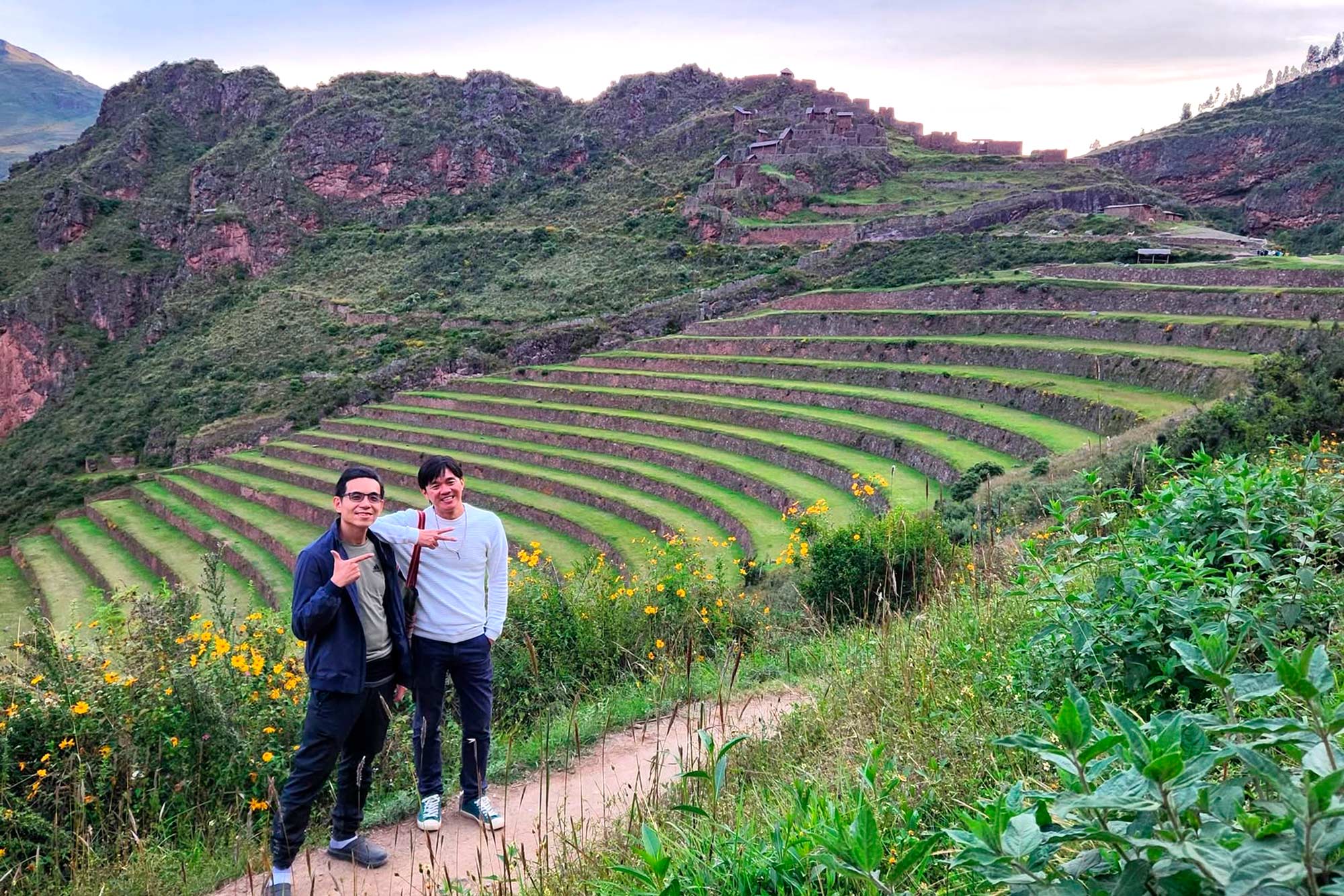
Pisac Archaeological Park
Ollantaytambo Archaeological Complex
- Ollantaytambo Archaeological Complex (64 kilometers from Cusco) was an urban center and ceremonial site during the Tahuantinsuyo period, which also served as a fortress during the resistance of Manco Inca, one of the last Inca leaders.
- Governor Pachacútec commissioned the construction of Ollantaytambo, as well as the town at the base of the site, which maintains its urban layout to this day.
- Today, this site receives hundreds of tourists due to its architectural importance and for being one of the main starting points to the Inca Citadel of Machu Picchu.
- Among the main constructions at Ollantaytambo are: the Temple of the Sun (with walls up to 3 meters high), the Royal House of the Sun, the Complex of Ten Niches, the Monumental Gateway, and the Ñusta’s Bath (a water fountain of great detail and size).
- The visit is included in the Cusco Tourist Ticket. Tours are available from 7:00 AM to 6:00 PM.
| MAIN FEATURES OF OLLANTAYTAMBO ARCHAEOLOGICAL COMPLEX | |
|---|---|
| Category | Description |
| Name | Ollantaytambo Archaeological Complex |
| Location | Ollantaytambo District, Urubamba Province. 72 kilometers from Cusco (1 hour 45 minutes by car). |
| Altitude | Approximately 2,792 meters above sea level. |
| Historical Function | Inca military and ceremonial center, as well as a strategic control point of the Sacred Valley and access to the Amazon. |
| Main Sectors | Terraces of the Temple of the Sun, Complex of the Ten Niches, Ñusta’s Baths, Qolqas (storage), Mañay Raqay Plaza, agricultural and defensive sectors. |
| Landscape | Views of the Sacred Valley, mountains, and large stepped terraces with open views of the town and the Urubamba River. |
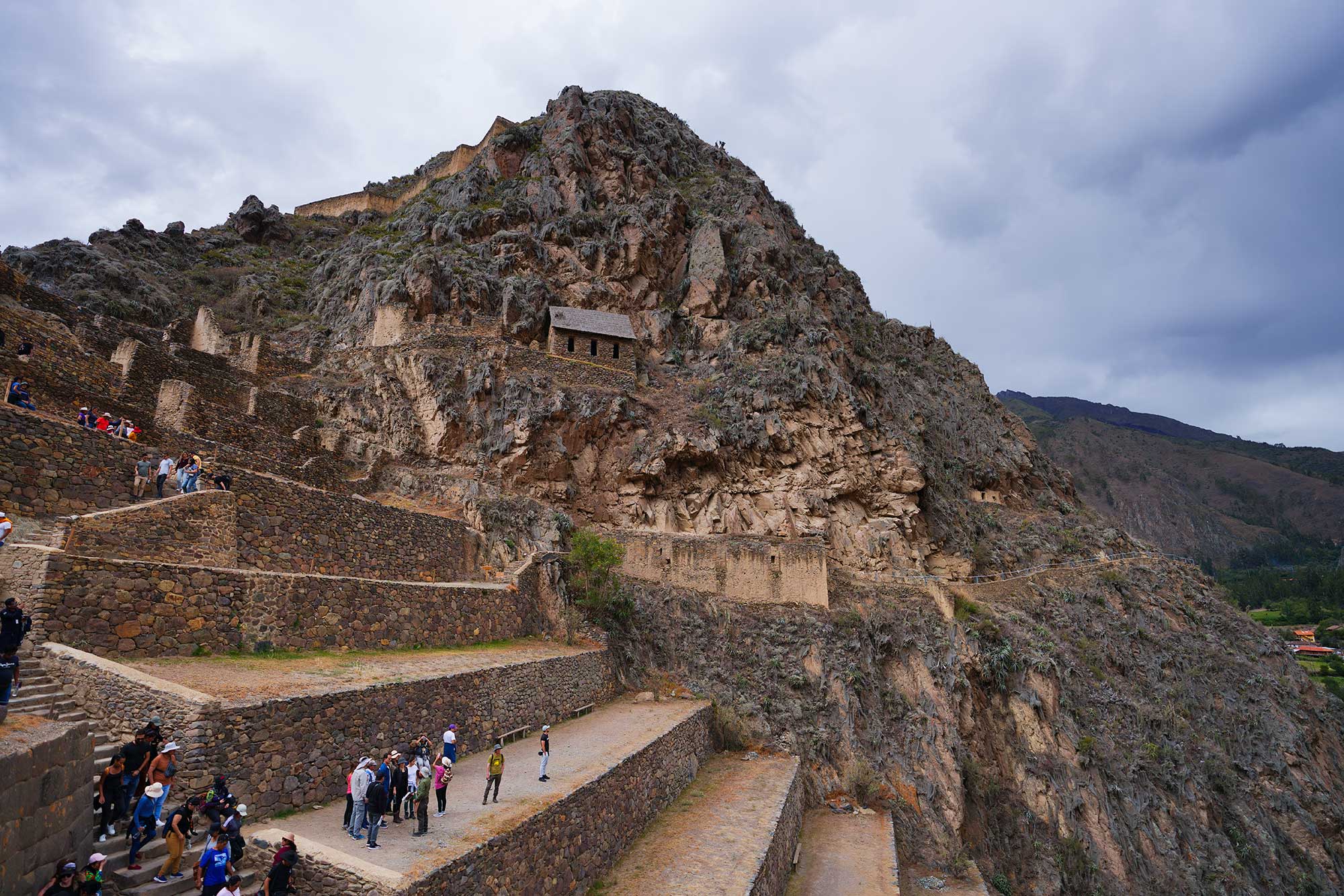
Ollantaytambo Archaeological Site
The Moray Terraces
- The circular terraces of Moray were an agricultural research center of great importance during the Inca Empire, where crops were experimented with across different microclimates.
- Their circular terracing created a variety of microclimates where diverse agricultural products were grown, with coca leaves prevailing. Due to their impressive amphitheater-like structure, they are one of the most popular tourist attractions in the region.
- In total, it is estimated that there are up to 20 different microclimates across the three circular terraces of Moray. The lower terraces have higher temperatures, while the upper terraces have lower temperatures.
- The tour is included in the Cusco Tourist Ticket. The archaeological site is open from 7:00 AM to 6:00 PM.
| MAIN FEATURES OF THE MORAY TERRACES | |
|---|---|
| Category | Description |
| Name | Circular Terraces of Moray |
| Location | Maras District, Urubamba Province. 49 kilometers from Cusco (1 hour 15 minutes by car). |
| Altitude | Approximately 3,500 meters above sea level. |
| Historical Function | Agricultural laboratory for the study of microclimates and crop experimentation. |
| Main Sectors | Three circular terraces, agricultural platforms, and drainage networks. |
| Landscape | Natural amphitheaters surrounded by mountains, agricultural fields, and wide views of the Sacred Valley. |
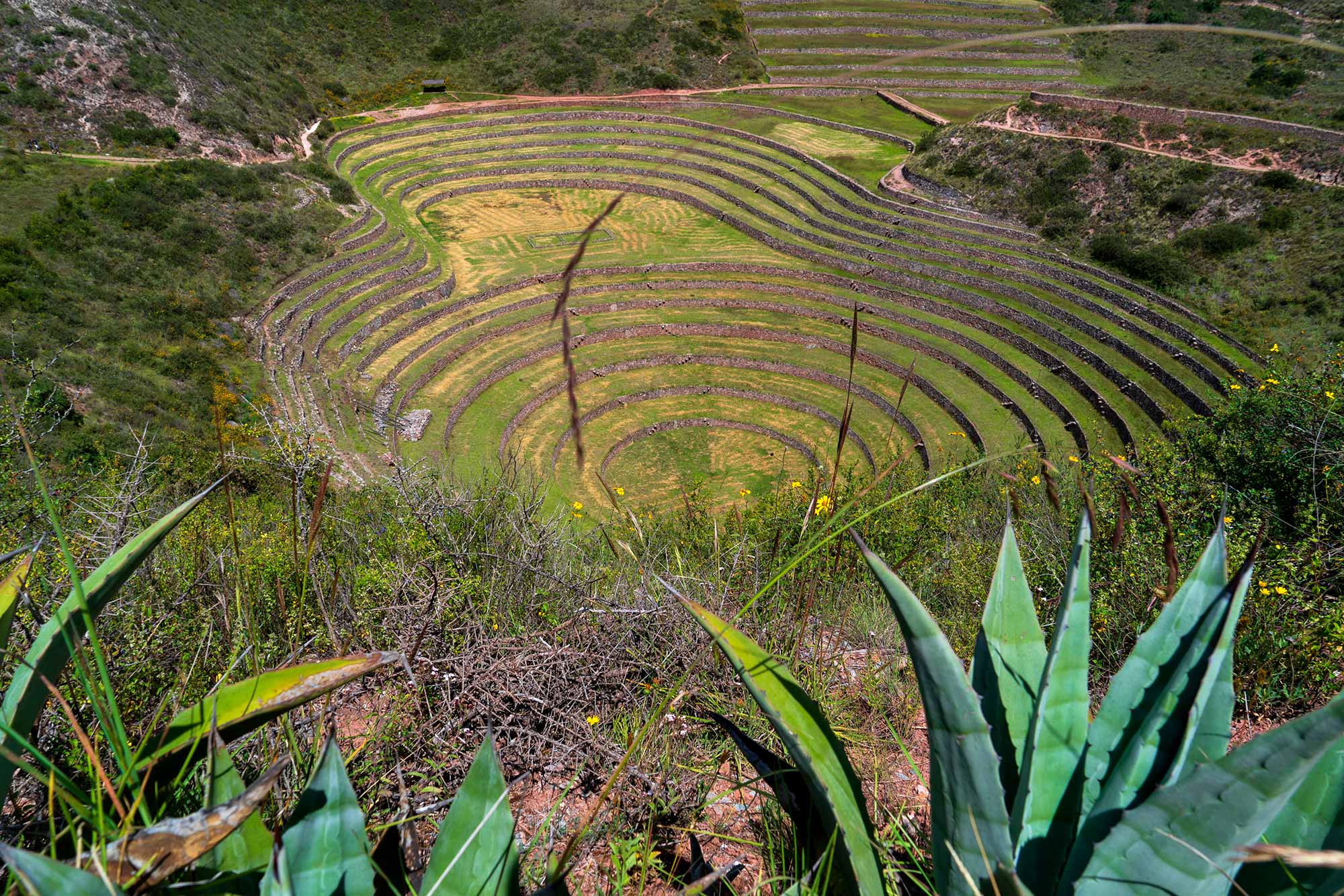
Moray Terraces
Chinchero Archaeological Center
- The Chinchero Archaeological Center (32 kilometers from Cusco) is an agricultural center initially inhabited by the Killke culture, later occupied by the Incas, who built terraces, enclosures, gateways, and even the palace of Túpac Yupanqui.
- After the Spanish invasion, the Church of Our Lady of Monserrat was built on the palace foundations, which remains a tourist attraction to this day.
- Various archaeological remains have been found here, including ceramics, lithic works, and even skeletal fragments. Visiting today allows you to see some of the best landscapes of the Sacred Valley alongside many historical constructions.
- Entry to this important archaeological center is included in the Cusco Tourist Ticket. Visiting hours are from 7:00 AM to 6:00 PM.
| MAIN FEATURES OF CHINCHERO ARCHAEOLOGICAL CENTER | |
|---|---|
| Category | Description |
| Name | Chinchero Archaeological Park |
| Location | Chinchero District, Urubamba Province. 30 kilometers from Cusco (1 hour by car). |
| Altitude | Approximately 3,762 meters above sea level. |
| Historical Function | Administrative, agricultural, and ceremonial center, as well as the royal residence of Inca Túpac Yupanqui. |
| Main Sectors | Agricultural terraces, walls, gateways, ceremonial enclosures, plazas, staircases, and Inca roads. |
| Landscape | Wide views of the Sacred Valley, snow-capped mountains such as Chicón and Veronica, and extensive agricultural fields. |
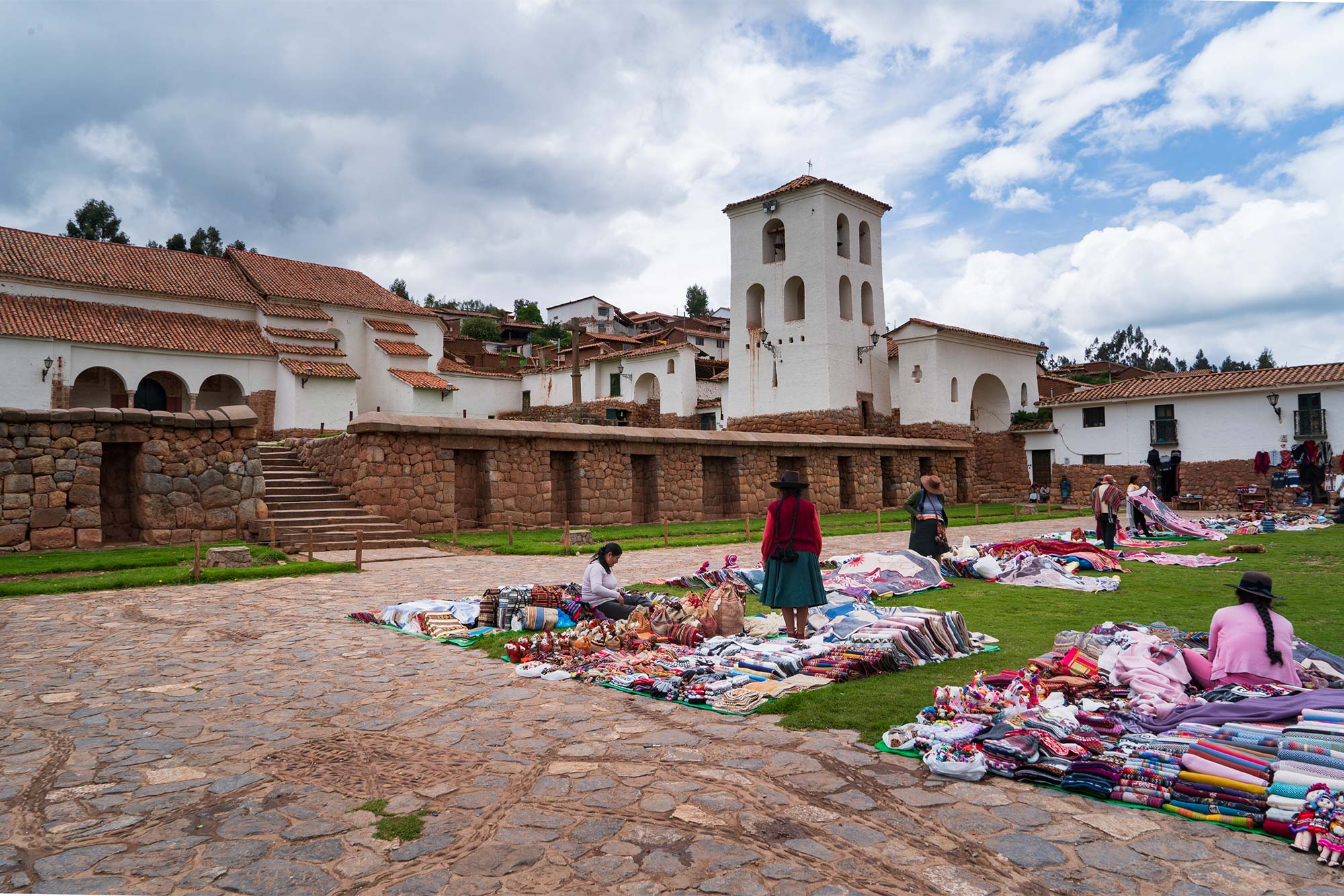
Chinchero Archaeological Center
Huchuy Qosqo Archaeological Site
- The Huchuy Qosqo Archaeological Site (Little Cusco) is located 47 kilometers from the city of Cusco. It is believed to have been a resting place for Inca Viracocha and his family.
- Due to the greater age of its constructions compared to other sites, few buildings remain well preserved. Notable features include terraces and buildings up to three stories high, some made of stone and others of adobe.
- Because of the layout of its walls, which resemble the city of Cusco, it is called ‘Little Cusco’. The ancient site had a Kallanka, a rectangular building up to 70 meters long that housed Inca nobility.
- Due to its location on top of a mountain, a hike is required to reach it. There are several routes, one from Tambomachay, another from Chinchero, but the most popular starts near the town of Lamay (a 2-hour walk).
| MAIN FEATURES OF HUCHUY QOSQO ARCHAEOLOGICAL SITE | |
|---|---|
| Category | Description |
| Name | Huchuy Qosqo Archaeological Park |
| Location | On a mountain in the Lamay District, Calca Province. About 35 kilometers north of Cusco (accessible only by hiking). |
| Altitude | Approximately 3,600 meters above sea level. |
| Historical Function | Inca administrative and agricultural center, possibly the residence of Inca Viracocha. |
| Main Sectors | High terraces, stone and adobe enclosures, kallankas, open plazas, hydraulic channels, natural viewpoints. |
| Landscape | The best panoramic views of the Sacred Valley, deep canyons, mountains full of Andean flora, and an isolated atmosphere, ideal for immersive experiences. |
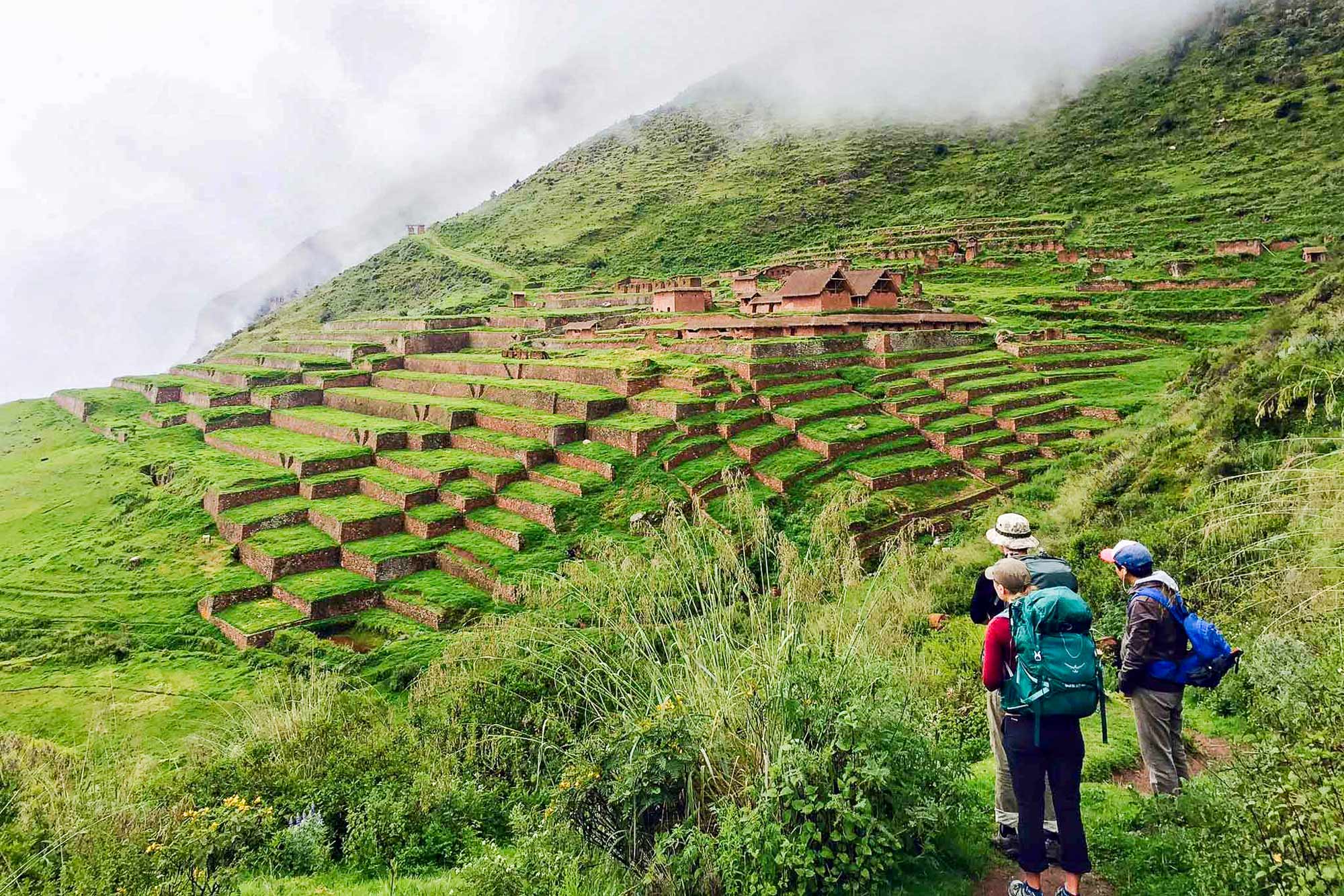
Huchuy Qosqo Archaeological Site
Frequently Asked Questions
1) What ticket do I need to enter the archaeological sites of the Sacred Valley?
To enter Pisac, Ollantaytambo, Moray, and Chinchero, you need to purchase the Cusco Tourist Ticket. For a more complete and guided experience, we recommend booking the classic Sacred Valley tour, which also includes transportation and lunch.
2) Can I visit all these places in a single day?
It is possible, but each archaeological center deserves time to explore. Ideally, dedicate a full day to the Sacred Valley or split your visit into two days, so you can appreciate each site without rushing.
3) Is it necessary to hire a tour to explore the Sacred Valley?
It is not mandatory, but it is recommended. A tour allows you to understand the historical context of each place and optimize travel time. If you travel on your own, it is better to divide the visit over two days.
4) How demanding are the hikes in these archaeological sites?
The hikes are accessible but include steep sections with some stairs. We suggest wearing comfortable shoes and walking at a steady pace, especially in elevated sites like Pisac and Huchuy Qosqo.
5) Which archaeological center is the most impressive?
Ollantaytambo is one of the most outstanding sites due to its giant terraces and numerous important structures. However, Pisac is more extensive and surrounded by breathtaking landscapes. Each is a must-see stop during your trip to Cusco.
6) What is the difference between Moray and the other archaeological centers?
Moray is not a citadel but an agricultural laboratory. Its circular terraces create unique microclimates that the Incas used for experimenting with crops. It is a very different visit, perfect if you want to see unique places in the world.
7) What clothing should I wear to tour the Sacred Valley?
We recommend wearing light clothing, a windbreaker, hat, sunscreen, and trekking shoes. The weather can change quickly, so always carry a poncho for possible rain.
8) How much time do I need to explore each archaeological site?
Pisac and Ollantaytambo require at least 2 to 3 hours. Moray and Chinchero can be explored in one hour, while Huchuy Qosqo takes longer due to the hike required to reach it.
9) Is it mandatory to go with a guide to enter these sites?
It is not mandatory, but very useful. A guide will help you understand the history, architecture, and cultural significance of each archaeological center. If you want, we can arrange one for your visit and personalize the travel experience according to your interests.
10) What other archaeological sites are there in the Sacred Valley?
There are many, but the most notable include: the ceremonial center Ñaupa Iglesia, the fortress of Pinkuylluna, the Inti Punku gateway of Ollantaytambo, Pumamarka, and the famous salt mines of Maras.
Advice from people who have been there
 By: Rafael H.
“An extraordinary place“
“A trip to the Sacred Valley must include visiting Pisac and Ollantaytambo. It is truly breathtaking. The Inca ruins allow you to understand the greatness of this empire, which was so mistreated by the conquerors. It is also recommended to visit Chinchero and buy alpaca wool products at very affordable prices.“
By Ticket Machu Picchu – Last updated, November 25, 2025