The south valley in Cusco
We know you have heard of the Sacred Valley of the Incas and its impressive archaeological sites like Pisac, Ollantaytambo, Chinchero, and more. But, have you heard of the Southern Valley of Cusco? Few tourists have explored the archaeological sites in this area, such as Tipón and Piquillacta. Places with much history and tradition, just like Machu Picchu. Additionally, during the classic tour, you will visit the Church of Andahuaylillas, known as the Sistine Chapel of America.
- What is the Southern Valley of Cusco like?
- Map of the Southern Valley of Cusco
- What is the route to the Southern Valley like?
- What to do in the Southern Valley?
- Tipón
- Pikillacta
- Andahuaylillas
- What to bring to the Southern Valley?
- How to visit the Southern Valley?
- Tips before visiting the Southern Valley
- Frequently Asked Questions
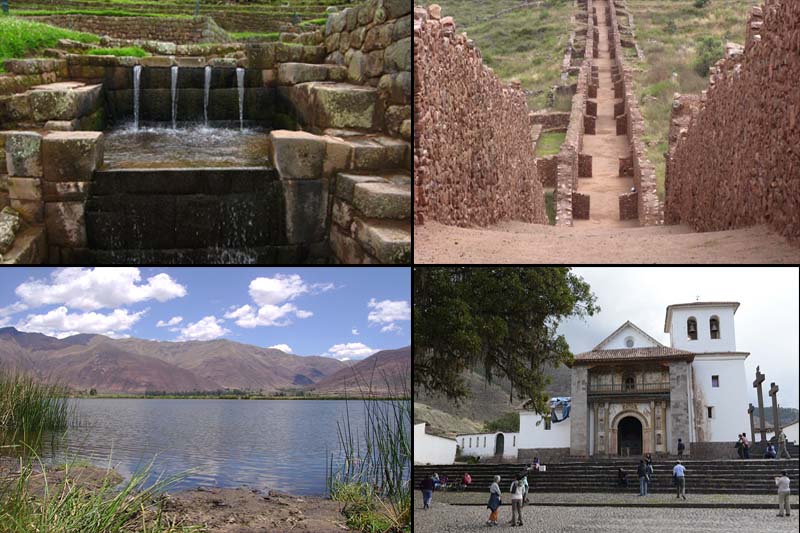
The Southern Valley in Cusco
A large part of the Southern Valley’s appeal is the landscapes you can enjoy throughout the route. Roads surrounded by green mountains, agricultural fields, snow-capped peaks, lagoons, and a diverse range of fauna typical of the Andes. Additionally, you can explore villages full of history, along with archaeological legacies of great importance.
What is the Southern Valley of Cusco like?
- The name “Southern Valley” is mainly due to its geographical location to the southeast of the city of Cusco. It is a vast territory full of archaeological, cultural, and natural tourist destinations.
- Over time, it was an important area for the development of pre-Incan and Incan cultures.
- It is a perfect route for people who want to discover new archaeological sites in more immersive tours, due to the low number of visitors.
- This place was one of the first areas to be inhabited throughout the Cusco valley. The inhabitants of the ‘Marcavalle’ culture populated this place 1000 years before Christ.
- Today, it has many archaeological attractions such as Tipón and Piquillacta. It is also home to villages with colonial and Andean heritage, evidenced by their beautiful architecture.
Map of the Southern Valley of Cusco
- The archaeological park of Tipón is located 25 kilometers from the city of Cusco (1 hour by car).
- The archaeological park of Piquillacta is located 14 kilometers from Tipón (25 minutes by car).
- Andahuaylillas is 9 kilometers from Piquillacta (20 minutes by car).
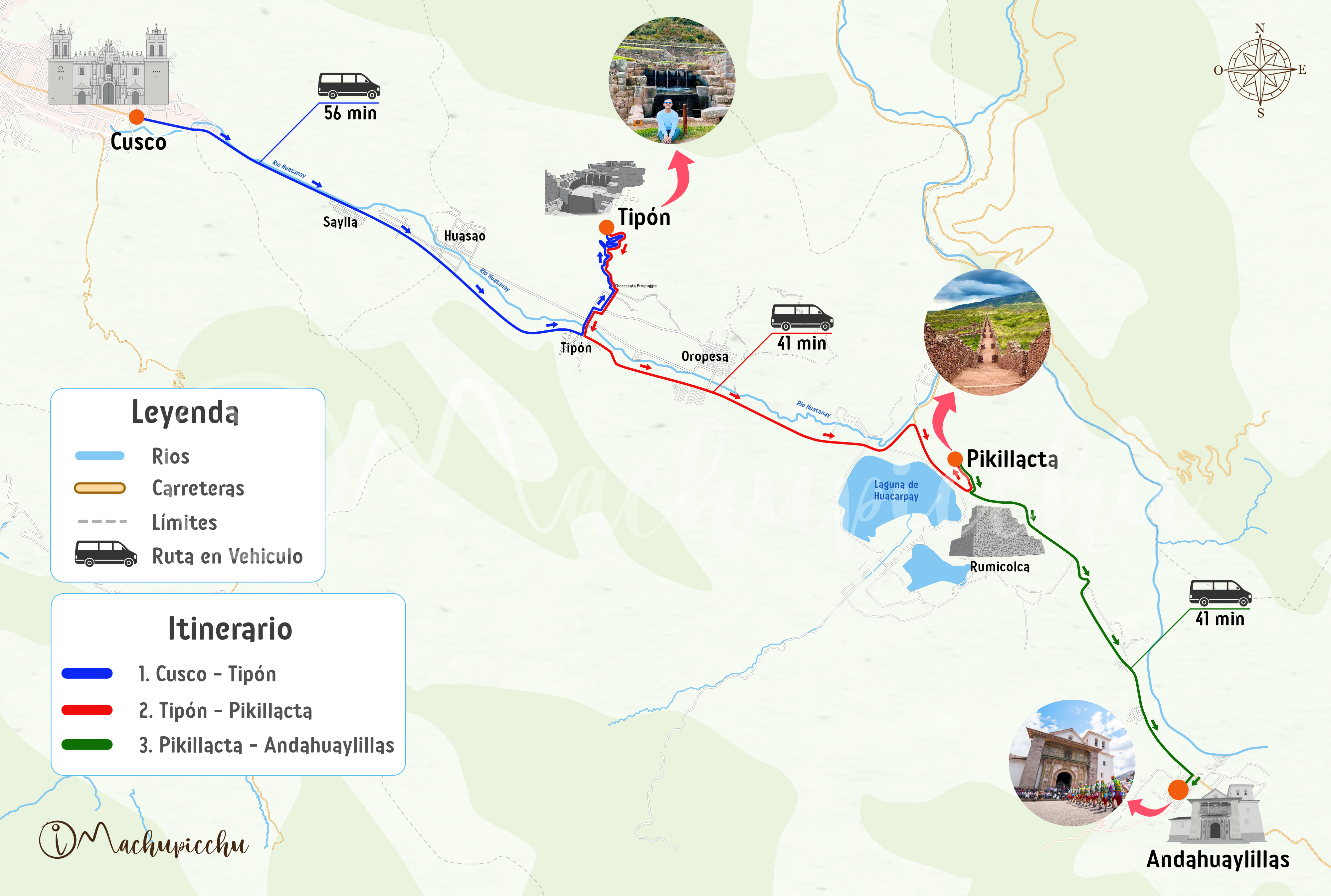
Map of the Southern Valley Cusco tour
What is the route to the Southern Valley like?
- The classic route through the Southern Valley (with a tour) will allow you to enjoy beautiful views of the Andes of Cusco throughout the journey.
- The main destinations include the magnificent hydraulic architecture of Tipón, the pre-Incan Wari constructions in Piquillacta, and the beautiful works of art and impressive architecture of the Andahuaylillas Temple.
- The classic tour lasts half a day, covering a total of 6 hours. It usually starts around 8 in the morning, so you have the afternoon free to do other activities.
- The best way to do this route is with a tour organized by a travel agency. However, it is also possible to do it on your own (you will need the Cusco tourist ticket for circuit 2), although the logistics and travel routes will be difficult to coordinate.
- Tours can be booked just a few days in advance, allowing you to enjoy this experience at any time during your trip.
What to do in the Southern Valley?
| Top destinations and activities in the Southern Valley | ||
|---|---|---|
| Attraction | Type | Importance |
| Tipón Archaeological Site | Archaeological destination | Masterpiece of Incan hydraulic engineering still in use today |
| Piquillacta Archaeological Site | Archaeological destination | One of the largest and best-preserved pre-Incan complexes in Peru |
| Church of San Pedro Apóstol of Andahuaylillas | Historical and artistic destination | Known as the “Sistine Chapel of America” for its pictorial wealth |
| Raqchi Archaeological Complex | Archaeological destination | Home to one of the most monumental roofed structures of Incan culture |
| Huasao Wetlands | Natural destination | Andean ecosystem with contemporary artistic figures |
| Palcoyo Rainbow Mountain | Natural destination | A less challenging alternative to Vinicunca, with several multicolored mountains |
| Combapata Colonial Bridge | Historical destination | Colonial infrastructure still in use, linked to ancient routes |
| Huacarpay Lagoon | Natural destination | Area recognized for its Andean biodiversity |
| Saylla | Traditional cuisine | Regional reference for traditional cuisine |
| Oropesa | Artisanal cuisine | Capital of Andean artisanal bread |
| Lucre | Culture and nature | Connection between culinary tradition and natural surroundings |
Tipón
- Tipón is one of the best examples of agricultural terraces created by the Incas, with an archaeological site dedicated to the worship of water.
- Tipón was possibly also a royal garden commissioned by the Inca Huiracocha. Its vastness and perfect symbiosis with nature provide incredible landscapes.
- The agricultural terraces of the site extend across the narrow valley, fed by springs coming from the Apu (mountain) Pachatusan.
- The Tipón archaeological site also features a complex of temples, irrigation channels, and aqueducts that are still in use today.
- This archaeological complex is located in the community of Choquepata, in the district of Oropesa, 25 kilometers southeast of the city of Cusco.
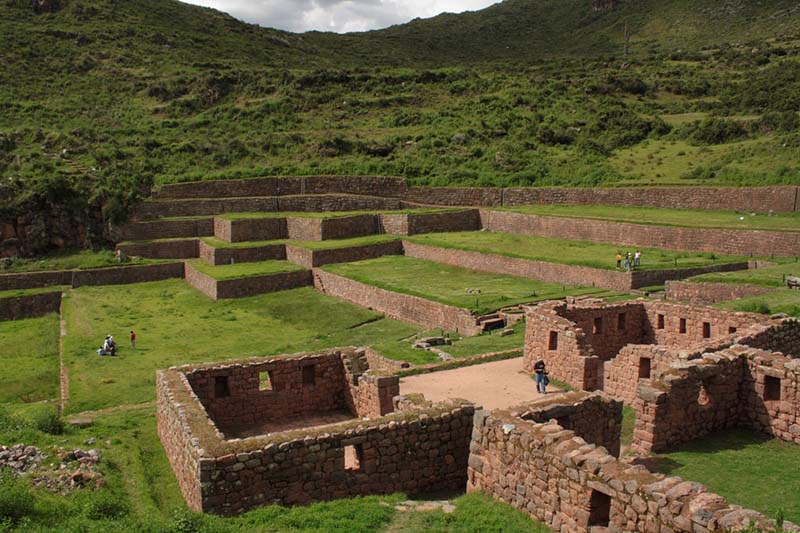
Tipón Archaeological Site
Pikillacta
- Pikillacta was a pre-Incan city built south of Cusco, and is one of the best-preserved and oldest archaeological complexes in all of Peru.
- This complex, made primarily of adobe and stone, was constructed by the Wari culture between 500 and 900 AD.
- A few meters from the area, you can see a small archaeological site known as Rumicolca (stone warehouse), which served as the entrance to the city after the Incas conquered the territory.
- The urban structures stand out for their walls, some of which measure up to 12 meters. It is believed that nearly 10,000 inhabitants lived in the area at its peak.
- At the Pikillacta archaeological center, there are about 700 buildings and 500 warehouses, a small percentage of which are still standing.
- Pikillacta is located near the town of Huacarpay, in the district of Lucre, 40 kilometers from the city of Cusco.
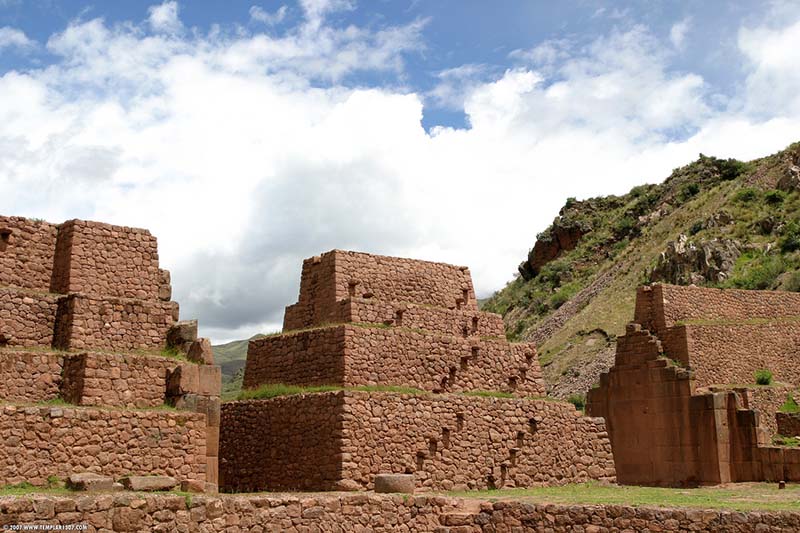
Rumicolca Archaeological Monument near Pikillacta
Andahuaylillas
- Andahuaylillas is one of the most beautiful and charming colonial towns in southern Cusco.
- The main attraction of this village is the Church of San Pedro Apóstol, also known as the “Sistine Chapel of America.”
- This temple is notable for its impressive baroque decoration and colonial art, with golden altars, murals, altarpieces, and paintings from the Cusco School.
- The walk through this village is also very rewarding. Its small squares and the natural landscapes surrounding it will provide moments of calm as you explore the Southern Valley.
- The town of Andahuaylillas belongs to the province of Quispicanchis, 48 kilometers from the city of Cusco.
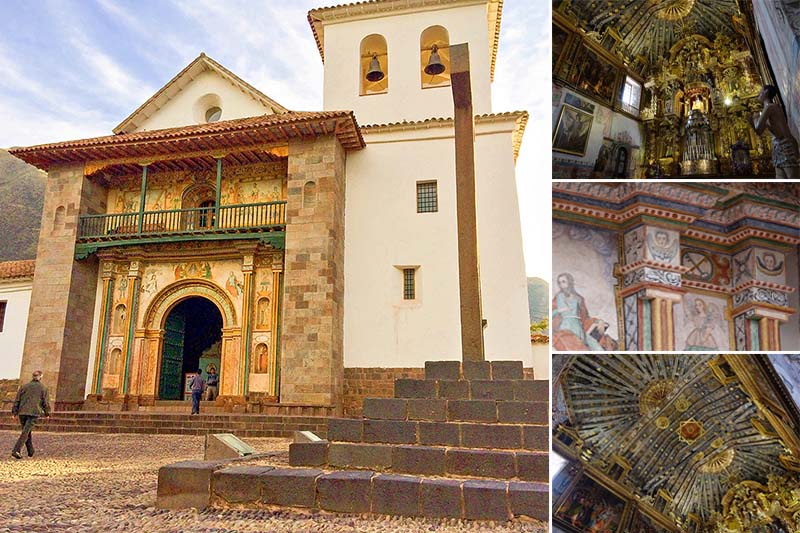
The beautiful Church of San Pedro in Andahuaylillas
Tour of the Southern Valley of Cusco
If you are looking to explore the Southern Valley, booking a tour is the best option. This half-day experience (6 hours) visits the archaeological sites of Tipón and Pikillacta, with an additional stop in the town of Andahuaylillas to visit the artistic Church of San Pedro Apóstol. Reservations can be made with just a few days’ notice.
What to bring to the Southern Valley?
- Passport or identity document.
- Cusco Tourist Ticket (Integral or Circuit 3).
- Sun protection.
- Rain poncho.
- Water bottle.
- Camera.
- Cash.
How to visit the Southern Valley?
- To visit the Southern Valley of Cusco, you need to purchase the ‘Cusco Tourist Ticket (Circuit 2)’ or the Integral Ticket.
- The Circuit 2 tourist ticket includes access to several attractions such as Tipón, Pikillacta, the Qorikancha site museum, the Regional Historic Museum, the Contemporary Art Museum, the Pachacútec Monument, the Popular Art Museum, and the Qosqo Center of Native Art.
- The Cusco Tourist Ticket can be purchased in the city of Cusco or online.
- Alternatively, you can visit the Southern Valley attractions directly and purchase the entrance tickets at the entrance gates.
Tips before visiting the Southern Valley
- The Southern Valley of Cusco is a great option after visiting the Incan City of Machu Picchu. It is located at approximately 3,560 meters above sea level (11,679 ft), so it is recommended to visit it after acclimating to the altitude.
- From April to October, Cusco has a more stable climate, with sunny days and clear landscapes, ideal for outdoor excursions.
- The rainy season in Cusco lasts from November to March. During these months, there is a higher chance of rainfall, so landscapes may appear cloudy, though the experiences are more immersive with fewer visitors.
- A tour of the Southern Valley is a great option as it includes hotel pick-up, transportation, tickets, and a tour guide.
- If you prefer to visit the Southern Valley on your own, the best option is to buy the Cusco Tourist Ticket (Circuit 2).
- Take advantage of your visit to the Southern Valley to sample the best of Cusco’s cuisine: roasted guinea pig, fried guinea pig, chicharrón, etc.
- With Ticketmachupicchu, you can book your Southern Valley tour. Consult with our advisors for all the options available to ensure an unforgettable travel experience.
Frequently Asked Questions
1) What is the Southern Valley of Cusco like?
The Southern Valley is a tourist circuit located southeast of the city of Cusco, featuring important archaeological sites, colonial towns, and stunning landscapes. If you are looking for a more tranquil and culturally rich experience, this route will allow you to discover the history of Cusco while enjoying beautiful natural surroundings.
2) Where is the Southern Valley located?
The Southern Valley tour starts about 25 kilometers from Cusco, where the Tipón Archaeological Park is located. From there, you continue to Pikillacta and then to the Church of San Pedro Apóstol in Andahuaylillas. The whole circuit takes about 6 hours.
3) What is the Tipón archaeological site like?
Tipón is a masterpiece of Incan hydraulic engineering. Its terraces, channels, and fountains are still functional today. During the visit, you’ll learn about its ceremonial and agricultural value, as well as its possible connection with the Inca Huiracocha.
4) What is the Pikillacta archaeological site like?
Pikillacta is one of the largest and best-preserved pre-Incan urban complexes in Peru. It was built by the Wari culture between 500 and 900 AD. Here, you can appreciate its advanced urban planning and structures that reach up to 12 meters in height.
5) Why is the Church of San Pedro Apóstol called the “Sistine Chapel of America”?
The Church of San Pedro Apóstol in Andahuaylillas is known for the richness of its Andean baroque art. Inside, you will find murals, golden altarpieces, and paintings from the Cusco School that reflect the syncretism between the Andean and colonial worlds.
6) Do I need to buy the Cusco Tourist Ticket to do the tour?
Yes, to enter Tipón and Pikillacta, you need the Cusco Tourist Ticket (Circuit 2 or the integral ticket). If you book a tour, the tickets are usually included.
7) Can I visit the Southern Valley on my own, or is it better to join a tour?
It is possible to visit the Southern Valley on your own, but the logistics of transportation, tickets, and timing can be complex. We recommend joining an organized tour to optimize your time and benefit from a guide’s historical and cultural insights.
8) What altitude will I be at in the Southern Valley?
The Southern Valley is located at approximately 3,560 meters above sea level. We recommend doing the tour after one or two days of acclimatization in Cusco, especially if you arrive from lower-altitude areas.
9) What is the best time of year to visit the Southern Valley?
From April to October, the climate in the Southern Valley is more stable and sunny, ideal for fully appreciating the landscapes. From November to March, it is the rainy season, which may involve precipitation, but you will encounter fewer visitors and a greener environment.
10) What other attractions can I visit in the Southern Valley besides the classic circuit?
In addition to the main sites, you can complement your visit with places like the Huasao wetlands, Huacarpay Lagoon, or even the Raqchi archaeological complex.
Advice from people who have been there
 By: Oscar R
“It’s amazing“
“Seeing this incredible city, you understand the cultures that influenced the Incas. It’s simply magnificent, but even more incredible is how little attention is given to a place like this.“
By Ticket Machu Picchu – Last updated, February 26, 2026